
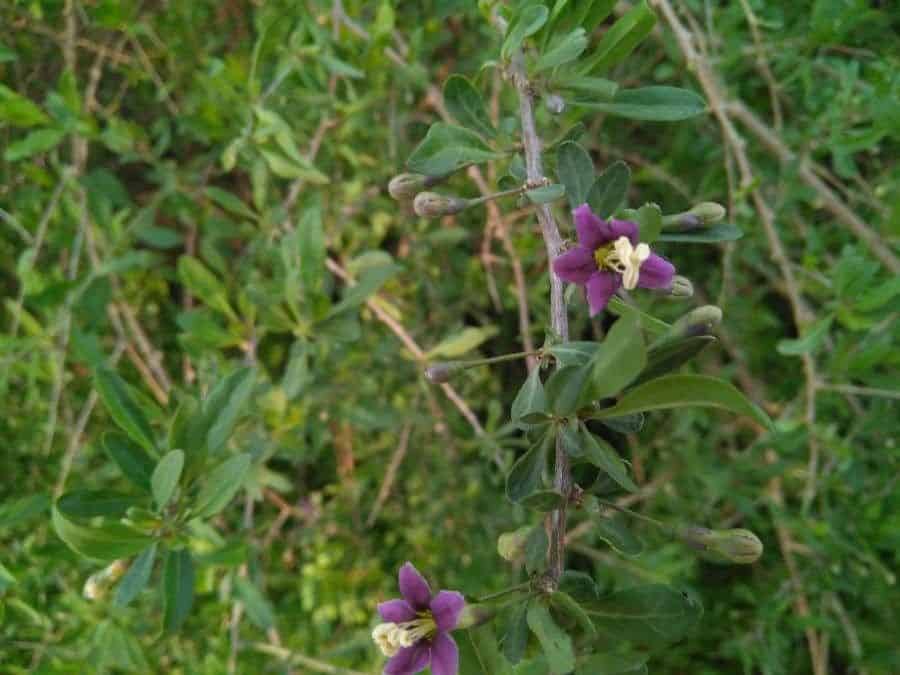
Taming the Thorny Beauty: Propagating Lycium europaeum for a Bountiful Hedge
The Lycium europaeum, more commonly known as the European boxthorn or spiny boxthorn, is a plant often underestimated. While some might view its thorny branches as a nuisance, savvy gardeners recognize its potential as a robust, fast-growing, and visually appealing hedge. If you’re looking to establish a natural barrier, attract pollinators, or simply add some unique charm to your garden, learning to propagate this resilient shrub is a rewarding endeavor.
Seeds: Embracing the Adventure of New Life
Propagating Lycium europaeum from seed offers a fulfilling journey from tiny seed to thriving shrub. Here’s how to do it:
- Seed Collection: Harvest ripe berries in the fall. These will be bright red when fully mature.
- Seed Extraction: Crush the berries and separate the seeds, rinsing off any remaining pulp.
- Stratification (Optional): While not strictly necessary, cold stratification can increase germination rates. Place the seeds in moist sand or vermiculite within a sealed bag and store in your refrigerator (around 4°C) for 4-6 weeks.
- Sowing: Sow the seeds in a well-draining seed starting mix, barely covering them.
- Light and Water: Provide bright, indirect light and keep the soil consistently moist but not waterlogged.
- Germination: Patience is key! Germination can take anywhere from a few weeks to a couple of months.
- Transplanting: Once the seedlings have a few sets of true leaves, they can be transplanted into larger containers or directly into the garden.
Cuttings: A Shortcut to Success
For those who prefer a quicker and potentially easier route, propagating Lycium europaeum from cuttings is a reliable method:
- Timing is Key: Take cuttings in the early morning during the spring or early summer from healthy, non-flowering branches.
- Cutting Selection: Choose stems that are approximately 6-8 inches long and have at least two sets of leaves.
- Prepare the Cuttings: Remove the lower leaves from the cutting, leaving a couple at the top. Wound the bottom inch of the cutting by making a small vertical cut or two.
- Rooting Hormone (Optional): Dipping the wounded end in rooting hormone can increase the success rate.
- Planting the Cuttings: Insert the prepared cuttings into a well-draining rooting medium like perlite or a mix of peat moss and sand.
- Provide Humidity: Cover the cuttings with a clear plastic bag or use a humidity dome to create a greenhouse-like environment.
- Monitoring Root Development: After 4-6 weeks, gently tug on the cuttings – resistance indicates root development.
- Transplanting: Once roots are established, the cuttings can be potted individually or planted in their final location.
A Note on Care and Considerations
- Location, Location, Location: Lycium europaeum thrives in full sun to partial shade and well-drained soil.
- Water Wisely: While drought-tolerant once established, regular watering during the first year will encourage strong root development.
- Pruning Power: Regular pruning helps maintain shape, encourages bushy growth, and keeps the plant looking its best.
- Thorny Situation: Remember, this beauty has thorns! Wear protective gloves when handling and prune carefully.
Propagating Lycium europaeum, whether from seed or cuttings, is a rewarding process that allows you to cultivate a hedge brimming with character and ecological benefits. So, why not embrace the challenge, unleash your inner gardener, and enjoy the beauty and resilience this remarkable plant has to offer?