
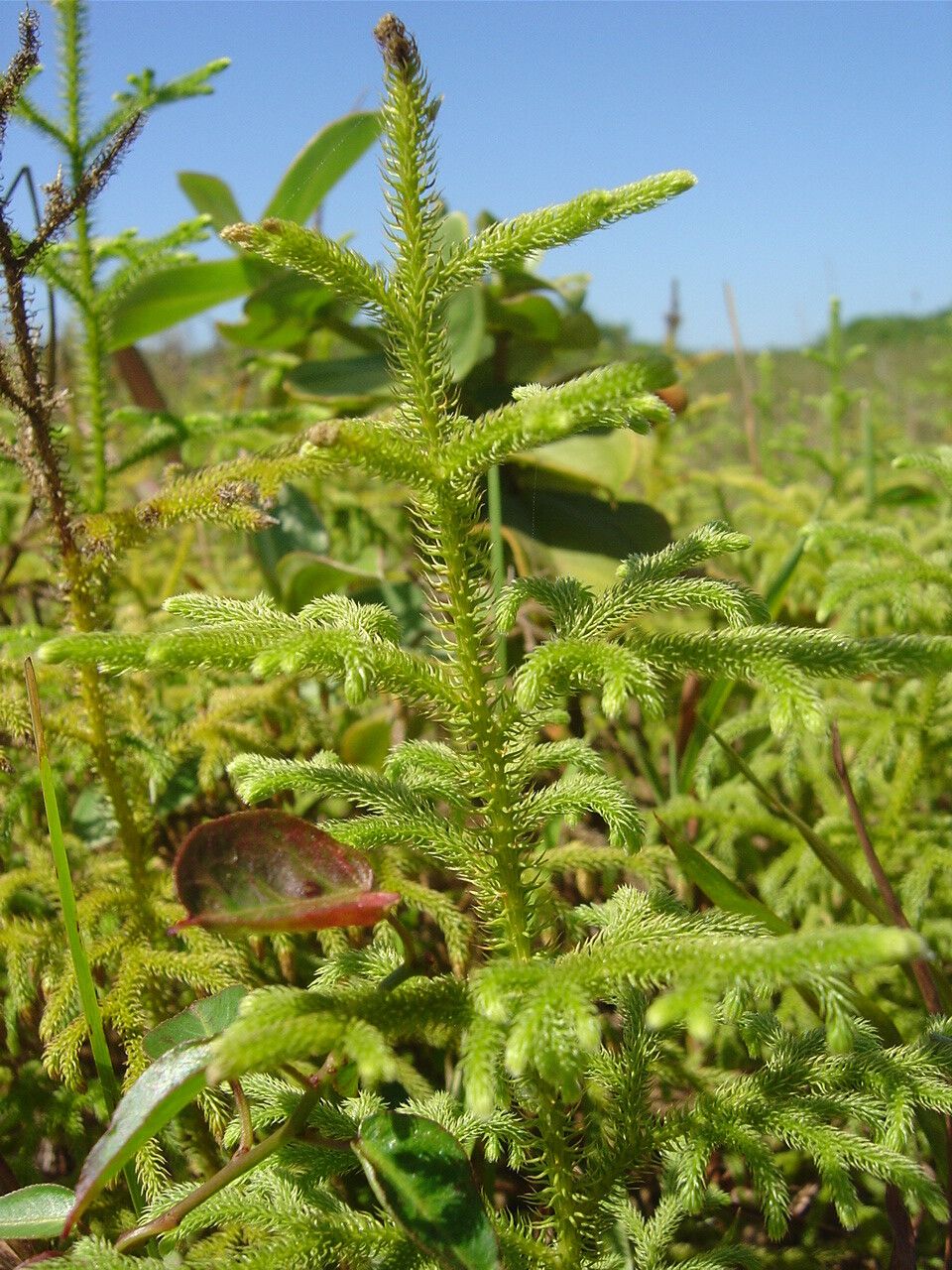
Unlocking the Secrets of Clubmoss Propagation: How to Grow Lycopodiella camporum
Have you fallen in love with the enchanting, moss-like beauty of Lycopodiella camporum? This stunning groundcover, often referred to as “field clubmoss,” brings a touch of prehistoric charm to any garden. But how do you cultivate this captivating plant? The answer lies in understanding the art of propagation.
While Lycopodiella camporum is known for its resilience and adaptability, propagating it requires a bit of knowledge and patience. Unlike many flowering plants, traditional methods like seeds or cuttings aren’t the most effective. This is because Lycopodiella camporum relies on spores for reproduction.
The Spore Story: A Journey of Patience and Precision
Spore propagation, a process that mimics the natural cycle of clubmoss, involves collecting these minuscule reproductive bodies and nurturing them into new plants. Here’s a step-by-step guide:
Harvesting the Spores: Look for mature sporophytes, which are the upright stalks that carry the spores. They typically appear in late summer or early fall. Gently collect the spores by cutting off the sporophytes and placing them in a paper bag. Allow them to dry until the spores readily fall off.
Sowing the Spores: Fill a tray with a sterile, well-draining seed-starting mix. Sprinkle the spores evenly over the surface and lightly mist them with a fine spray bottle. Do not bury the spores as they need light to germinate.
Creating the Right Environment: Cover the tray with a clear lid or plastic wrap to create a humid environment. Place the tray in a shady location with consistent temperatures between 68°F and 77°F (20°C and 25°C).
Patience is Key: Germination can take anywhere from 6 to 12 months, so be patient! Keep the soil moist, but not soggy, and ensure the tray receives adequate light. Do not over-water, as this can lead to fungal problems.
- Prepare for Transplanting: Once the seedlings develop a few true leaves, gently transplant them into individual pots filled with a well-draining potting mix. Continue providing moist, shady conditions.
Tips for Success
- Sterility: Ensure your tools and planting medium are sterilized to prevent fungal infections.
- Water Wisely: Maintain consistent humidity, but avoid over-watering. Use a fine spray bottle to mist rather than soaking the spores and seedlings.
- Patience and Persistence: Remember, spore propagation is a slow process. Be patient and persistent, and your efforts will be rewarded with healthy, thriving Lycopodiella camporum plants.
Beyond Spores: Exploring Alternative Methods
While spore propagation is the traditional and most successful method, there are other options to consider:
- Division: With careful handling, mature Lycopodiella camporum plants can be divided into smaller clumps, ensuring each section has a healthy root system.
- Tissue Culture: This advanced technique, typically used in research and commercial propagation, involves cultivating plant cells in a controlled environment to produce new plants.
Creating a Thriving Clubmoss Oasis
By mastering the art of propagation, you can create a flourishing patch of Lycopodiella camporum in your garden. This enchanting groundcover, with its prehistoric charm and low-maintenance nature, adds a unique touch to any landscape. So, embark on your propagation journey, be patient, and enjoy the rewards of cultivating this special plant.