
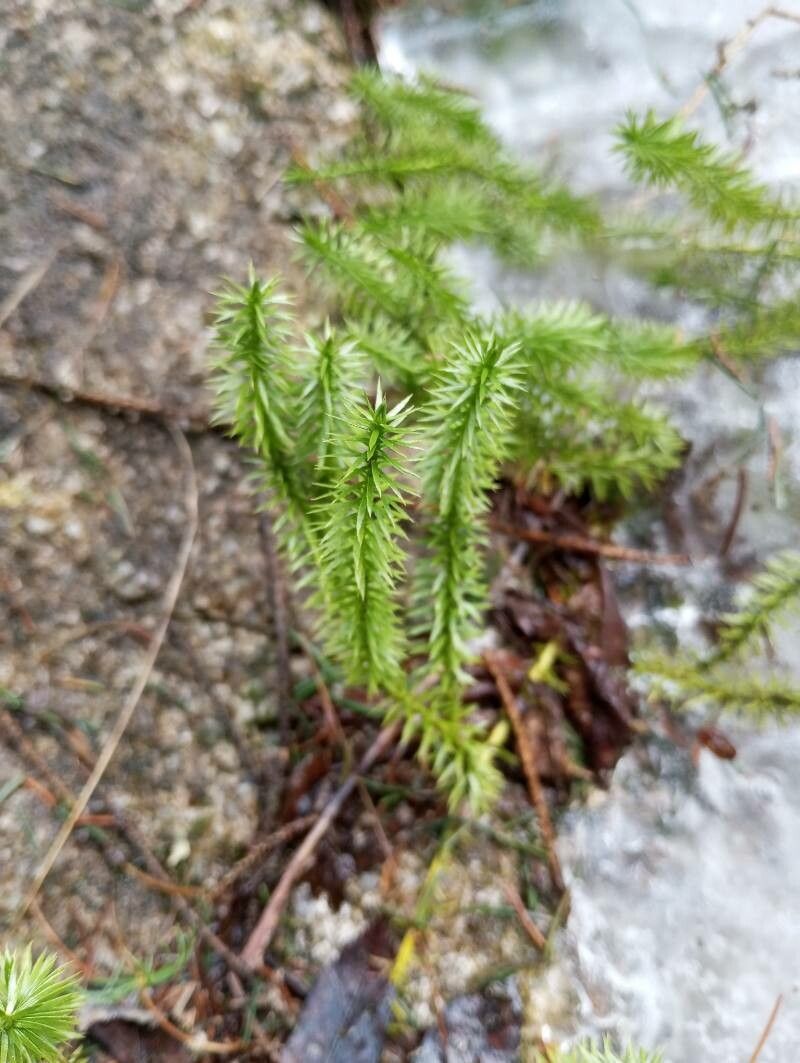
Unlocking the Ancient Secrets: Propagating Stiff Clubmoss (Lycopodium annotinum)
Stiff clubmoss ( Lycopodium annotinum) might not be the showiest plant in the forest, but this creeping evergreen with its spiky foliage holds a timeless allure. Like stepping back millions of years, cultivating this ancient wonder in your own home or garden is a rewarding experience, but it does require a touch of patience and understanding. Today, we’ll unravel the mysteries of propagating Lycopodium annotinum, giving you the tools to successfully nurture this fascinating plant.
Understanding the Nature of the Beast
Before diving into propagation, understanding the unique nature of Lycopodium annotinum is essential. Unlike most plants we propagate, clubmosses don’t rely solely on seeds for reproduction. Instead, they primarily spread through creeping rhizomes—underground stems that send out new shoots and roots. This method is effective for the plant in its natural habitat, allowing it to slowly colonize large areas, but presents a unique challenge for home propagation.
The Two Paths of Propagation: Spores and Divisions
For the intrepid plant enthusiast, there are two main approaches to propagating Lycopodium annotinum:
1. The Way of the Spore:
While challenging, propagating from spores offers a rewarding experience. Lycopodium annotinum produces spores in cone-like structures called strobili that form at the tips of mature stems. Here’s how to tackle spore propagation:
- Collection: Carefully collect mature strobili from a healthy plant in late summer or early fall. The spores should appear as a fine, yellowish powder.
- Sowing: Prepare a sterile, well-draining sowing medium (a mix of peat moss and perlite works well). Sprinkle the spores thinly over the surface, mist lightly, and enclose the container in a clear bag to maintain humidity.
- Patience is Key: Spore germination can take anywhere from several months to a year. Provide indirect light and maintain a consistent temperature (around 65-70°F). Once seedlings are large enough to handle, they can be carefully transplanted.
2. The Path of Division:
Dividing established plants is a simpler and quicker method for propagation. Here’s how:
- Timing is Everything: Spring, just before new growth emerges, is the ideal time for division.
- Divide and Conquer: Carefully dig up a healthy clump of Lycopodium annotinum. Using a sharp knife or shears, divide the rhizome into sections, ensuring each section has roots and shoots.
- Transplanting: Replant divisions into well-draining, acidic soil, keeping the top of the rhizome level with the soil surface. Water well and provide consistent moisture as the new divisions establish themselves.
Nurturing Your Lycopodium Annotinum
Whether you choose the meticulous journey of spore propagation or the quicker path of division, caring for your Lycopodium annotinum remains relatively consistent:
- Light: Provide bright, indirect light. Direct sunlight can scorch the foliage.
- Water: Consistent moisture is crucial. Water regularly, ensuring good drainage to prevent root rot.
- Humidity: As a woodland plant, Lycopodium annotinum appreciates higher humidity. Misting regularly or placing the pot on a humidity tray can help.
- Soil: Well-draining, slightly acidic soil is ideal. A mix of peat moss, perlite, and bark chips mimics their natural habitat.
Propagating Lycopodium annotinum might require a bit more attention than your average houseplant, but the reward of successfully cultivating this ancient wonder is truly something special. So, channel your inner plant whisperer, embrace the challenge, and experience the joy of bringing a touch of prehistory into your own home!