
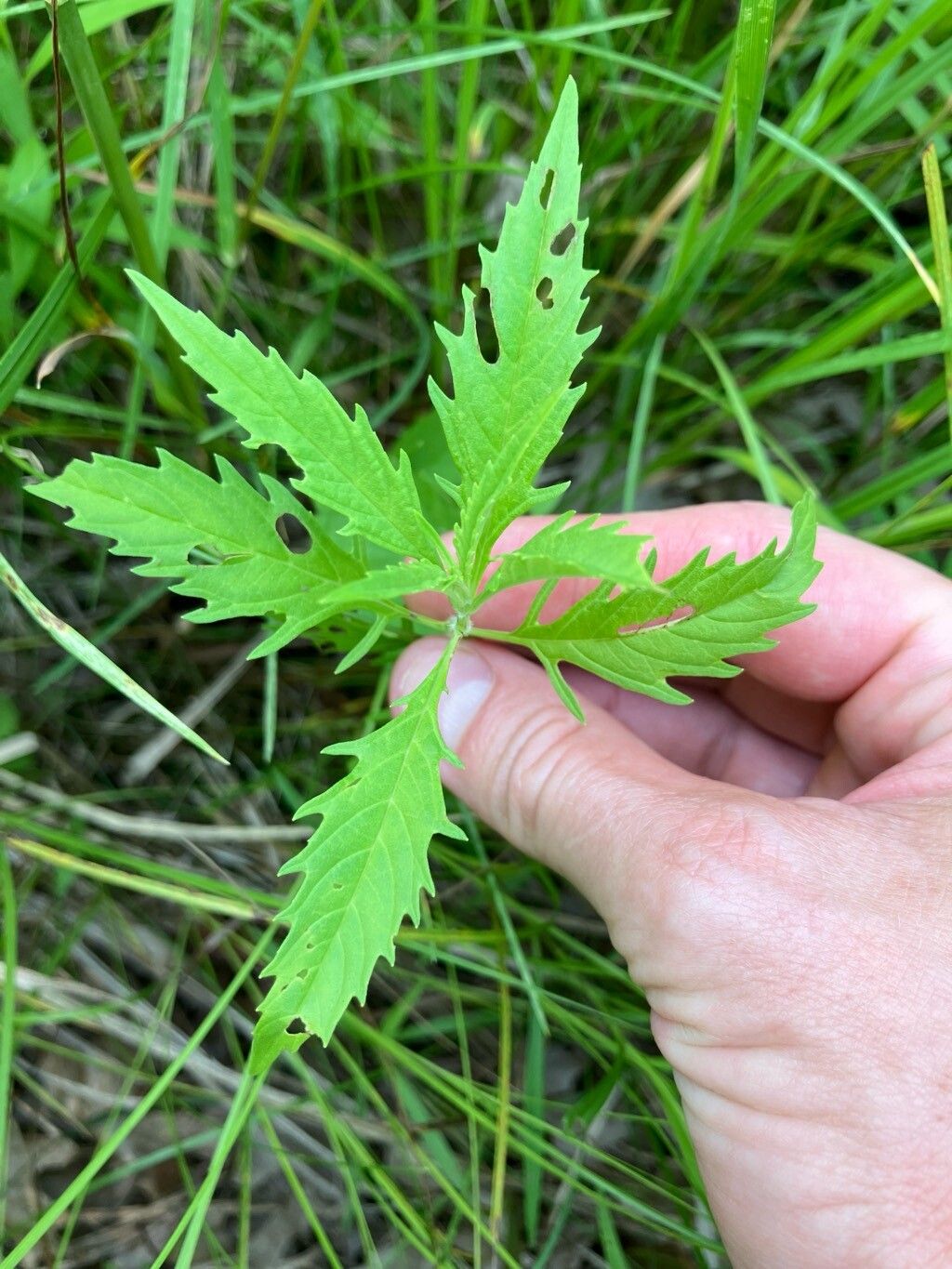
Propagating Lycopus americanus: The Challenges and Rewards of Cultivating Bugleweed
Introduction
Lycopus americanus, commonly known as American bugleweed, is a charming native perennial found in moist, shady areas across North America. Its square stems, oppositely arranged lance-shaped leaves, and inconspicuous white flowers lend a delicate, wild beauty to gardens, particularly those designed to attract beneficial insects and pollinators. While not as widely cultivated as some other ornamental plants, its adaptability and ease of propagation through certain methods make it a rewarding choice for the dedicated gardener. Its popularity stems from its ability to thrive in damp conditions, filling often-difficult-to-plant areas with lush greenery. However, its propagation presents some unique challenges.
Seed Germination
Currently, there are no known reliable methods for seed germination propagation of Lycopus americanus. While seeds may be produced, germination rates are reportedly extremely low, even under ideal conditions. Further research into specific stratification techniques or germination stimulants might be necessary to unlock the potential of seed propagation.
Cuttings
Cuttings offer a more reliable method for propagating Lycopus americanus.
Challenges: Success with stem cuttings depends on proper timing and technique. The ideal time is during the spring or early summer when the plant is actively growing. Taking cuttings from soft, new growth significantly increases the chances of root development.
Practical Tips: Take 4-6 inch cuttings, removing the lower leaves to prevent rot. Dip the cut ends in rooting hormone to stimulate root growth. Plant the cuttings in a moist, well-draining medium, such as a peat and perlite mix, ensuring that they are kept consistently moist but not waterlogged. High humidity can also aid in successful rooting; covering the cuttings with a clear plastic bag or dome can create a humid microclimate.
Rewards: Cuttings offer a quicker path to established plants compared to other methods and accurately replicate the parent plant’s genetic makeup. This is particularly useful for preserving desirable traits in selected specimens.
Division
Division is arguably the easiest and most reliable method for propagating American bugleweed.
Challenges: Division is best done in spring or early autumn when the plant is actively growing or beginning to go dormant. Care must be taken to avoid damaging the rhizomes (underground stems), which can be quite fragile.
Practical Tips: Gently lift the entire plant from the ground, carefully separating the clump into smaller sections, each with its own roots and several shoots. Replant the divisions immediately in moist, fertile soil, spacing them accordingly.
Rewards: Division provides a rapid increase in the number of plants and is often the simplest technique for home gardeners. It’s a less technically demanding method than cuttings or tissue culture.
Tissue Culture
Tissue culture propagation of Lycopus americanus is not commonly practiced and lacks readily available protocols in the published literature.
Challenges: Establishing a tissue culture protocol for this species would require significant experimentation, likely involving considerable investment in specialized equipment and expertise. Sterility is crucial to prevent contamination, and optimizing the nutrient media and growth conditions to induce shoot proliferation and rooting would be a considerable undertaking.
Practical Tips: While the specific steps are not readily available, success would involve sterile techniques, the use of a suitable plant growth regulator mix in a defined culture medium, and optimization of light, temperature, and humidity.
Rewards: Tissue culture potentially allows for mass propagation of genetically identical plants, which is valuable for commercial cultivation or conservation efforts. However, the challenges involved make this approach prohibitive for most home gardeners.
Conclusion
Propagating Lycopus americanus presents a unique blend of challenges and rewards. While seed germination remains elusive, cuttings and, most reliably, division offer accessible, effective pathways for increasing the number of these lovely plants. Tissue culture, though potentially rewarding, is currently beyond the reach of most home cultivators. The satisfaction of successfully propagating this native species, especially overcoming the challenges involved, is a testament to the gardener’s dedication and an enriching experience that connects one to the intricacies of the natural world. For those seeking to introduce this resilient and attractive plant to their garden, division is the recommended starting point. With patience and attention to detail, the rewards of a flourishing patch of American bugleweed are well worth the effort.