
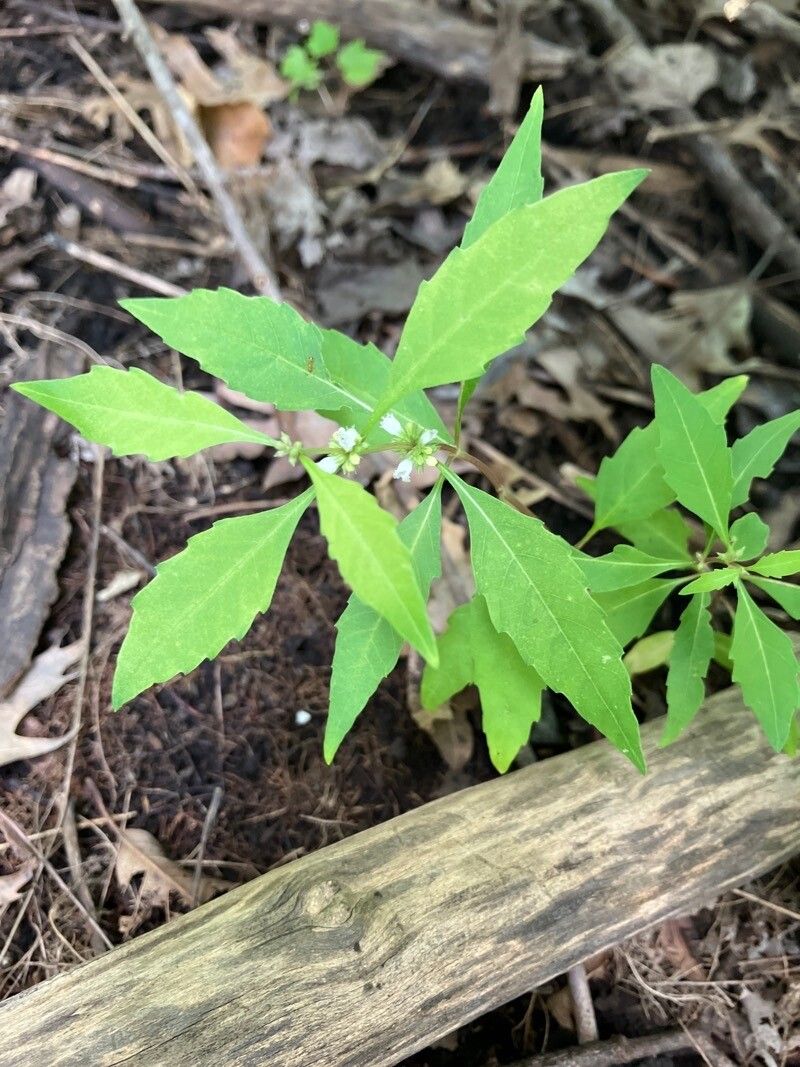
From One to Many: Propagating the Versatile Lycopus rubellus
The world of gardening is filled with endless possibilities, and one of the most exciting aspects is the ability to multiply your favorite plants. That’s where propagation comes in. It’s a rewarding process that lets you create new plants from cuttings, divisions, or even seeds. Today, we’re focusing on a fascinating plant with unique qualities – Lycopus rubellus, also known as “Water Horehound” or “Bugleweed.” While it might not have the flashiest blooms, this adaptable and hardy plant offers a wealth of benefits, including medicinal uses and a crucial role in supporting pollinators.
Let’s explore the different ways to propagate Lycopus rubellus:
1. Division: This method is probably the easiest and most effective way to multiply your Lycopus rubellus plants. Simply divide a mature clump in early spring or fall. Here’s how:
Prepare the plant and location: Dig up the clump carefully, avoiding damage to the roots. Choose your new location – Lycopus rubellus prefers moist, shady spots.
Divide the clump: Using a sharp knife or shovel, separate the clump into smaller sections, each with healthy roots and shoots. Ensure each division has a good portion of roots.
- Plant the divisions: Dig individual holes for each division, making sure they’re deep enough to accommodate the roots. Place the divisions in the holes and backfill with soil, gently firming it around the roots. Water thoroughly.
2. Stem Cuttings: You can successfully propagate Lycopus rubellus from stem cuttings taken in the early summer. Here’s how:
Prepare the cuttings: Cut 4-6 inch long stems from healthy, non-flowering growth. Remove any leaves from the bottom two inches of the stem.
Root the cuttings: Dip the cut end of the stem in rooting hormone for better success, and plant them in a pot filled with a well-draining rooting mix. Keep the cuttings moist and in a warm, shaded spot.
- Transplant: Once the cuttings have developed a good root system (usually within a few weeks), you can transplant them into their permanent location.
3. Seeds: While less common, Lycopus rubellus can also be propagated from seeds.
Collect the seeds: The plant produces small, brown seeds within its seed capsules. Allow the seeds to mature and dry before harvesting.
- Sow the seeds: Sow the seeds directly into the soil in autumn or spring. They require a moist environment to germinate.
Beyond Multiplication:
Lycopus rubellus offers many benefits beyond its aesthetic appeal. Its medicinal qualities have been recognized for centuries, particularly for its potential to soothe sore throats and reduce inflammation. It’s also a valuable plant for attracting pollinators like bees and butterflies to your garden, contributing to the ecosystem’s wellbeing.
Tips for Success:
- Timing is crucial: Propagation is most successful when performed during the plant’s active growth periods.
- Maintaining moisture: Keep the soil consistently moist, especially during the rooting process.
- Choose the right location: Lycopus rubellus thrives in moist, shady spots.
With a little effort and patience, you can easily multiply your Lycopus rubellus plants and enjoy its numerous benefits. So, why not give it a try? The satisfaction of nurturing new life and the beauty of this versatile plant make it a truly rewarding experience.