
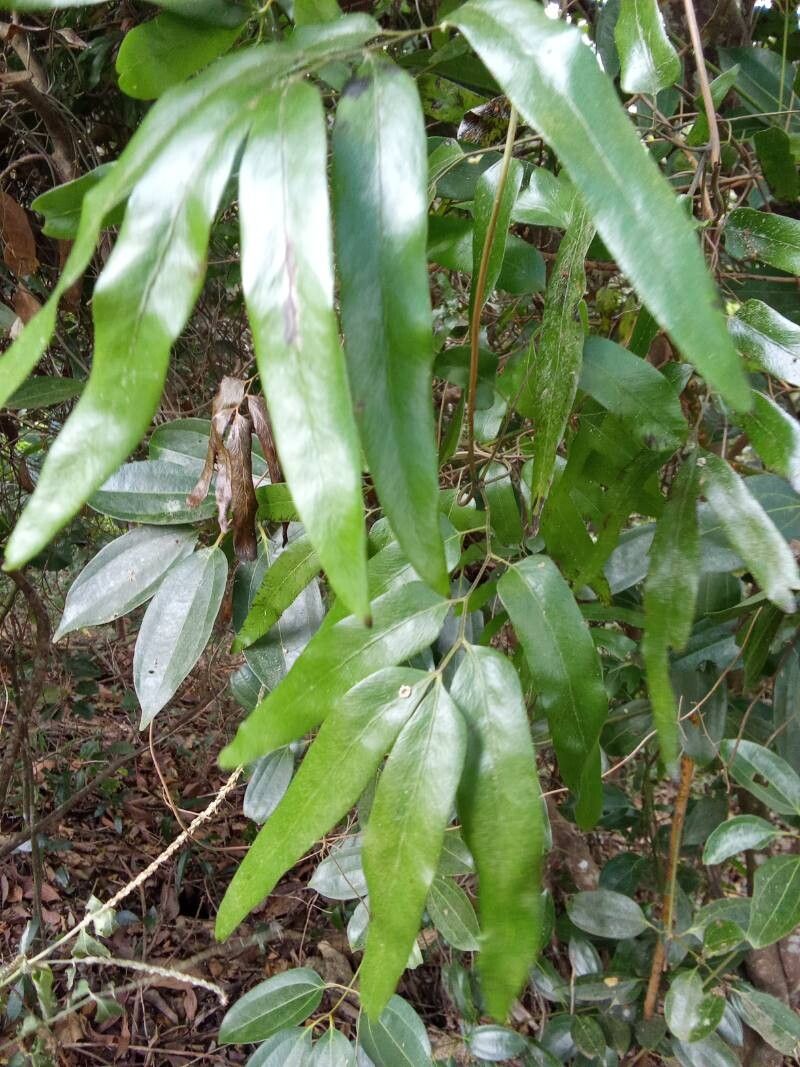
Beware the Beauty: Propagating Old World Climbing Fern (Lygodium lanceolatum) – A Cautionary Tale
The Old World Climbing Fern (Lygodium lanceolatum), with its delicate fronds and climbing tendrils, might seem like a charming addition to your garden. But looks can be deceiving! This plant, while beautiful, is also a highly invasive species known for its aggressive growth and ability to quickly dominate landscapes.
This blog post isn’t your typical propagation guide. Instead, it highlights the dangers of propagating Lygodium lanceolatum and emphasizes the importance of controlling its spread.
Why is Propagation a Problem?
- Rapid Growth: Lygodium lanceolatum spreads rapidly thanks to its spores and its ability to root from any part of its stem that touches the ground.
- Ecological Disruption: This invasive fern outcompetes native plants, disrupting ecosystems and impacting biodiversity.
- Economic Impacts: Controlling infestations can be costly and time-consuming, impacting agriculture, forestry, and recreational areas.
Methods of Propagation:
While we strongly advise against purposely propagating this plant, it’s important to understand how it spreads:
- Spores: Lygodium lanceolatum releases thousands of tiny spores that can travel long distances by wind.
- Vegetative Growth: Any piece of stem that comes into contact with the soil can develop roots and create a new plant.
Consequences of Unintentional Propagation:
Even seemingly harmless actions like gardening or landscaping can unintentionally spread the fern:
- Transportation of infested soil: Moving soil containing Lygodium lanceolatum spores can spread the plant to new areas.
- Sharing plants with others: Giving away cuttings or dividing existing plants can inadvertently introduce the invasive fern to a new location.
- Improper disposal of plant material: Dumping infested plant debris can lead to the establishment of new populations.
What You Can Do:
- Avoid purchasing or planting Lygodium lanceolatum: Be aware of this invasive plant and choose alternatives for your garden.
- Report sightings: If you see Lygodium lanceolatum, report it to your local authorities.
- Control existing infestations: If you have an infestation on your property, consult with a professional to develop a control plan.
- Educate others: Spread awareness about the dangers of Lygodium lanceolatum and encourage responsible gardening practices.
In Conclusion:
While Lygodium lanceolatum might seem attractive, its invasive nature makes it a serious threat to our ecosystems. By understanding the risks associated with its propagation and taking proactive steps to control its spread, we can help preserve our natural areas and protect the biodiversity they support. Always remember: when it comes to invasive species, prevention is the best medicine.