
Propagating the Catalina Ironwood: A Gardener’s Challenge
Introduction:
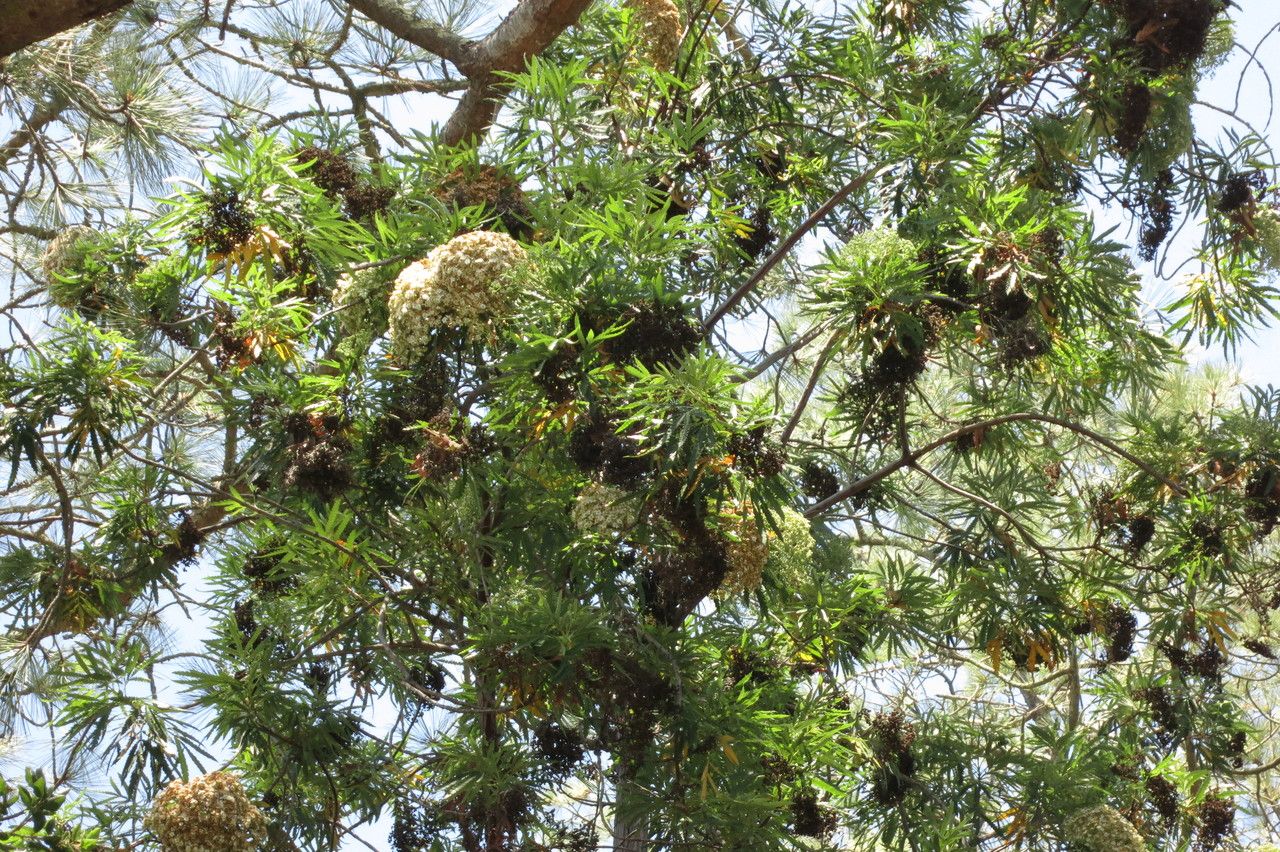
Lyonothamnus floribundus, commonly known as Catalina ironwood, is a remarkable evergreen tree endemic to the islands of Santa Catalina, San Clemente, and Santa Barbara off the coast of Southern California. Its striking appearance, with leathery, dark-green foliage and creamy white flower clusters, makes it a highly sought-after plant among gardeners appreciative of its unique beauty and drought tolerance. However, its propagation poses significant challenges, making successful cultivation a rewarding endeavor for dedicated plant enthusiasts. Its slow growth and limited seed production further contribute to its rarity.
Seed Germination:
Currently, there are no known reliable methods for seed germination propagation of Lyonothamnus floribundus. While seeds are produced, germination rates are extremely low, likely due to a combination of factors including hard seed coats and specific environmental requirements not yet fully understood. Research into specific germination needs, including potential stratification techniques and hormonal treatments, is needed.
Cuttings:
Cuttings represent a more promising approach compared to seed propagation. However, challenges remain.
- Challenges: Rooting success with cuttings is quite low. The lignified nature of the stems necessitates the use of rooting hormones and specialized techniques. Environmental conditions must also be meticulously controlled to maintain high humidity and prevent fungal infections.
- Practical Tips: Semi-hardwood cuttings taken in late summer or early autumn, treated with a rooting hormone (e.g., IBA), and placed in a propagator with bottom heat and high humidity offer the best chance of success. The use of a soilless rooting medium is also advised. Careful monitoring for fungal growth is crucial.
- Rewards: Successful rooting from cuttings allows for the clonal replication of desirable traits, ensuring the propagation of specific phenotypes. Compared to seed propagation, this method offers quicker results and a higher chance of success for individual plants.
Division:
Division is not a viable propagation method for Lyonothamnus floribundus. This tree develops a deep, robust root system making division impractical and likely fatal to the parent plant.
Tissue Culture:
Tissue culture offers a potentially more reliable method for mass propagation.
- Challenges: Establishing sterile cultures from Lyonothamnus floribundus cuttings can be difficult, requiring specialized laboratory equipment and expertise in plant tissue culture techniques. Optimizing media composition and growth regulators to achieve rapid multiplication and root formation may necessitate further research and experimentation.
- Practical Tips: The use of aseptic techniques is paramount to prevent contamination. Appropriate media containing plant growth regulators known to promote shoot proliferation and root development are crucial for success.
- Rewards: Tissue culture allows for the rapid production of large numbers of genetically identical plants, overcoming the limitations of other propagation methods. This method could be invaluable for conservation efforts or mass production for commercial purposes.
Conclusion:
Propagating Lyonothamnus floribundus presents a significant horticultural challenge. While seed germination is currently unreliable, cuttings provide a feasible, albeit difficult, method for propagation. Division is not practical, and tissue culture, while potentially the most efficient method for large-scale propagation, requires specialized expertise and equipment. The rewards, however, are commensurate with the effort: the successful cultivation of this rare and beautiful tree offers a profound sense of accomplishment. For aspiring propagators, patience, persistence, and meticulous attention to detail are key. Though challenging, the unique satisfaction of successfully propagating this remarkable plant, contributing to its survival, is truly rewarding. Start with cuttings, employing good propagation techniques and remaining patient, and you may just find success in cultivating this stunning island jewel.