
From Swamp to Garden: Propagating the Majestic Skunk Cabbage
The Skunk Cabbage, or Lysichiton camtschatcensis, is a striking plant that commands attention. Its vibrant yellow, hooded spathes (modified leaves) emerge early in spring, seemingly defying the chilly air with their bold presence. But beyond its beauty lies a fascinating story of resilience and a unique ability to thrive in moist, even swampy environments.
For those captivated by this plant’s beauty and curious about expanding its reach, propagation is a viable option. While it may not be the simplest plant to cultivate, understanding its unique requirements can lead to successful results.
The Art of Skunk Cabbage Propagation:
Skunk Cabbage propagation primarily involves two methods: division and seed sowing.
Division:
- Timing: The ideal time for dividing Skunk Cabbage is in late summer or early fall, after flowering has finished.
- Technique: Carefully dig up the mature clump, separating the roots into smaller sections, each with healthy roots and shoots.
- Planting: Replant the divisions in a location that mimics their natural habitat – moist, shady, and well-drained soil.
Seed Sowing:
- Timing: Skunk Cabbage seeds can germinate in the spring, though patience is key as germination can take several months.
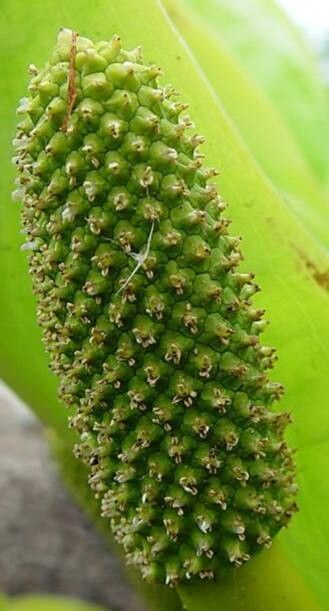
- Collecting Seeds: Collect ripe seed pods in the fall from mature plants. If the pods have turned from green to brown, they are most likely ready.
- Preparation: Remove the seeds from the pods. Prior to sowing, sow the seeds in a cold frame or pot outside, where they can experience a cold stratification period.
- Stratification: This cold treatment mimics the natural conditions the seeds would experience in their native habitat, promoting germination.
- Sowing: Once the seeds have been properly stratified, sow them in a pot or directly in the ground, ensuring the soil remains moist.
Essential Considerations for Successful Propagation:
- Habitat: Skunk Cabbage thrives in moist, shady, and well-drained environments. Avoid dry, sunny locations, as this can stress the plants and impact growth.
- Soil: It prefers rich, organic soils and acidic conditions.
- Patience: Propagation, especially by seed, requires patience. Germination can be slow, and it may take several years for the plant to reach maturity and produce its distinctive spathes.
- Wildlife Benefits: Skunk Cabbage plays a valuable role in its ecosystem, providing food and shelter for various wildlife.
A Word of Caution:
While the Skunk Cabbage is a stunning addition to a garden, it’s crucial to be aware of its potential for invasiveness. In some regions, its vigorous growth can outcompete native species, potentially disrupting local ecosystems.
Conclusion:
Propagation of Skunk Cabbage is a rewarding endeavor for those seeking to add a touch of the wild to their gardens. While it may require some patience and research, the unique beauty of the plant and the satisfaction of nurturing its growth makes the effort worthwhile.
By understanding its needs, employing proper techniques, and being mindful of its potential for invasiveness, gardeners can enjoy the captivating presence of the Skunk Cabbage in their own landscapes.