
Spreading the Sunshine: Easy Ways to Propagate Scarlet Pimpernel
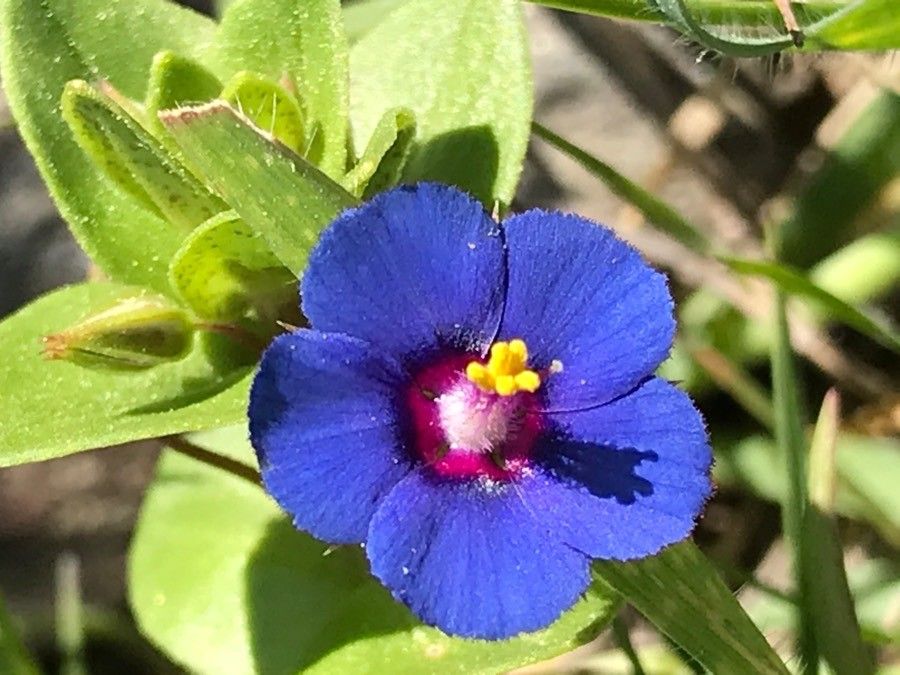
Scarlet pimpernel (Lysimachia arvensis), with its delicate, star-shaped flowers that close in the afternoon, is a charming addition to any garden. This low-growing annual, also known as the “Shepherd’s Weatherglass” due to its sensitivity to sunlight, isn’t just pretty—it’s also incredibly easy to propagate. Whether you’re a seasoned gardener or just starting out, multiplying your scarlet pimpernel is a rewarding experience that yields beautiful results. Let’s explore the two most effective methods:
1. Seed Propagation: A Shower of Starry Blooms
Scarlet pimpernel readily self-seeds, meaning it drops seeds that germinate and grow new plants the following year. But for a more controlled approach, follow these steps:
- Seed Collection: As the flowers fade, you’ll notice small, round seed pods forming. Once these pods turn brown and brittle, gently collect them and store them in a cool, dry place.
- Sowing Time: You can sow scarlet pimpernel seeds directly outdoors in early spring or start them indoors about 6-8 weeks before the last expected frost.
- Sowing Indoors: Use a seed-starting mix and sprinkle the seeds on the surface, lightly pressing them down. Mist with water and cover the tray with a plastic dome to maintain humidity. Place the tray in a bright location, but out of direct sunlight.
- Sowing Outdoors: Choose a site with well-drained soil and full sun to partial shade. Scatter the seeds on the prepared soil and lightly rake them in. Water gently.
- Thinning: Once the seedlings emerge and have developed a few sets of true leaves, thin them out to about 6-8 inches apart. This allows for proper air circulation and prevents overcrowding.
2. Cuttings: Cloning Your Favorite Blooms
Taking cuttings is another reliable method for propagating scarlet pimpernel, especially if you want to ensure the new plants inherit the exact characteristics of a particular plant. Here’s how:
- Timing is Key: The ideal time to take cuttings is in late spring or early summer when the plant is actively growing.
- Taking the Cuttings: Using sharp, clean shears, take 3-4 inch cuttings from the tip of a healthy stem. Make the cut just below a leaf node, where the leaf attaches to the stem. Remove the lower leaves, leaving only 2-3 pairs at the top.
- Rooting Hormone (Optional): While not essential, dipping the cut end in rooting hormone can encourage faster and stronger root development.
- Planting the Cuttings: Choose a well-draining potting mix or create your own using equal parts peat moss, perlite, and vermiculite. Make a small hole with your finger or a pencil and gently insert the cutting, burying the node where the leaves were removed. Water thoroughly.
- Creating a Humid Environment: Cover the pot with a clear plastic bag or a humidity dome to trap moisture and encourage rooting. Keep the cuttings in a bright location but away from direct sunlight.
- Transplanting: After about 4-6 weeks, gently tug on the cuttings. If you feel resistance, roots have formed! Remove the plastic covering and allow the plants to acclimate for a few days before transplanting them into individual pots or your garden.
Scarlet Pimpernel – A Blooming Success Story Awaits!
Propagating scarlet pimpernel is a truly rewarding experience. Whether you choose to scatter seeds or try your hand at taking cuttings, you’ll be rewarded with an abundance of these charming little flowers, brightening your garden with their cheerful presence. So go ahead, spread the sunshine – your garden (and maybe even your neighbors) will thank you!