
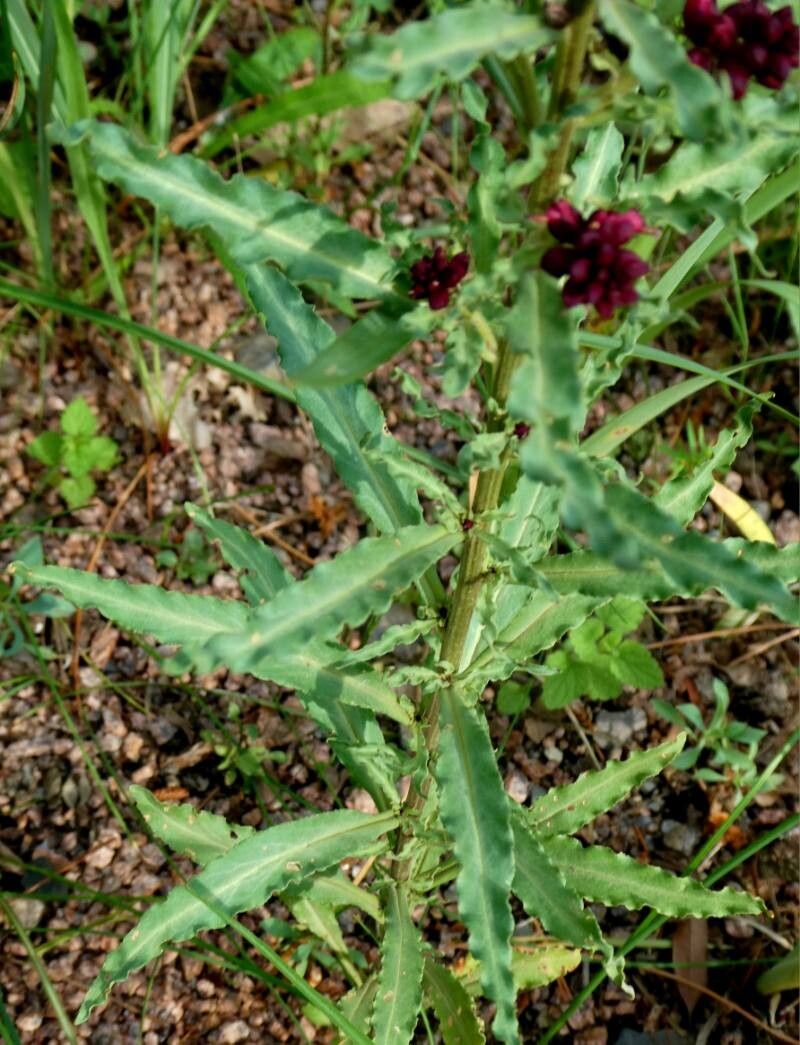
Purple Loosestrife’s Secret: How to Propagate Lysimachia atropurpurea for a Stunning Garden
Lysimachia atropurpurea, commonly known as Purple Loosestrife, is a captivating perennial that boasts striking deep purple foliage and a vibrant display of bright yellow blooms. If you’re looking to add a touch of dramatic color to your garden, this plant is a must-have. But the best part? It’s incredibly easy to propagate, making it a budget-friendly option for expanding your garden’s beauty.
The Power of Propagation
Propagation is the magic trick of creating new plants from existing ones. It’s a fantastic way to save money, expand your garden without the hassle of buying more plants, and share your beloved garden treasures with friends. For Lysimachia atropurpurea, two main methods of propagation offer the best results:
1. Division
This method is best done in spring or fall when the plant is actively growing. Here’s how:
- Choose a healthy plant: Look for a well-established Lysimachia atropurpurea with multiple stems.
- Dig around the base: Gently loosen the soil around the base of the plant, exposing the roots.
- Separate the plant: Using a sharp knife or garden trowel, carefully divide the plant into sections, ensuring each section has healthy roots and growth points.
- Replant: Plant the divisions in individual pots or directly into the garden, ensuring good drainage and adequate sunlight.
- Water generously: Keep the soil consistently moist until the new plants establish themselves.
2. Stem Cuttings
This method works best in late spring or early summer when the plant is actively growing. Here’s the breakdown:
- Take cuttings: Select healthy, non-flowering stems and make clean cuts with a sharp knife or scissors just below a leaf node (the point where a leaf grows from the stem). Remove the lower leaves from the cutting to expose the stem.
- Dip in rooting hormone: This is optional, but using a rooting hormone can increase the chances of success.
- Plant the cuttings: Push the cuttings into a well-draining potting mix, ensuring that the nodes are covered.
- Create a mini-greenhouse: Place the cuttings in a plastic bag or cover the pot with a clear dome, which will help retain moisture and warmth.
- Maintain humidity and light: Keep the cuttings in a bright, indirect light location and maintain consistent moisture. They should root within 2-4 weeks.
- Replant: Once the cuttings develop roots, they can be transplanted into individual pots or directly into the garden.
Tips for Success
- Timing is key: The success of your propagation efforts depends on selecting the right season and time of day. Early morning or evening, when temperatures are cooler, ensures that your cuttings are less stressed.
- Sharp tools: Using sharp blades prevents crushing the plant tissue, giving the cuttings a better chance to root.
- Clean and sterile: Always use sterilized tools to prevent the spread of disease.
- Patience and consistency: Propagating plants requires patience and consistency. Water your cuttings regularly and maintain the appropriate environment for their growth.
With a little care and attention, propagating Lysimachia atropurpurea can be a rewarding experience. Enjoy the satisfaction of creating new plants that add beauty to your garden while enhancing its vibrant ecosystem. Happy propagating!