
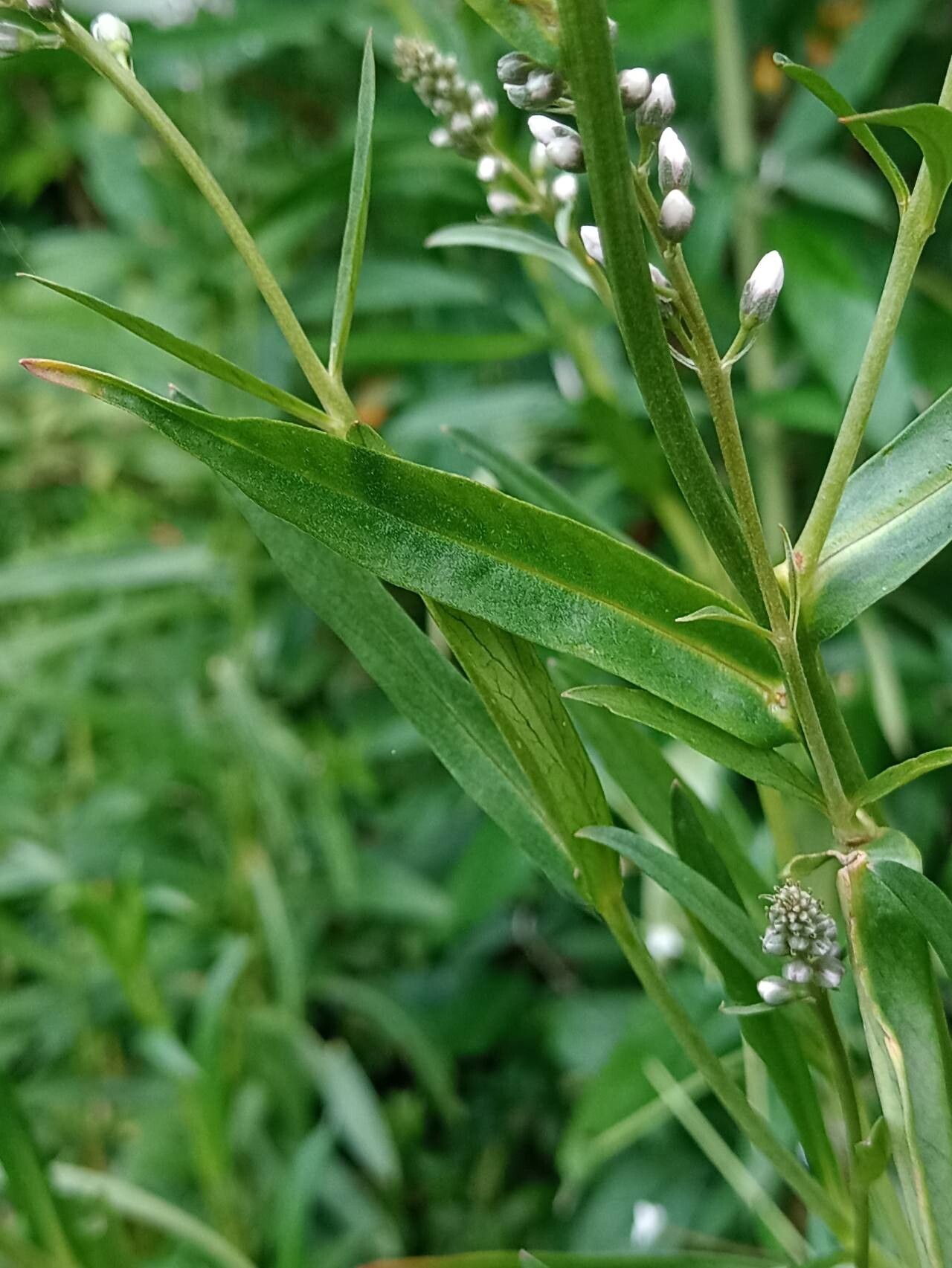
Taming the Ethereal Beauty: Propagating Lysimachia ephemerum
Lysimachia ephemerum, more poetically known as the willow-leaved loosestrife, is a sight to behold. This elegant perennial boasts graceful, willow-like foliage topped with striking, wand-like flower spikes in a delicate shade of white, often tinged with pink. While “ephemerum” might hint at fleeting beauty, this hardy plant comes back year after year, ready to grace your garden with its architectural charm.
But what if you want to multiply that charm? Propagating Lysimachia ephemerum is a rewarding endeavor, allowing you to fill your garden with these elegant plants or share their beauty with friends. Let’s explore the most effective methods:
1. Division – The Simplicity of Sharing
For established clumps, division is the easiest and most successful method.
- Timing is Key: Early spring or fall, when the plant is dormant or just starting to show new growth, is ideal for division.
- Gentle Hands: Carefully dig around the clump, ensuring you get a good root ball. Divide the clump into smaller sections, each with a good amount of roots and shoots.
- Replant and Water: Replant the divisions immediately in well-prepared soil, ensuring adequate spacing (around 18 inches apart). Water well and keep the soil consistently moist until the divisions are established.
2. Seed Starting – A Test of Patience
Propagating Lysimachia ephemerum from seed takes a bit more patience but offers a rewarding journey for gardening enthusiasts.
- Collecting Seeds: As the flowers fade, small seed capsules form. Collect these capsules when they turn brown and dry and store them in a cool, dry place.
- Sowing the Seed: In early spring, surface sow the seeds in a seed tray filled with well-draining seed starting mix. Lightly press the seeds onto the surface without burying them.
- Light and Moisture: Place the tray in a bright location, out of direct sunlight, and mist the soil regularly, keeping it consistently moist.
- Transplant Time: Once the seedlings are large enough to handle (about 2-3 inches tall), transplant them into individual pots and gradually acclimate them to outdoor conditions before planting them in the garden.
3. Cuttings – A Quicker Multiplication Method
Taking basal cuttings is another successful method for propagating this lovely plant.
- Early Bird Catches the Cutting: In spring, as new growth emerges, take basal cuttings. These are cuttings taken from the base of the plant, where the new shoots emerge from the crown.
- Making the Cut: Using a clean, sharp knife or pruners, cut a 3-4 inch section of the new growth. Remove the lower leaves, leaving only a few at the top.
- Rooting Hormone (Optional): While not essential, dipping the cut end in rooting hormone can encourage faster root development.
- Potting Up: Insert the cuttings into a pot filled with a well-draining potting mix. Keep the soil moist and provide indirect sunlight.
- Transplanting: Once the cuttings have developed a good root system, you can transplant them into larger pots or directly into your garden.
No matter which method you choose, remember that patience and care are key to successful propagation. With a little effort, you can soon have a garden filled with the ethereal beauty of Lysimachia ephemerum.