
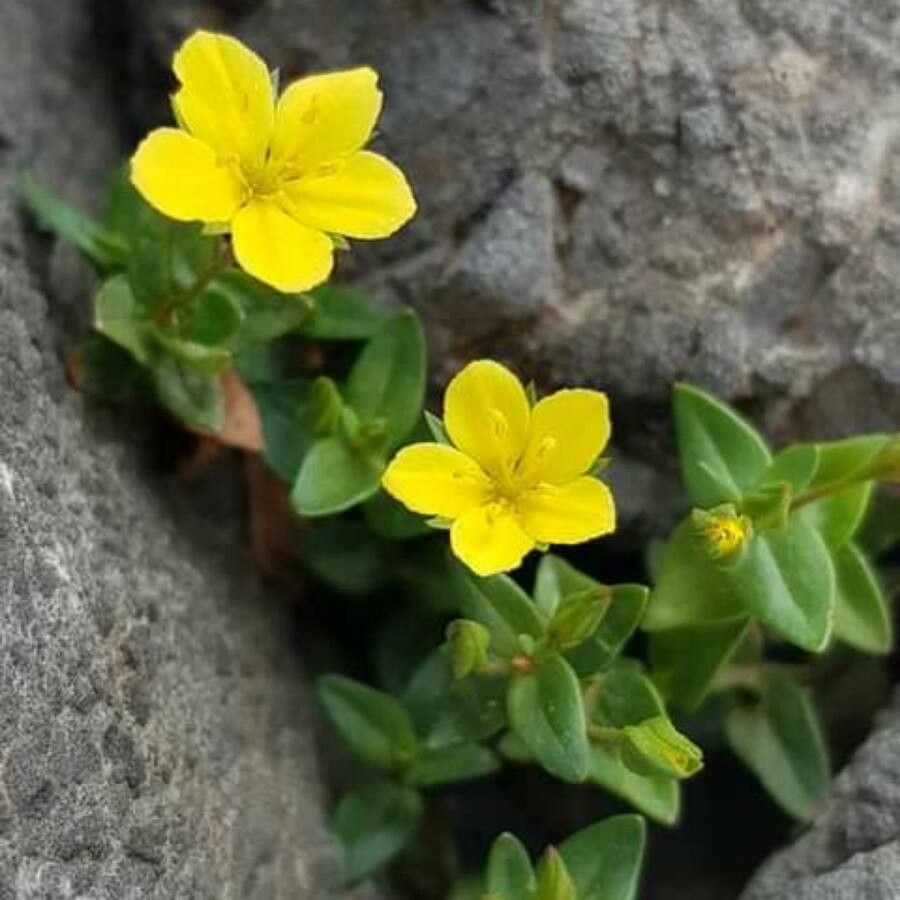
Propagating Lysimachia serpyllifolia: A Gardener’s Guide to the Thyme-Leaved Loosestrife
Lysimachia serpyllifolia, commonly known as Thyme-leaved Loosestrife, is a charming, low-growing perennial prized for its delicate, thyme-like foliage and profusion of small, bright yellow flowers. Its creeping habit makes it ideal for ground cover, rock gardens, and spilling over walls. While relatively easy to maintain, propagation can present some unique challenges, making success all the more rewarding. Its popularity among gardeners stems from its hardiness, adaptability, and ability to thrive in less-than-ideal conditions. The relatively small size of its plantlets and its relatively low seed production influence its propagation methods.
Seed Germination:
Currently, there are no known reliable methods for seed germination propagation of Lysimachia serpyllifolia. While the plant does produce seeds, their germination rate is extremely low, and successful germination under controlled conditions has not been consistently documented. This makes seed propagation impractical for most gardeners.
Cuttings:
Cuttings offer a more viable method for propagating Lysimachia serpyllifolia.
Challenges: Success depends on timing and technique. Taking cuttings too early or late in the season can reduce the chances of rooting. Proper humidity and temperature control are also crucial.
Practical Tips: Take semi-hardwood cuttings in late spring or early summer. Use sharp, clean tools to avoid damaging the plant. Dip the cuttings in rooting hormone before planting in a well-draining potting mix. Maintain high humidity using a propagator or covering the pot with a clear plastic bag. Keep the cuttings moderately moist, but avoid overwatering.
- Rewards: This method allows for relatively quick propagation, producing several new plants from a single mother plant. It maintains the genetic characteristics of the parent plant.
Division:
Dividing established plants is perhaps the easiest and most reliable method of propagation for Lysimachia serpyllifolia.
Challenges: This method requires an established, mature plant. Care must be taken to avoid damaging the roots during the division process.
Practical Tips: The best time to divide is during spring or autumn, when the plant is actively growing or entering dormancy. Carefully dig up the entire plant, gently separate the clumps, ensuring each division has a healthy root system and several stems. Replant the divisions immediately, maintaining the same planting depth as the original plant.
- Rewards: Division is a simple and highly successful method, allowing for rapid increase in the number of plants. It is less time-consuming than cuttings and ensures higher success rates, especially for beginners.
Tissue Culture:
Tissue culture is potentially possible but not commonly practiced for Lysimachia serpyllifolia.
Challenges: This method requires specialized equipment, sterile conditions, and significant expertise in plant tissue culture techniques. Establishing optimal growth media and protocols would require significant research and experimentation for this specific species.
Practical Tips: This is not a method suitable for home propagation. It requires laboratory settings and specialized knowledge.
- Rewards: Tissue culture offers the potential for mass propagation and the elimination of diseases. However, the high initial investment and required expertise make this method impractical for most home gardeners.
Conclusion:
Propagating Lysimachia serpyllifolia presents unique challenges but offers significant rewards. While seed germination proves unreliable, cuttings and division offer viable options for home gardeners. Division provides the highest success rate and is the most accessible method. Cuttings, while requiring more careful attention, offer a good alternative. Tissue culture, while offering massive propagation potential, remains a specialized technique unsuitable for the average enthusiast. The satisfaction derived from successfully propagating this charming plant, particularly through cuttings or division, is amplified by the challenges overcome, offering a deeper appreciation for the plant’s resilience and the gardener’s skill. So, don’t be discouraged – give it a try! Start with division, and if you’re feeling ambitious, experiment with cuttings. The beautiful, sprawling carpets of Thyme-leaved Loosestrife you create will be well worth the effort.