
Propagating Lysimachia tyrrhenia: A Gardener’s Guide
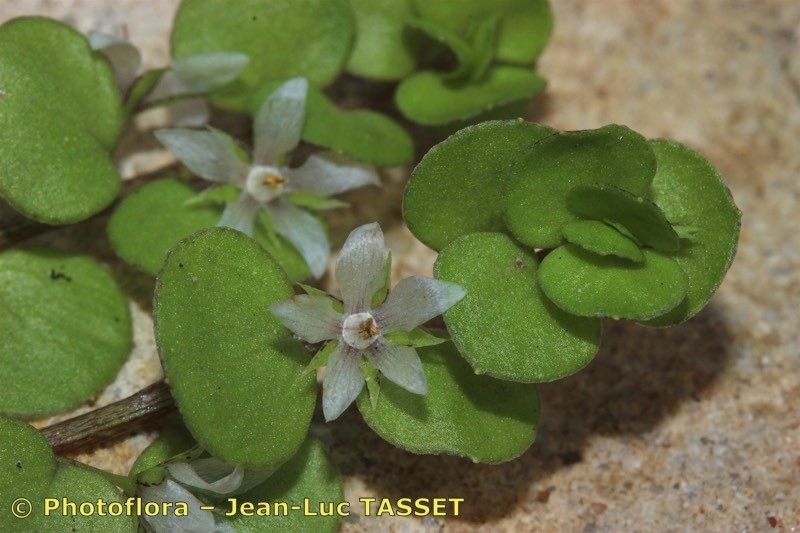
Lysimachia tyrrhenia, commonly known as the Tuscan Loosestrife, is a prized jewel among garden plants. This charming perennial captivates with its delicate, bright yellow flowers and attractive foliage, often forming attractive mats. Its compact habit makes it suitable for borders, rock gardens, or as a groundcover. While its beauty is admired by many gardeners, propagating Lysimachia tyrrhenia presents unique challenges. Its relatively low propagation rate in the home setting adds to its allure for those seeking a rewarding cultivation experience.
Seed Germination:
Currently, there are no known reliable methods for seed germination propagation of Lysimachia tyrrhenia. While the plant does produce seeds, their germination rate is exceptionally low, making this method impractical for most home gardeners. Further research into specific germination requirements might yield results in the future, but currently it is not considered a viable option.
Cuttings:
Cuttings offer a more reliable method of propagation for Lysimachia tyrrhenia.
Challenges: Rooting can be slow and inconsistent. The success rate depends heavily on environmental conditions and the timing of the cuttings.
Practical Tips: Take semi-hardwood cuttings in late summer or early autumn. Use a rooting hormone to improve success rates. Maintain high humidity using a propagator or covering the cuttings with a plastic bag. Ensure consistent moisture, but avoid overwatering. Well-draining propagation mix is crucial.
Rewards: Cuttings provide a relatively quick way to produce genetically identical clones of the mother plant, preserving desirable traits.
Division:
Division is arguably the easiest and most reliable method of propagating Lysimachia tyrrhenia.
Challenges: The plant needs to be established and sufficiently large before division can be attempted. Care must be taken to avoid damaging the roots.
Practical Tips: Divide the plant in spring or early autumn, after flowering. Use a sharp, clean spade or knife to carefully separate sections of the root system, ensuring each division contains healthy roots and shoots. Plant the divisions immediately in well-prepared soil.
Rewards: Division is a quick and relatively simple method, resulting in multiple plants with minimal effort. It’s particularly suitable for established plants needing rejuvenation or space reduction.
Tissue Culture:
Tissue culture offers the potential for large-scale propagation of Lysimachia tyrrhenia.
Challenges: This method requires specialized equipment, sterile conditions, and a considerable amount of technical expertise. It is not practical for home gardeners.
Practical Tips: This method is best left to professionals in laboratories or specialized nurseries with the necessary equipment and knowledge.
Rewards: It allows for the rapid production of a large number of genetically identical plants—a crucial tool for commercial propagation.
Conclusion:
Propagating Lysimachia tyrrhenia presents various challenges, with division offering the most accessible and successful path for the home gardener. While seed germination is currently unfeasible and tissue culture is prohibitively complex, cuttings provide another avenue, albeit with lower success rates than division. The unique satisfaction derived from successfully propagating this beautiful plant lies precisely in overcoming these challenges. The triumphant emergence of new growth reward patience and precision, highlighting the interconnectedness between grower and the plant. For aspiring propagators, starting with division, then experimenting with cuttings, is a recommended approach. Don’t be disheartened by initial setbacks; persistence and learning from each attempt will eventually lead to successful cultivation and the immense reward of sharing this lovely plant with others.