
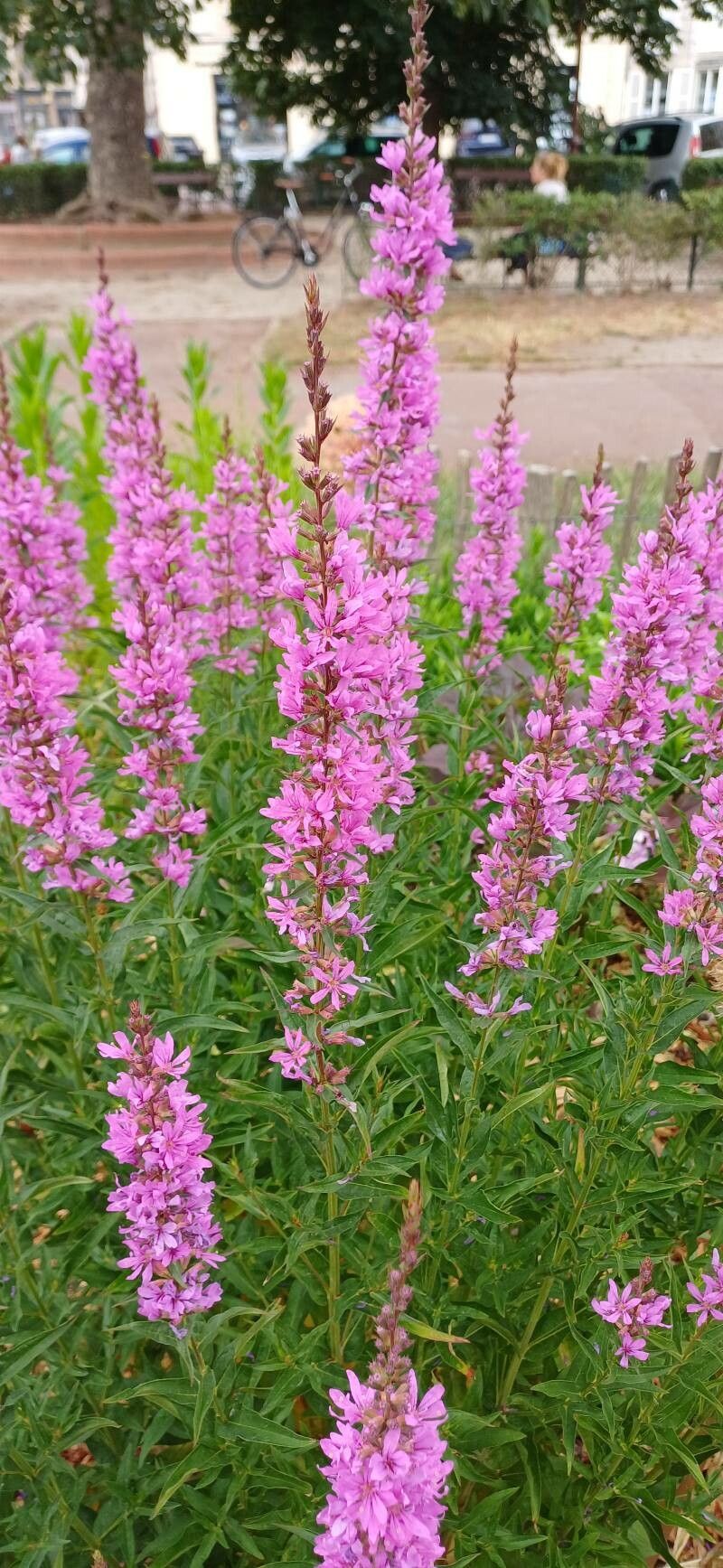
From Tiny Seed to Vibrant Blooms: Propagating the Graceful Lythrum flexuosum
The Lythrum flexuosum, also known as the “loosestrife” or “willow loosestrife,” is a captivating plant with its delicate, vibrant purple blooms. These blooms, usually found in clusters atop tall, slender stalks, can transform any garden into a breathtaking spectacle. But beyond its pleasing aesthetics, this plant offers a certain charm: it’s surprisingly easy to propagate, allowing you to share its beauty with others or simply expand your own garden.
So, ready to embrace the magic of propagation and welcome more of these graceful plants into your life? Let’s dive into the world of Lythrum flexuosum propagation!
Embracing the Power of Seeds
One of the most straightforward ways to grow new Lythrum flexuosum plants is through seed propagation. Here’s a step-by-step guide:
Harvesting the Seeds: Once the plant’s purple flowers have bloomed and faded, you’ll find tiny, black seeds within the dried seed pods. Gently collect these pods and allow them to dry fully in a cool, dry environment.
Sowing the Seeds: Sow the seeds indoors in late winter or early spring. Opt for a seed tray filled with a well-draining seed starting mix. Lightly cover the seeds with soil, ensuring they receive sufficient moisture.
Germination: With consistent moisture and warm temperatures, the seeds will germinate within a few weeks.
- Transplanting: Once the seedlings have developed a few true leaves, you can transplant them into individual pots or directly into your garden bed, spacing them about 12 inches apart.
The Art of Cuttings
Another effective method to propagate Lythrum flexuosum is through cuttings. This technique is quite simple and allows you to quickly multiply your plants.
Taking Cuttings: During spring or early summer, select healthy, non-flowering shoots from the parent plant. Using clean, sharp pruning shears, take 4-6 inch cuttings just below a leaf node.
Preparing the Cuttings: Remove the leaves from the bottom inch or two of the cutting and dip the cut ends into a rooting hormone powder. This helps to stimulate root growth.
Planting the Cuttings: Insert the cuttings into a pot filled with a moisture-retentive potting mix. Keep the cuttings moist and provide them with bright, indirect light.
- Rooting: Within a few weeks, you should see new roots emerging from the cuttings. Once the roots are well-established, you can transplant the cuttings into their permanent location in the garden.
Choosing the Best Propagation Method for You
While both seed and cutting propagation methods are effective, choosing the right method for you depends on your preferences and goals.
Seed propagation is an excellent option if you want to save money and grow large quantities of plants. This method also allows you to enjoy the process of nurturing seedlings from their initial stages.
- Cuttings offer a faster and more efficient way to multiply your plants, especially if you want to preserve the specific traits of your parent plant.
Tips for Successful Propagation
Provide Adequate Light: Lythrum flexuosum thrives in full sun to partial shade. Ensure your seedlings and cuttings receive ample sunlight.
Maintain Consistent Moisture: Maintain a consistently moist environment for your seedlings and cuttings. However, avoid overwatering, as this can lead to root rot.
- Fertilize Regularly: Regular feeding with a balanced fertilizer will encourage vigorous growth.
Propagating Lythrum flexuosum is a simple and rewarding experience. By utilizing seed or cutting propagation, you can effortlessly multiply this captivating plant and enjoy its vibrant blooms for years to come. So, gather your tools, choose your method, and embark on this exciting journey of propagation!