
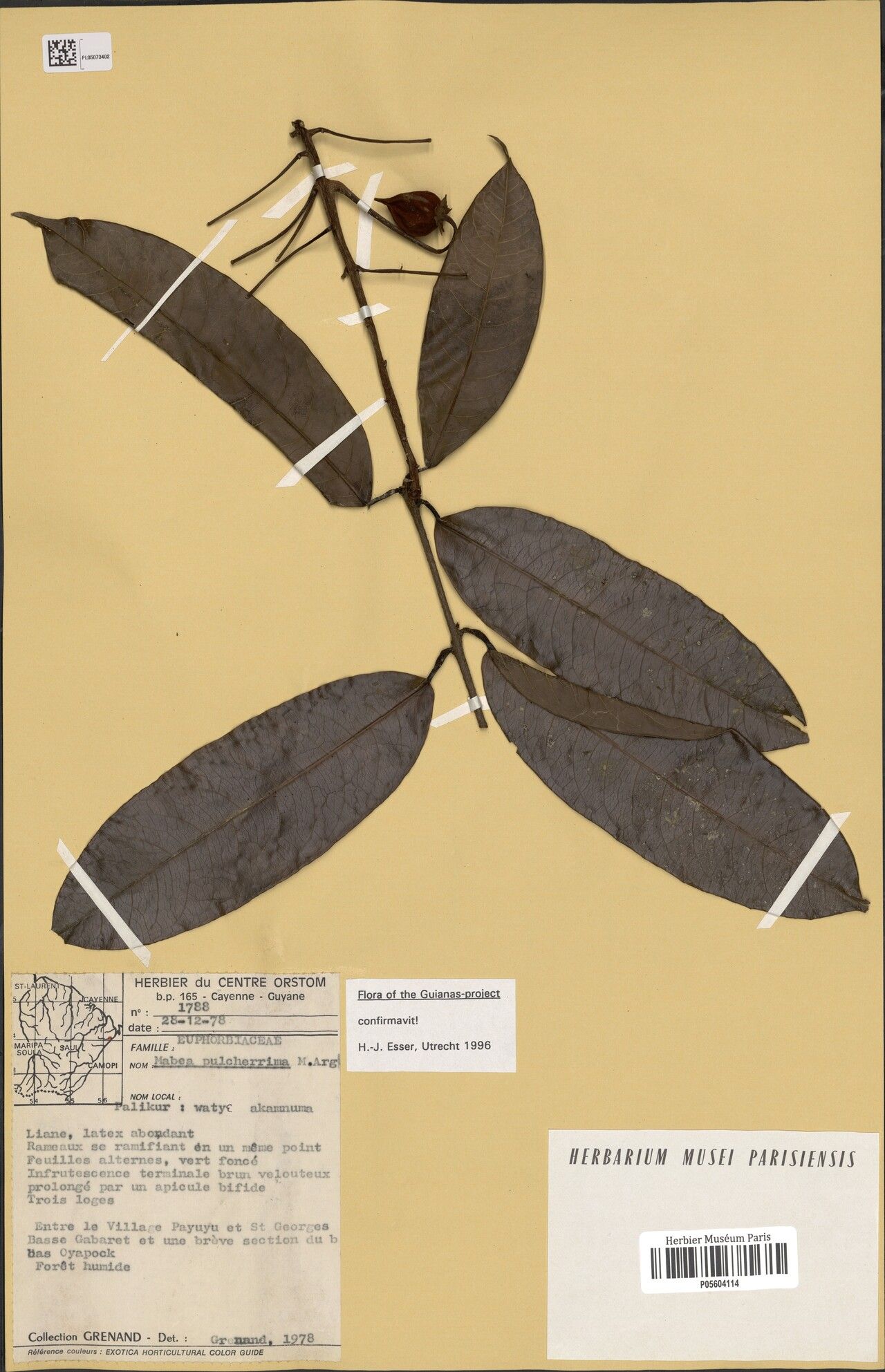
Unveiling the Beauty: Propagation Secrets for the Mabea Pulcherrima
The Mabea pulcherrima, also known as the “Red Candelabra Tree,” captivates with its dramatic foliage and fiery red new growth. Native to Central and South America, this tropical marvel can be a stunning addition to any garden that enjoys warm climates. While relatively unknown outside its native habitat, its ease of propagation and unique beauty make it a hidden gem worth exploring.
Seeds of Potential:
One of the most rewarding ways to propagate the Mabea pulcherrima is through seeds. Freshly collected seeds offer the highest chances of success.
- Collection and Preparation: Look for mature seed pods that turn brown and begin to split open. Collect the small, black seeds inside and remove any pulp or debris. Soaking the seeds in warm water for 24 hours can help soften the outer shell and improve germination rates.
- Sowing: Plant the seeds in a well-draining seed-starting mix, burying them about ½ inch deep. Maintain consistent moisture and warmth, ideally between 75-85°F (24-29°C). Germination typically takes 2-4 weeks.
- Transplanting: Once the seedlings develop a few sets of true leaves, they can be carefully transplanted into individual pots. Gradually acclimatize them to outdoor conditions before planting them in the ground.
The Art of Cuttings:
Propagation through cuttings offers a faster method, allowing you to replicate the characteristics of a parent plant. Here’s how to do it:
- Timing is Key: Spring or early summer, when the plant is actively growing, provides the best chances of success.
- Taking the Cuttings: Select healthy, semi-hardwood stems, ideally 4-6 inches long. Make a clean cut just below a leaf node (where the leaf attaches to the stem). Remove the lower leaves, leaving 2-3 leaves at the top.
- Encouraging Root Development: Dip the cut end in rooting hormone powder to stimulate root growth. Plant the cuttings in a well-draining potting mix, burying at least a third of the stem.
- Creating a Humid Environment: Cover the cuttings with a clear plastic bag or place them in a propagator to retain moisture. Keep them in a bright location but out of direct sunlight. After a few weeks, tug gently on the cuttings to check for root development. Once roots establish, the cuttings can be potted individually.
Nurturing Your New Additions:
Whether you choose seeds or cuttings, remember that young Mabea pulcherrima plants thrive in well-draining soil and prefer a sunny location with some protection from harsh afternoon sun. Regular watering is crucial, especially during the first year, allowing the soil to dry slightly between waterings. Applying a balanced fertilizer every few weeks during the growing season will promote healthy growth.
A Rewarding Endeavor:
Propagating your own Mabea pulcherrima is a fulfilling experience that allows you to witness the fascinating life cycle of this unique tropical beauty. With a little patience and care, you can introduce this vibrant and captivating species to your own garden haven.