
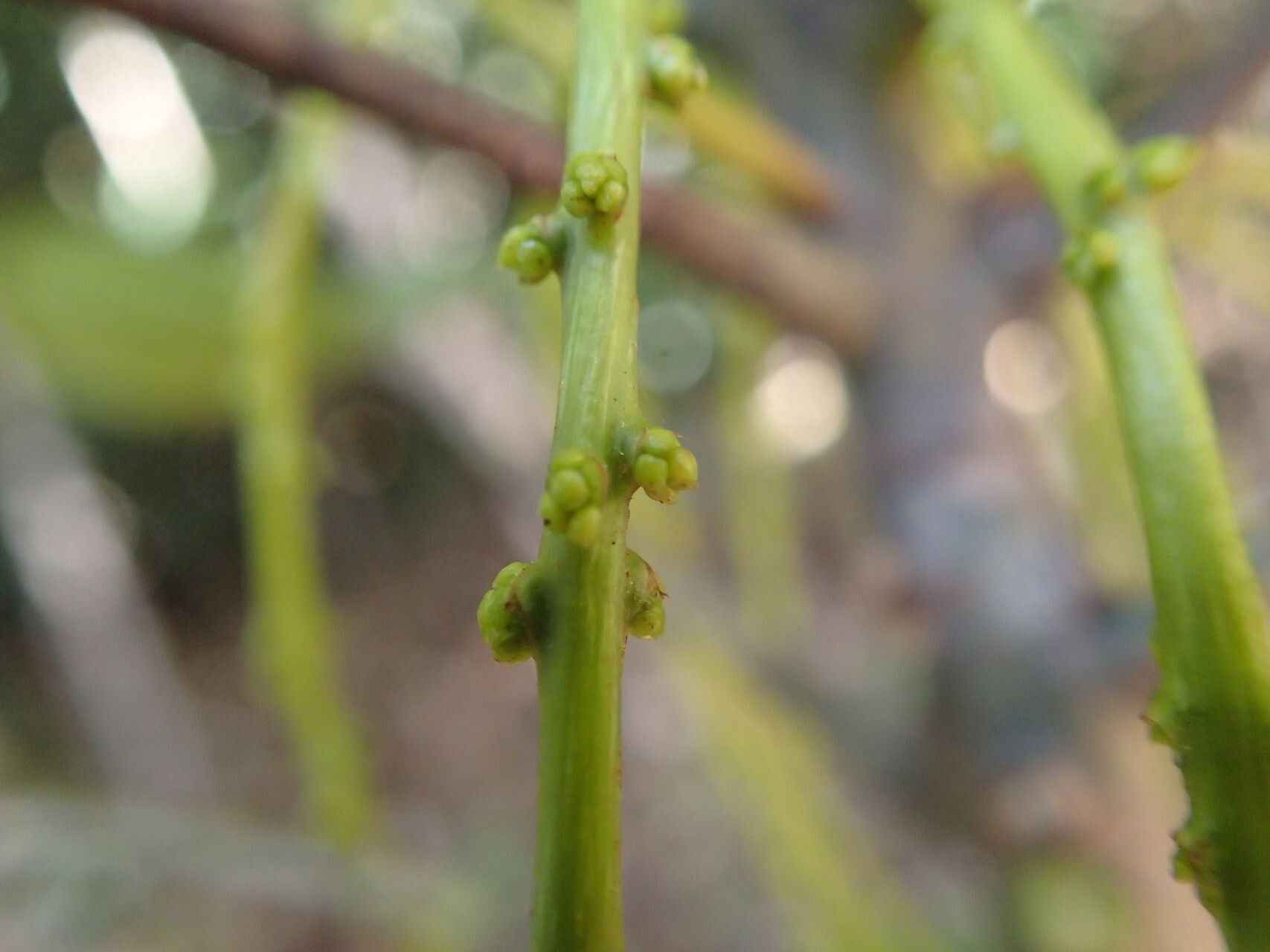
Growing Your Own Jungle: A Guide to Propagating Macaranga alchorneoides
Macaranga alchorneoides, commonly known as the “Rice Paper Tree,” is a stunning tropical plant that can add a touch of the rainforest to your home or garden. With its large, glossy leaves and spreading, bushy habit, this tree is a popular choice for interior landscapes or as a focal point in outdoor settings. But did you know you can easily propagate this beauty at home?
This blog post will take you through the ins and outs of propagating Macaranga alchorneoides, enabling you to grow your own thriving jungle from the comfort of your own space.
Methods for Propagation:
Macaranga alchorneoides can be propagated using two main methods:
1. Cuttings:
- Semi-hardwood cuttings: This method is the most common and effective. In late spring or early summer, take cuttings from new growth that is semi-woody but still flexible. Each cutting should be about 4-6 inches long, with at least two sets of leaves.
- Preparation: Remove the leaves from the bottom inch or two of the cutting, leaving just the top two sets. Dip the base of the cutting in rooting hormone to encourage root growth.
- Planting: Insert the cuttings into a pot filled with well-draining potting mix. Mist the cuttings regularly and keep them in a warm, humid environment.
- Important Note: Ensure the cutting is inserted deeply enough to provide support for the remaining two sets of leaves.
2. Seed Propagation:
- Seed Collection: Macaranga alchorneoides produces small, round seeds that are dispersed by wind. You can collect the seeds from a mature tree or purchase them online.
- Sowing: Sow the seeds in a seed tray filled with a moist, well-draining seed-starting mix. Keep the seeds moist and in a warm, bright location.
- Germination: Macaranga alchorneoides seeds are relatively fast-growing, and germination should occur within a few weeks.
Important Considerations:
- Light: Macaranga alchorneoides prefers bright, indirect light, and can tolerate some direct sun.
- Temperature: Maintain a warm temperature (70-80°F) for optimal propagation success.
- Humidity: Like most tropical plants, Macaranga alchorneoides thrives in humid environments. Mist the cuttings or seedlings regularly, or consider using a humidifier.
- Water: Keep the soil consistently moist but not waterlogged.
- Fertilizer: Once the cuttings or seedlings are established, you can fertilize them every few weeks with a balanced liquid fertilizer.
Troubleshooting:
- Yellowing leaves: This can indicate overwatering or insufficient light. Adjust watering habits and provide brighter light.
- Leaf drop: Low humidity is often the culprit. Increase humidity around the plant.
- Wilting: Check for root rot, which can occur due to overwatering. Allow the soil to dry out slightly between waterings.
Enjoy Your New Macaranga alchorneoides:
With a little patience and care, you can successfully propagate Macaranga alchorneoides at home. This fantastic plant will reward you with its stunning vibrant green foliage and add an exotic, tropical touch to your surroundings. Whether you choose to start with cuttings or seeds, propagating this species is an enjoyable and rewarding experience.