
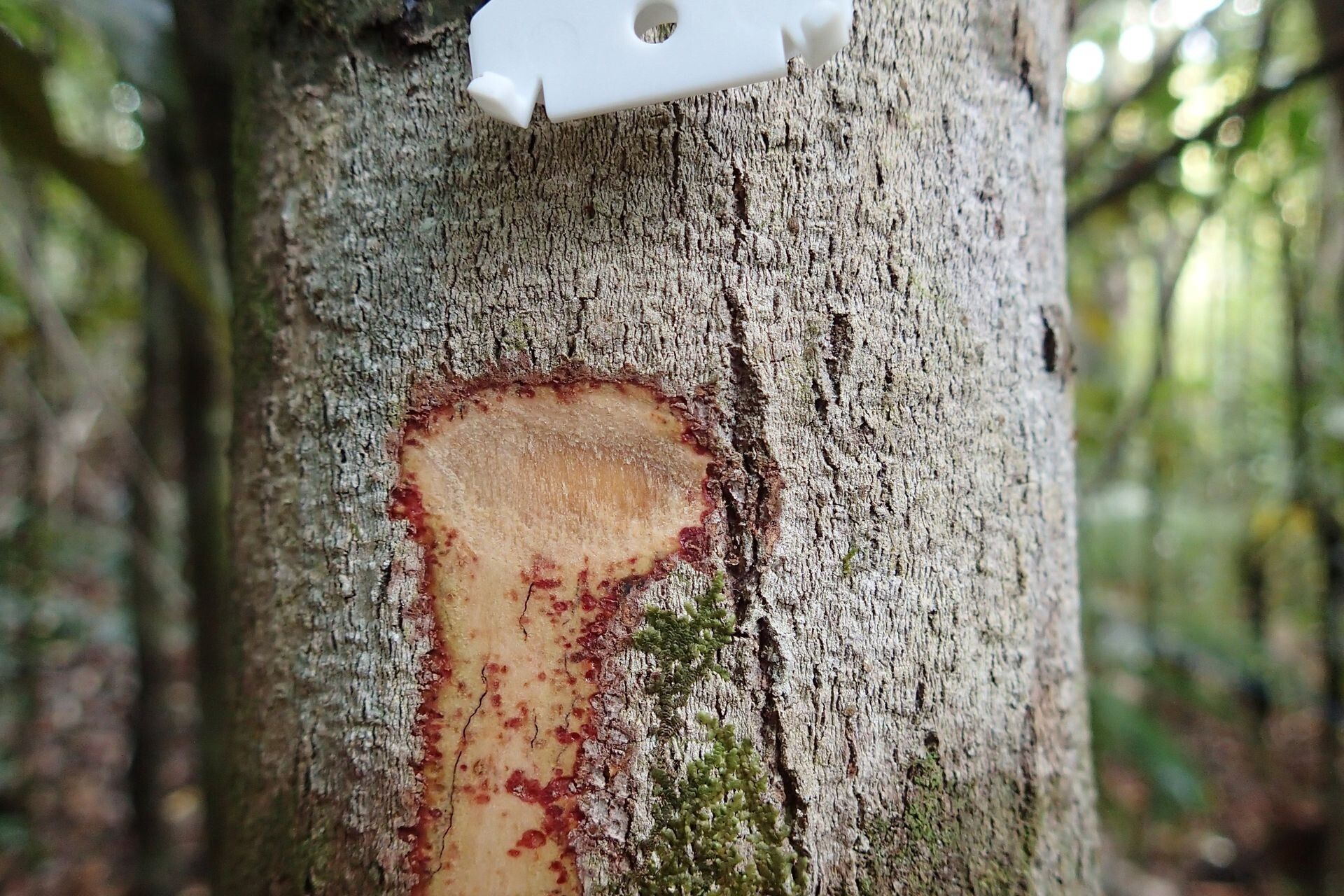
Unleashing the Beauty of Bingabing: A Guide to Propagating Macaranga corymbosa
Macaranga corymbosa, more commonly known as Bingabing or the Heart-leaved Macaranga, is a sight to behold. Native to Southeast Asia, this fast-growing evergreen boasts large, heart-shaped leaves that create a dramatic tropical canopy. But beyond its captivating foliage, Bingabing holds another secret: it’s incredibly easy to propagate, allowing even novice gardeners to add a touch of the exotic to their landscapes.
Why Propagate Bingabing?
- Fast and Affordable: Growing Bingabing from cuttings or seeds is significantly faster and more cost-effective than purchasing a mature plant.
- Share the Beauty: Propagation allows you to share this stunning plant with friends and family, spreading its unique beauty.
- Conservation: By successfully propagating Bingabing, you contribute to the preservation and diversity of this remarkable species.
Propagation Methods
There are two primary methods for propagating Bingabing, each with its own advantages:
1. Propagation from Cuttings:
This is the most common and efficient method, yielding faster results. Here’s how it’s done:
Materials:
- Sharp, sterilized pruning shears
- Rooting hormone (optional but recommended)
- Well-draining potting mix
- Small pots or seedling trays
Instructions:
- Take Cuttings: Select healthy, semi-mature stems (not too young and green) about 4-6 inches long. Cut just below a leaf node at a 45-degree angle.
- Prepare Cuttings: Remove the lower leaves, leaving 2-3 leaves at the top. Dip the cut end in rooting hormone (if using) to encourage faster root development.
- Potting: Plant the cuttings in the prepared potting mix, burying the node where the leaves were removed. Water gently and thoroughly.
- Create a Humid Environment: Cover the pots with a clear plastic bag or place them in a propagator to maintain high humidity. This is crucial for successful rooting.
- Light and Water: Place the cuttings in a warm, bright location, but out of direct sunlight. Keep the soil consistently moist but not waterlogged.
- Transplanting: After 4-6 weeks, cuttings should have developed roots. Gently tug on the cutting; resistance indicates rooting. Transplant the rooted cuttings into larger individual pots or your desired location.
2. Propagation from Seeds:
While this method takes longer, it offers a rewarding experience. Bingabing produces small, clustered fruits containing the seeds.
Instructions:
- Collect Seeds: Allow the fruits to fully ripen on the plant, then collect and extract the seeds.
- Prepare Seeds: Soak the seeds in water for 24 hours to improve germination rates.
- Sowing: Sow the seeds in a seed-starting mix, covering them lightly with soil. Water gently.
- Germination: Place the seed tray in a warm, bright location. Keep the soil consistently moist. Germination can take several weeks.
- Transplanting: Once the seedlings develop a few sets of true leaves and are large enough to handle, transplant them into individual pots or your desired location.
Tips for Success:
- Timing is Key: The ideal time for propagation is during the plant’s active growing season, typically spring or summer.
- Maintain Humidity: High humidity is crucial, especially for cuttings. Mist them regularly or use a humidity dome.
- Patience is a Virtue: Propagation takes time. Don’t be discouraged if you don’t see results immediately.
With a little patience and the right techniques, you can easily multiply your Bingabing plants, transforming your garden into a verdant paradise with these captivating tropical beauties.