
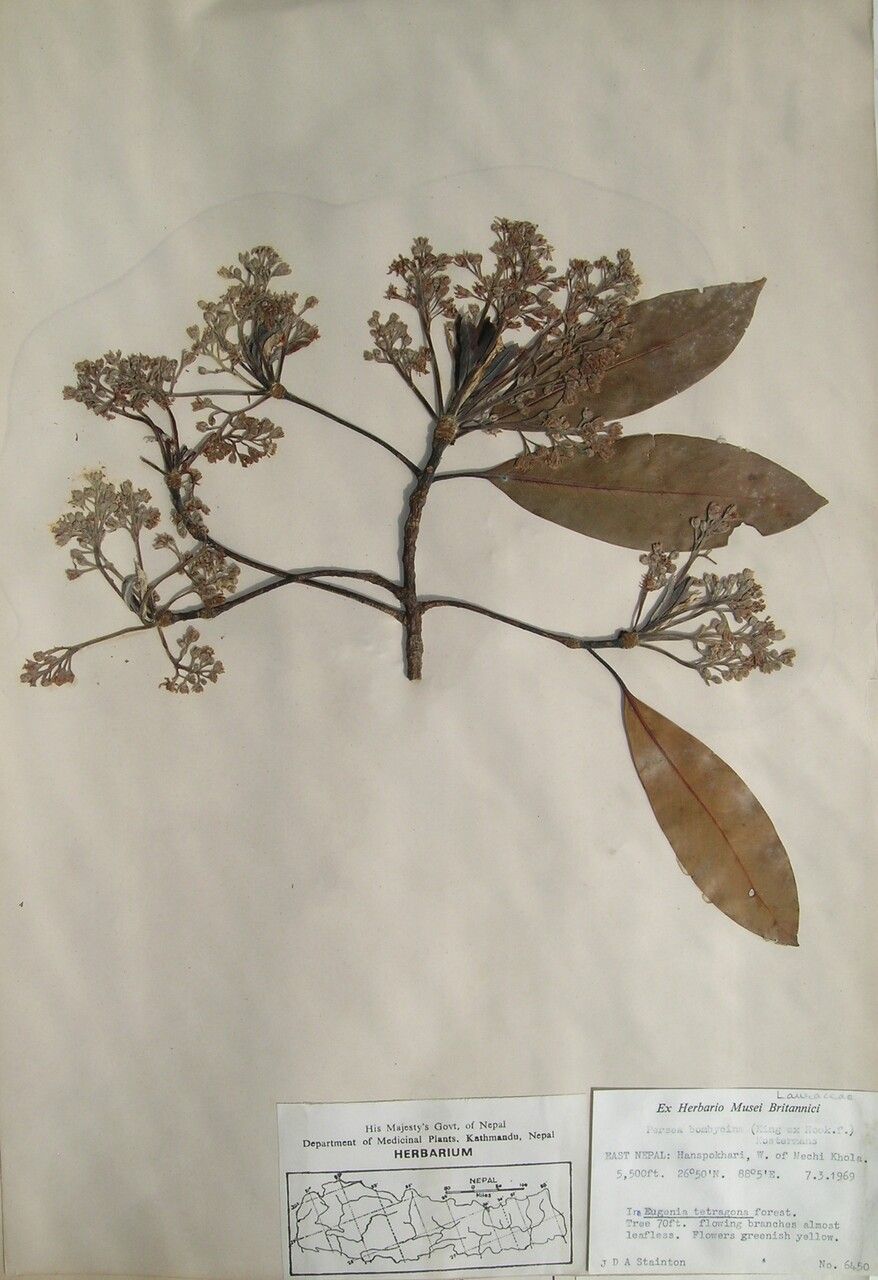
Propagating Machilus gamblei: A Gardener’s Guide to the Himalayan Laurel
Machilus gamblei, commonly known as the Himalayan Laurel, is a captivating evergreen tree prized for its handsome foliage, aromatic properties, and relatively easy cultivation in suitable climates. Its glossy, dark green leaves, attractive reddish-brown new growth, and potential for creating a striking specimen or hedging plant make it a sought-after addition to gardens in temperate regions. However, its propagation presents unique challenges and rewards, depending on the chosen method.
Seed Germination:
Currently, there are no known reliable methods for seed germination propagation of Machilus gamblei. While the plant produces seeds, their viability and germination rate are notoriously low, and successful germination has not been widely documented. Further research into specific pre-treatment techniques, including potential stratification methods, may be needed to unlock the potential of seed propagation.
Cuttings:
Cuttings offer a more promising avenue for propagating Machilus gamblei.
Challenges: Rooting success can be variable and depends heavily on factors like the timing of the cuttings (ideally semi-hardwood cuttings in late summer/early autumn), the use of rooting hormone, and consistently maintaining high humidity to prevent desiccation.
Practical Tips: Take cuttings of approximately 10-15cm length from non-flowering, healthy stems. Remove lower leaves, dip the cut ends in a rooting hormone powder, and plant them in a well-draining propagating mix (e.g., a peat and perlite mix). Maintain high humidity using a propagation dome or plastic bag. Mist regularly to prevent drying out. Rooting may take several weeks or months.
Rewards: Cuttings offer a relatively quick method of propagation, resulting in genetically identical plants to the parent, preserving desirable traits. This ensures consistent quality and characteristics in the resulting plants.
Division:
Division is not a feasible method for propagating Machilus gamblei. The plant’s growth habit doesn’t lend itself to easily being divided into separate, viable plants.
Tissue Culture:
Tissue culture offers a potentially highly effective method for large-scale propagation of Machilus gamblei.
Challenges: Establishing sterile conditions and mastering the specific nutrient and hormone requirements for successful shoot multiplication and rooting are crucial challenges. This method requires specialized equipment and expertise, making it less accessible to the average gardener.
Practical Tips: This method is best left to specialized laboratories with the necessary equipment and knowledge of plant tissue culture techniques.
Rewards: Tissue culture allows for the rapid and mass production of genetically identical plants, making it ideal for commercial propagation or large-scale restoration projects. It also mitigates the limitations of other propagation methods such as low seed viability and inconsistent rooting success from cuttings.
Conclusion:
Propagating Machilus gamblei presents a mix of challenges and rewards. While seed germination remains largely unexplored, cuttings offer a feasible, if somewhat variable, method for the home gardener. Tissue culture presents the most promising avenue for mass propagation but requires specialized knowledge and equipment. The variability inherent in propagating this species is part of its allure; the satisfaction of successfully nurturing a cutting to a mature plant, after overcoming the potential hurdles, is substantially rewarding. For aspiring propagators, patience, attention to detail, and a willingness to experiment are key to success. The journey itself, navigating the challenges and celebrating the successes, ultimately enriches the experience of cultivating this unique and beautiful Himalayan Laurel.