
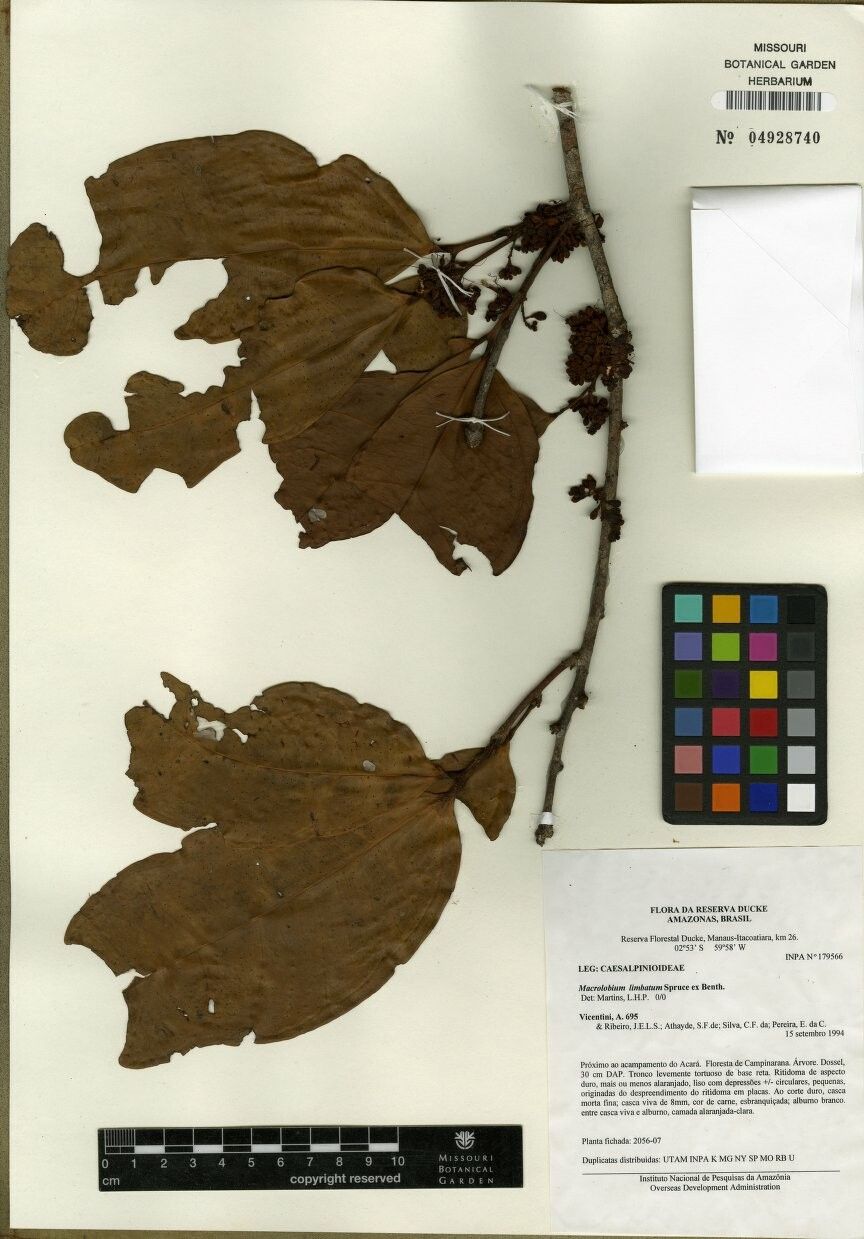
Propagating the Pink-Flowered Macrolobium: A Gardener’s Guide to Macrolobium limbatum
Introduction:
Macrolobium limbatum, often called the Pink-Flowered Macrolobium (though common names are not widely standardized), is a striking tropical tree prized for its vibrant pink flowers and elegant, spreading form. Its stunning floral displays and potential as a shade tree make it a desirable addition to gardens in appropriate climates. However, propagating this species presents unique challenges, making successful cultivation a rewarding accomplishment for enthusiastic gardeners. This guide explores various propagation methods, outlining their viability and offering practical advice.
Seed Germination:
Currently, there are no known reliable methods for seed germination propagation of Macrolobium limbatum. While seeds may be produced, germination rates are reportedly very low, and successful germination requires further research into specific environmental conditions and potential pre-treatment methods. Further investigation is needed to determine if scarification, stratification, or other techniques can improve germination success.
Cuttings:
Propagating Macrolobium limbatum from cuttings presents some challenges but may offer greater success than seed propagation.
Challenges: Hardwood cuttings are likely to be more successful than softwood cuttings given the woody nature of this plant. However, even with hardwood cuttings, rooting hormones and a high humidity environment may be necessary to encourage root development. The slow rooting process and susceptibility to fungal diseases are major hurdles.
Practical Tips: Take semi-hardwood cuttings (partially mature wood) in late summer or early autumn. Use a rooting hormone and place the cuttings in a well-draining propagating mix under a humidity dome or in a propagation chamber with high humidity and bottom heat. Regular misting is crucial. Expect a slow rooting time, potentially several months or longer.
Rewards: Cuttings offer a faster propagation technique than potential seed germination (if ever achievable) and preserve the genetic characteristics of the parent plant. This is beneficial if you have a particularly desirable specimen.
Division:
Division is not a viable method for propagating Macrolobium limbatum. This tree is a single-stemmed, woody plant, and division would severely damage or kill the parent plant.
Tissue Culture:
Tissue culture offers the potential for large-scale propagation of Macrolobium limbatum.
Challenges: Establishing a reliable protocol for in vitro propagation would require significant research and expertise in plant tissue culture techniques. Finding the optimal growth media and hormonal balance for shoot multiplication and root formation could be complex. Contamination and the potential for genetic instability remain inherent risk factors.
Practical Tips: Laboratory conditions with sterile procedures, appropriate growth media, and a controlled environment are essential. Experienced tissue culture professionals are needed to develop and implement a successful protocol.
Rewards: Tissue culture offers the most efficient method for large-scale propagation, enabling the production of many genetically identical plants within a relatively short timeframe. This is crucial for conservation efforts or mass production for commercial purposes.
Conclusion:
Propagating Macrolobium limbatum presents significant challenges regardless of the method employed. While seed germination is currently unreliable, cuttings offer a more promising but still challenging approach. Tissue culture holds the greatest potential for large-scale propagation, but it requires specialized expertise and resources.
The unique satisfaction derived from successfully cultivating this beautiful species comes from overcoming these challenges. Each successfully rooted cutting or tissue-cultured plant represents a significant achievement. For the aspiring propagator, patience, careful attention to detail, and persistence are essential. Starting with cuttings and embracing a learning-by-doing approach combined with thorough research is recommended before moving on to the complexities of tissue culture. The eventual reward—the flourishing growth of this stunning tree in your garden—is well worth the effort.