
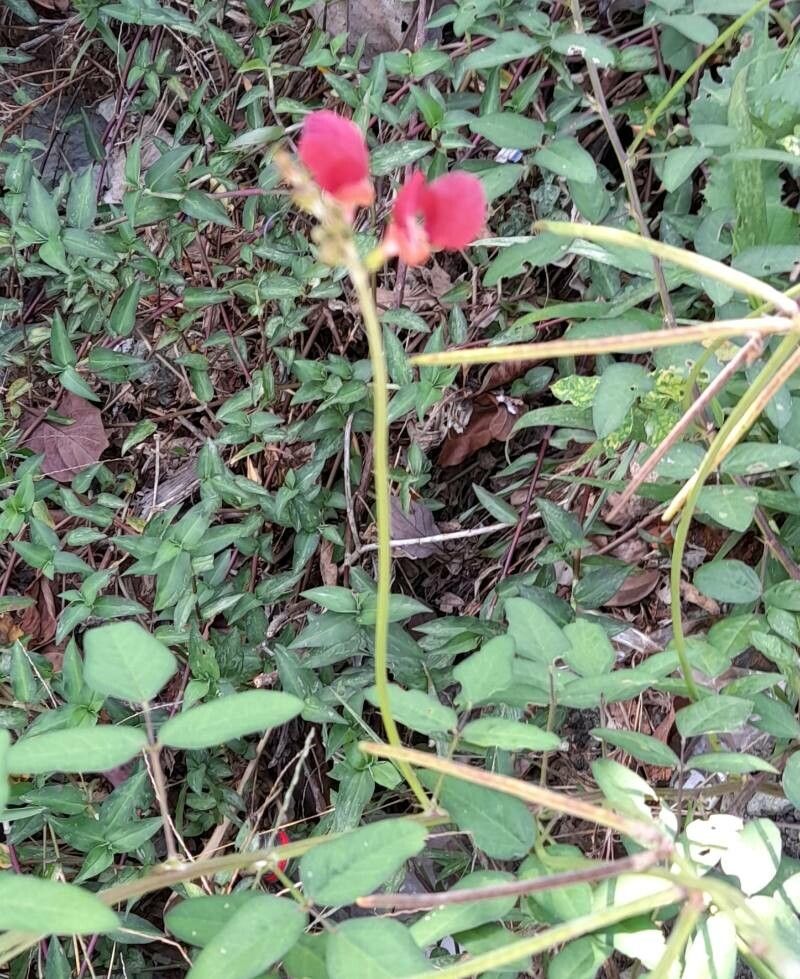
Unleash the Phaseolus Lathyroides: A Guide to Propagating This Tropical Charmer
The plant world is full of hidden gems, and Macroptilium lathyroides, formerly known as Phaseolus lathyroides, is one of them. This vigorous, fast-growing tropical legume isn’t just a pretty face; it’s a nitrogen-fixing powerhouse that can improve your soil while adding a splash of vibrant color. Whether you’re an experienced gardener or just starting, propagating Macroptilium lathyroides is surprisingly easy. Let’s explore the methods to welcome this charming plant into your garden:
Method 1: Seed Starting – The Gift that Keeps on Giving
Macroptilium lathyroides generously produces seed pods, making seed propagation the most common and rewarding method. Here’s how to do it:
- Seed Collection: Look for mature, brown seed pods on the plant. Once dry, the pods will easily split open, revealing small, black seeds.
- Scarification (Optional but Recommended): To speed up germination, gently nick or rub the seeds with sandpaper to break the hard seed coat.
- Sowing: Plant seeds about ½ to 1 inch deep in a well-draining seed starting mix. Water lightly and keep the soil consistently moist.
- Warmth and Light: Macroptilium lathyroides thrives in warmth. Place your seed tray in a sunny location, ideally with temperatures around 70-85°F (21-29°C).
- Transplanting: Seedlings will emerge in about 1-2 weeks. Once they develop a few sets of true leaves, you can transplant them to larger pots or directly into your garden.
Method 2: Cuttings – A Shortcut to Success
For a quicker propagation method, try taking stem cuttings:
- Select Healthy Stems: Choose vigorous, non-flowering stems from a mature Macroptilium lathyroides plant.
- Take the Cutting: Using clean, sharp pruning shears, make a diagonal cut just below a leaf node. Aim for a cutting that’s about 4-6 inches long.
- Prepare the Cutting: Remove any leaves from the lower half of the cutting to prevent rotting.
- Rooting Hormone (Optional): While not essential, dipping the cut end in rooting hormone can encourage faster root development.
- Plant the Cutting: Place the cutting into a pot filled with a well-draining potting mix. Ensure the leaf nodes are buried.
- Moisture and Warmth: Water the cutting thoroughly and keep the soil consistently moist. Similar to seedlings, provide bright, indirect light and warm temperatures.
- Root Development: Within a few weeks, roots should start to develop. You can check for rooting by gently tugging on the cutting; resistance indicates successful rooting.
Tips for Success:
- Well-Draining Soil: Macroptilium lathyroides prefers well-draining soil to prevent root rot.
- Plenty of Sunlight: Place your plants in a sunny location for optimal growth and flower production.
- Moderate Watering: Water regularly, allowing the soil to dry slightly between waterings.
- Fertilizer (Optional): While not mandatory, a balanced fertilizer can encourage healthy growth, especially during the growing season.
Propagating Macroptilium lathyroides is a fulfilling experience that rewards you with a vibrant and beneficial addition to your garden. Whether you choose the magic of seed starting or the speed of cuttings, follow these tips to enjoy the charm of this captivating tropical legume.