
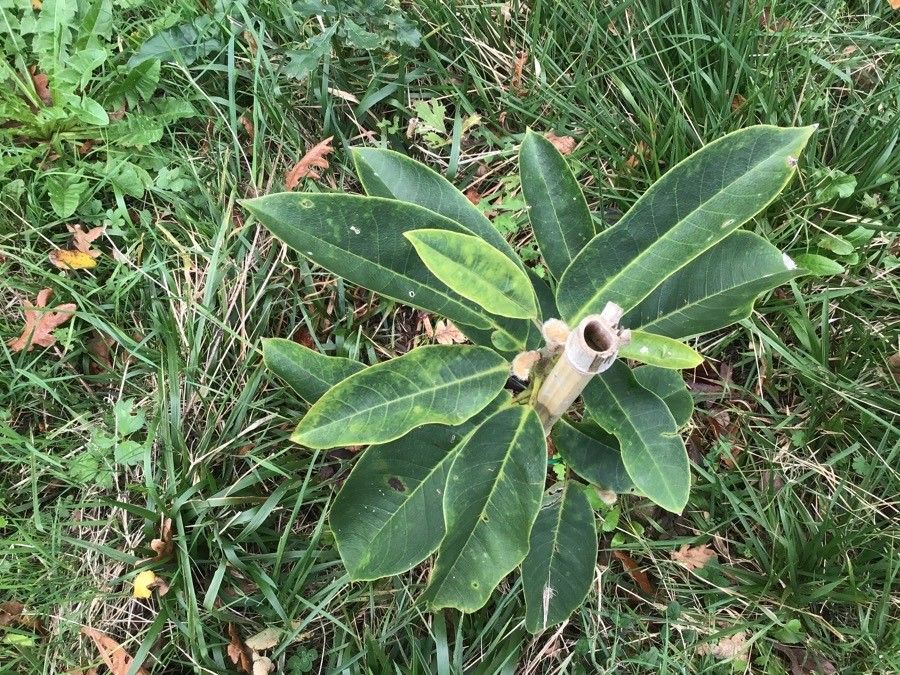
Unlocking the Secrets of Magnolia fulva Propagation: From Seed to Sapling
The stunning Magnolia fulva, with its large, fragrant, and vibrantly colored flowers, is a sight to behold. This magnificent tree, also known as the Banana Shrub or Port Wine Magnolia, is a coveted addition to any garden. If you’re among its admirers and dream of having your own, you might be interested in learning about propagating this beauty. While it requires patience and care, growing a Magnolia fulva from scratch is a rewarding journey. Let’s explore the different propagation methods you can employ.
Method 1: Seed Propagation – A Test of Patience
Propagating Magnolia fulva from seed is considered the most challenging yet most rewarding method. It’s a slow process, often taking several months for germination and even longer for the seedling to mature. Here’s a step-by-step guide:
Seed Collection and Preparation: Gather mature, healthy seeds from ripened fruit in the fall. Remove the fleshy outer layer and soak the seeds in warm water for 24 hours to remove any germination inhibitors.
Stratification: Magnolia seeds require a period of cold stratification to mimic natural winter conditions. Mix the seeds with moist vermiculite or sand and store them in a refrigerator (33-41°F) for 3-4 months.
Sowing: In spring, sow the stratified seeds in seed trays or pots filled with a well-draining seed starting mix. Plant the seeds about half an inch deep and water them gently.
- Seedling Care: Place the seed trays or pots in a warm, bright location but away from direct sunlight. Maintain consistent moisture and be patient, as germination can take several weeks or even months.
Method 2: Semi-Hardwood Cuttings – A Quicker Route
Propagating Magnolia fulva from semi-hardwood cuttings offers a faster and often more successful alternative to seed propagation. This method involves taking cuttings from healthy, mature branches during the summer months:
Taking Cuttings: Choose healthy branches with new growth that has begun to harden. Using clean and sharp pruning shears, take cuttings about 4-6 inches long. Make the cut just below a leaf node.
Preparing the Cuttings: Remove the leaves from the lower two-thirds of the cutting. Dip the cut end in rooting hormone to stimulate root development.
Planting the Cuttings: Plant the prepared cuttings in a pot filled with a well-draining rooting mix, such as peat moss and perlite. Ensure the cutting is planted deep enough for stability.
Creating a Humid Environment: To encourage rooting, cover the pot with a clear plastic bag or a propagation dome to create a warm, humid environment.
- Rooting and Transplanting: Monitor the cuttings for signs of new growth, indicating successful rooting. This can take several weeks to a couple of months. Once the roots are established, transplant the cuttings into individual pots or directly into the garden.
Caring for Your Magnolia fulva
Regardless of the propagation method you choose, providing the right growing conditions is essential for healthy development:
- Soil: Plant in well-draining, slightly acidic to neutral soil (pH 5.5-7.0).
- Light: Provide partial shade to full sun, ideally with morning sun and afternoon shade.
- Water: Water regularly, especially during the first year after planting, keeping the soil consistently moist but not waterlogged.
- Fertilization: Fertilize in the spring with a slow-release fertilizer formulated for acid-loving plants.
Propagating your own Magnolia fulva is a labor of love that requires patience and dedication. Whether you choose the challenge of seed propagation or the relative ease of cuttings, the reward of seeing this magnificent tree flourish in your own garden is worth the effort. Happy propagating!