
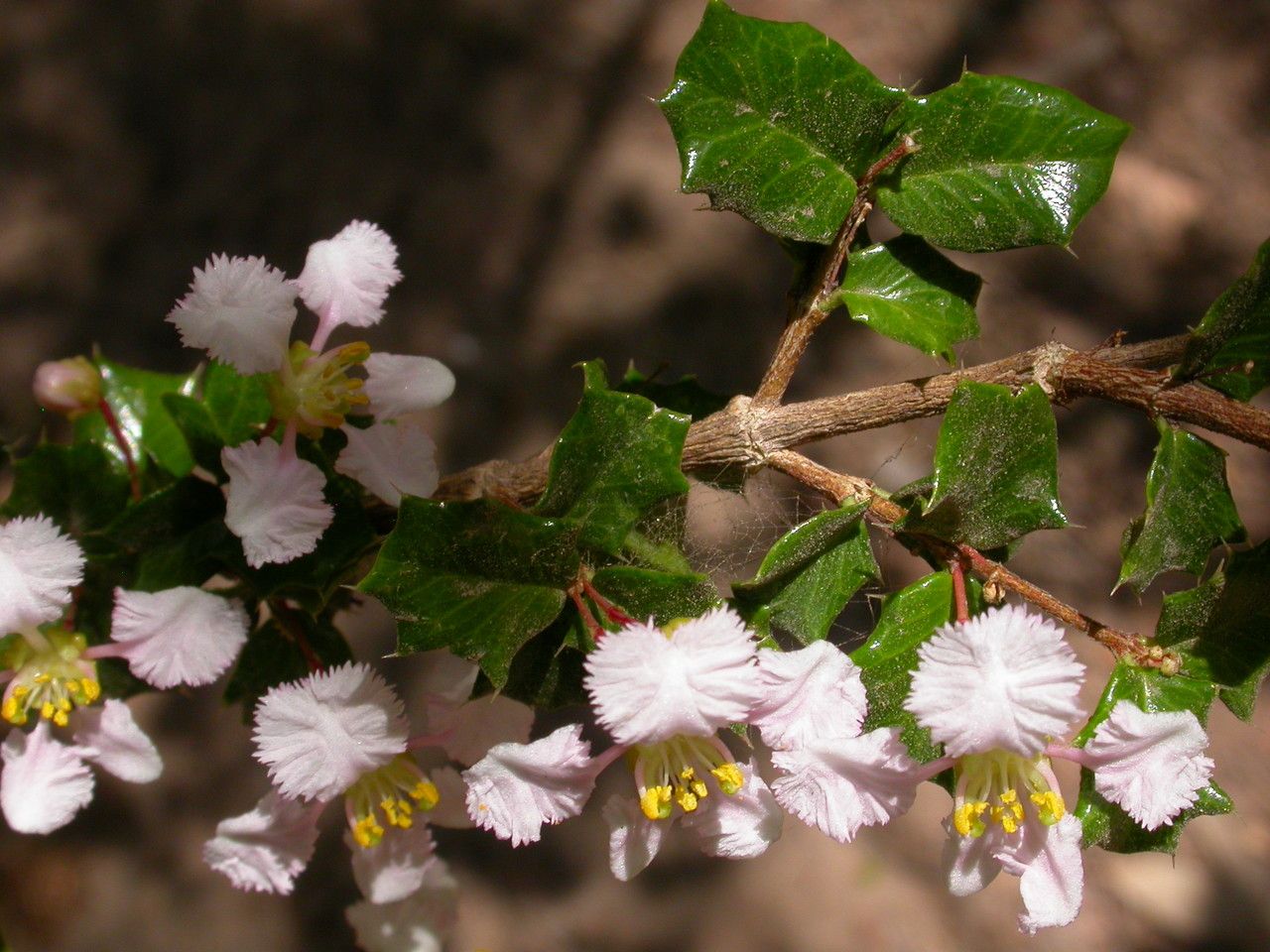
Taming the Barbados Cherry: A Guide to Propagating Malpighia aquifolia
The Barbados cherry, also known as Acerola ( Malpighia aquifolia), is a small, attractive tree prized not just for its vibrant display of pink blossoms but also for its incredibly vitamin C-rich fruit. Whether you are an experienced gardener or just starting out, learning to propagate this tropical beauty can be a rewarding experience. Let’s explore the two most effective methods for multiplying your Malpighia aquifolia collection:
1. Seed Propagation: Embracing the Gamble of Genetic Diversity
Growing Barbados cherry from seed is an adventure in itself. While it’s a relatively straightforward process, be aware that plants grown from seed can exhibit variations in fruit size and quality compared to the parent plant.
Here’s how to do it:
- Harvesting Seeds: Collect ripe, deep red fruits. Extract the seeds, usually three per fruit, and clean off any remaining pulp.
- Seed Treatment: Barbados cherry seeds have a hard outer coating that benefits from scarification to speed up germination. You can achieve this by gently rubbing the seed coat with fine sandpaper or nicking it with a nail clipper, being careful not to damage the embryo inside.
- Sowing: Plant the scarified seeds about ½ inch deep in a well-draining seed-starting mix. Keep the soil consistently moist but not waterlogged.
- Patience is Key: Germination can be erratic, ranging from a few weeks to a couple of months. Provide warmth (around 70-75°F) and bright, indirect light for optimal results.
2. Cutting Propagation: Cloning Your Favorite Cultivar
If you’re looking to replicate the exact characteristics of a specific Barbados cherry plant, propagating from cuttings is the way to go.
Here’s a step-by-step guide:
- Timing is Crucial: Take cuttings in late spring or early summer when the plant is actively growing.
- Selecting the Right Cuttings: Choose healthy, semi-hardwood stems that are about 4-6 inches long. Each cutting should have at least 3-4 nodes (the bumps where leaves emerge).
- Preparing the Cuttings: Remove the lower leaves, leaving only a couple at the top. Dip the cut end in rooting hormone powder (optional but recommended) to encourage faster root development.
- Planting and Care: Plant the cuttings in a well-draining potting mix, burying at least two nodes below the soil. Maintain humidity around the cuttings by covering the pot with a clear plastic bag or using a propagation dome.
- Signs of Success: New growth indicates successful rooting, usually within 4-6 weeks. Once the cuttings show healthy new leaves, you can gradually acclimate them to outdoor conditions before transplanting them to their permanent locations.
Tips for Success
- Well-Draining Soil: Barbados cherry thrives in slightly acidic, well-drained soil. Amend heavy soils with compost or peat moss to improve drainage.
- Sunlight Requirements: While this tropical plant enjoys full sun (6-8 hours daily), providing some afternoon shade, especially in hot climates, can prevent leaf scorch.
- Watering Wisely: Water deeply but infrequently, allowing the soil to dry slightly between waterings. Overwatering can lead to root rot.
Propagating Malpighia aquifolia can be a fulfilling endeavor for both novice and seasoned gardeners. Whether you choose to try your luck with seeds or prefer the reliability of cuttings, with a bit of patience and care, you’ll soon be enjoying the beauty and bounty of this vitamin-packed tropical fruit.