
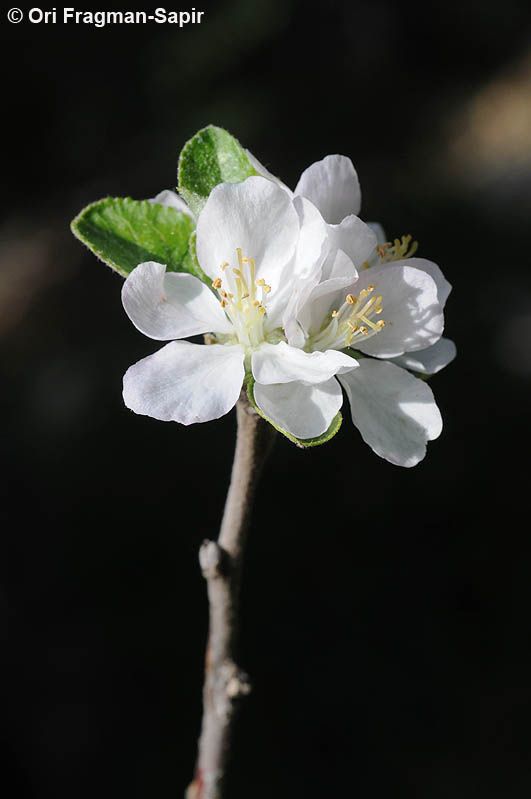
From Seed to Sprout: The Joy of Propagating Your Own Malus orientalis
The Malus orientalis, also known as the Oriental Crabapple, is a stunning ornamental tree boasting vibrant flowers and delectable fruits. If you’re seeking a rewarding way to expand your garden or share the beauty of this tree, propagation is the key! It’s a fascinating journey that allows you to cultivate your own “mini-me” Malus orientalis, right from the comfort of your backyard.
Methods for Propagation:
While several methods exist, two stand out as particularly effective for the Malus orientalis:
1. Seed Propagation:
- Simplicity at its core: This method is a classic for a reason. Simply collect ripe Malus orientalis fruits, extract the seeds, and let them dry thoroughly.
- Stratification: The seeds require a period of cold stratification to break dormancy and germinate successfully. This simulates the natural winter conditions they would experience in their native habitat. You can achieve this by placing the seeds in a damp, sealed container and chilling them in the refrigerator for several weeks.
- Patience is key: While readily available, seed propagation does take time. Expect a wait of 1-2 years before your seedlings are ready for transplanting outdoors.
2. Cuttings:
- Faster results: For quicker gratification, consider propagation through cuttings. This method utilizes stem portions of the parent plant to grow new individuals.
- Timing is crucial: The optimal season for taking cuttings is during the dormant period, ideally in late autumn or early winter.
- Choose the right cutting: Select healthy, pencil-thick stems with well-defined growth nodes.
- Root hormone magic: You can significantly boost rooting success by using a rooting hormone powder or gel.
- Providing a nurturing environment: Plant the cuttings in a well-draining potting mix and maintain a consistently humid environment using a humidity dome or plastic bag.
Tips for Success:
- Light: Provide ample indirect sunlight for optimal growth.
- Watering: Water thoroughly, but avoid overwatering, allowing the soil to dry slightly between waterings.
- Fertilizer: Fertilize with a balanced, water-soluble fertilizer every few weeks during the growing season.
- Patience and observation: Remember that plant propagation requires patience and regular observation. Monitor your seedlings or cuttings for signs of disease, pests, or growth issues.
Beyond Beauty:
The Malus orientalis offers more than just aesthetic appeal. Its sweet fruits attract birds and other wildlife, making your garden a bustling haven. The tree’s vibrant flowers bring a splash of color to your landscape and its sturdy wood finds use in carpentry and crafting projects.
Propagating your own Malus orientalis is a rewarding experience that connects you deeply with the natural world. So, gather your supplies, choose your method, and embark on this exciting journey! You’ll not only witness the magic of new life emerging, but also gain a deeper connection to the beauty and diversity of the plant kingdom.