
Unlocking the Secrets of Toringo Crabapple Propagation: From Seed to Stunning Tree
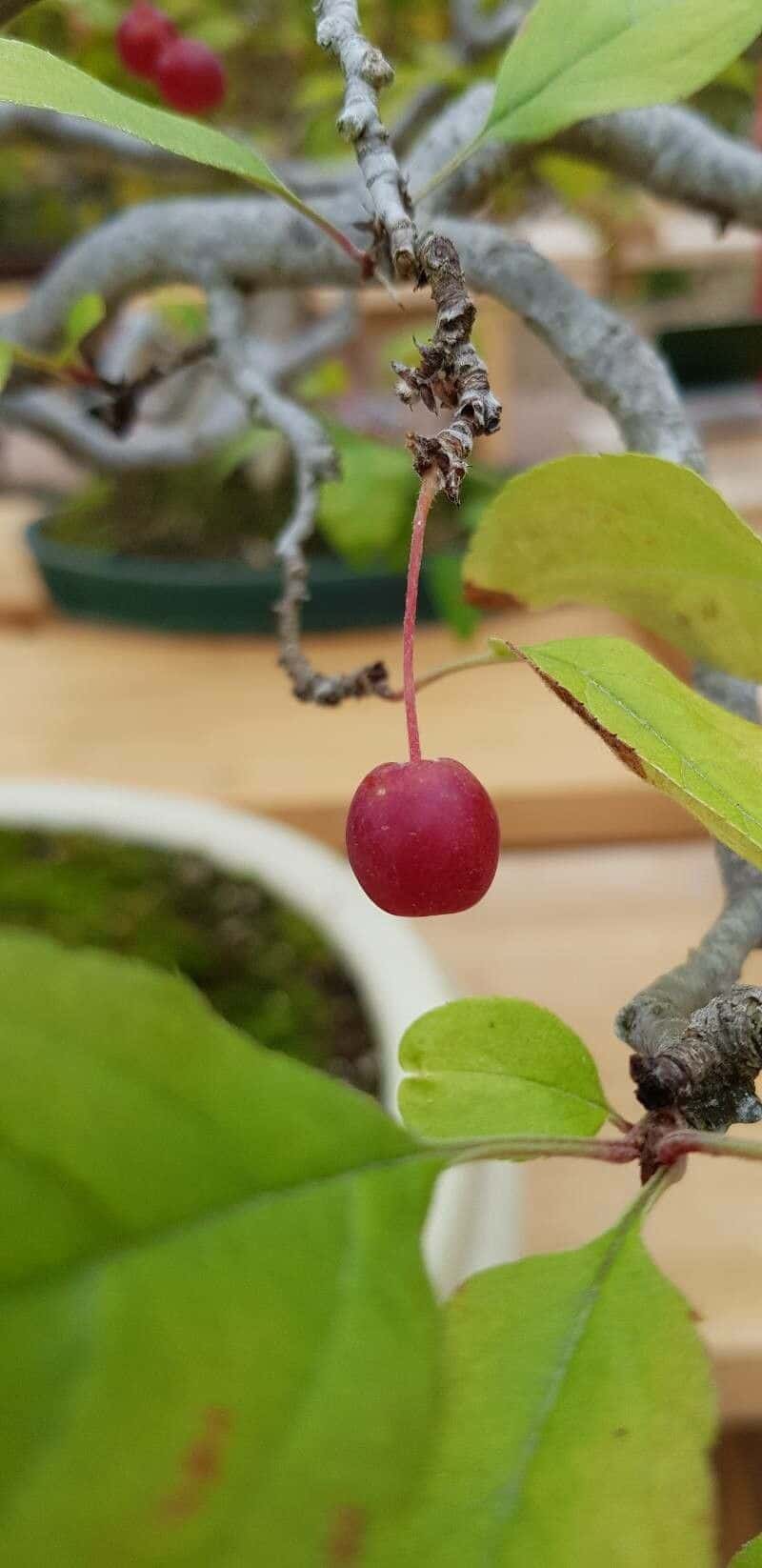
The Toringo Crabapple (Malus toringo), with its delicate blossoms and vibrant fruit, is a stunning addition to any garden. But did you know that growing your own Toringo, while a bit more involved than simply buying a sapling, is a rewarding experience within reach? Let’s delve into the fascinating world of Toringo Crabapple propagation, exploring the methods that will have you welcoming these beauties into your landscape in no time.
Method 1: Starting from Seed (The Patient Gardener’s Approach)
Propagating Toringo Crabapple from seed requires a bit more time and effort, but it offers a sense of accomplishment and the chance to witness the entire life cycle of your tree. Here’s what you need to know:
Seed Collection and Preparation: Harvest ripe Toringo Crabapple fruit in the fall. Extract the seeds and clean off any remaining fruit flesh. To break their dormancy, the seeds require a period of cold stratification. Mix them with a moist (not soggy) medium like vermiculite or sand and store them in a sealed container in the refrigerator for at least 90 days.
Sowing the Seeds: In spring, sow the stratified seeds in seed trays or small pots filled with seed-starting mix. Plant them ¼ to ½ inch deep and keep the soil consistently moist.
- Patience is Key: Germination can take several weeks to a few months. Once the seedlings emerge and have a few sets of true leaves, they can be transplanted into larger pots or directly into the ground after the last frost.
Method 2: Taking Cuttings (A Faster Route to Success)
For a quicker and often more reliable method, consider propagating Toringo Crabapple from cuttings:
Timing is Everything: Take cuttings in late spring or early summer when the new growth is still flexible.
Select and Prepare Your Cuttings: Choose healthy, non-flowering shoots that are about 4-6 inches long. Make a clean cut just below a leaf node (where the leaf attaches to the stem). Remove the leaves from the bottom third of the cutting.
Encourage Root Development: Dip the cut end in rooting hormone powder to stimulate root growth. Plant the cuttings in a well-draining potting mix, burying at least one node below the soil surface.
Create a Humid Environment: Cover the cuttings with a plastic bag or humidity dome to maintain moisture. Place them in a bright location, but out of direct sunlight.
- Transplanting Time: After a few weeks, gently tug on the cuttings to check for resistance, which indicates root development. Once rooted, they can be transplanted into larger pots or outdoors.
Nurturing Your New Toringo Crabapple Trees
Whether you’ve sprouted seedlings or nurtured cuttings, young Toringo Crabapples require consistent care:
- Sun and Soil: Plant in a location that receives at least 6 hours of sunlight per day and has well-drained soil.
- Watering: Keep the soil consistently moist, especially during the first year after planting.
- Fertilizing: Feed your young trees with a balanced fertilizer in spring, following package instructions.
Propagating your own Toringo Crabapple is a rewarding experience that connects you to the magic of plant growth. With a bit of patience and care, you can enjoy the beauty of these stunning trees for years to come.