
Unleash the Beauty of Malva Longiflora: A Practical Guide to Propagation
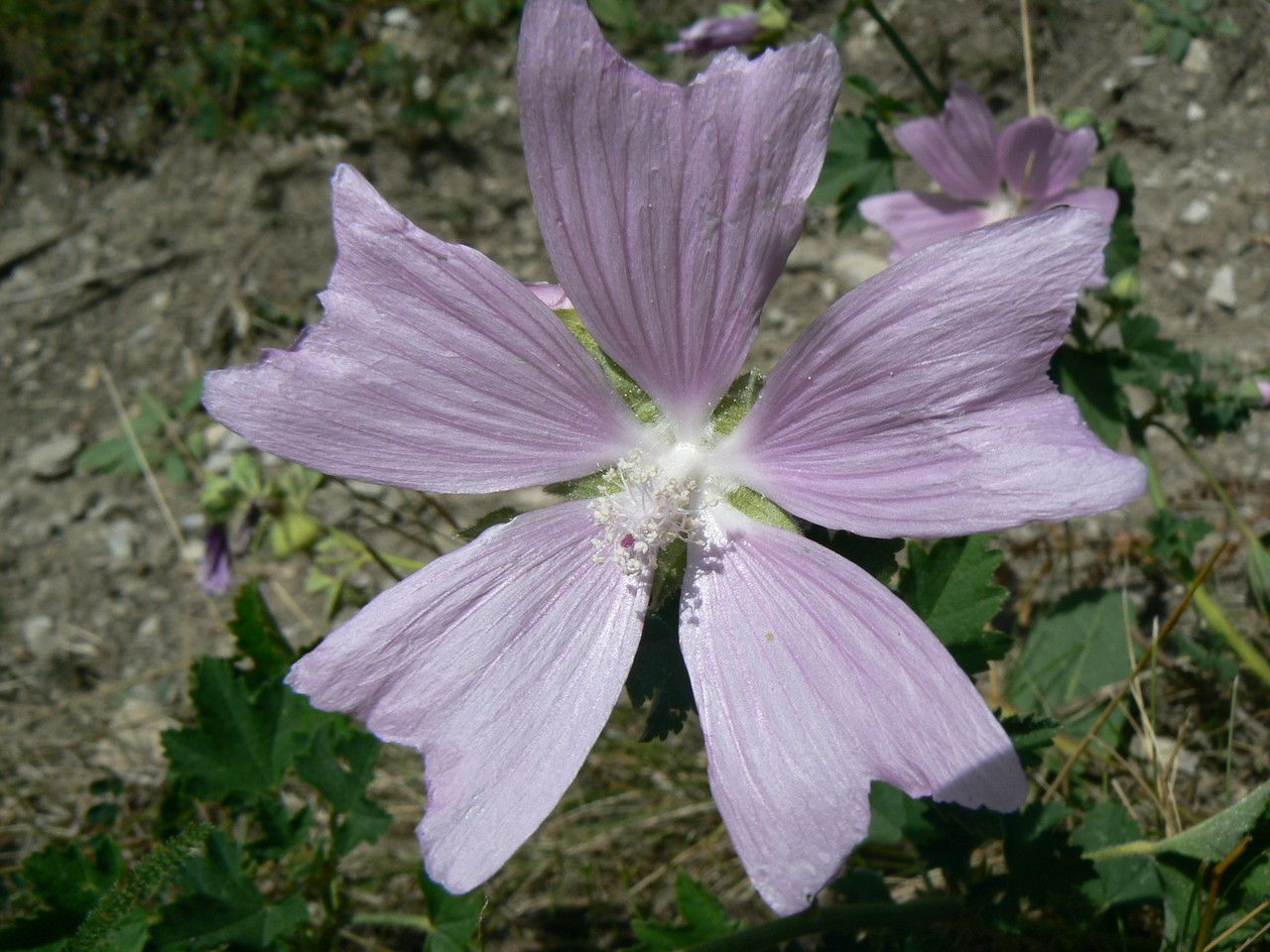
Malva longiflora, also known as the Longflower Mallow, is a captivating plant celebrated for its elegant, elongated blooms that paint gardens with vibrant hues of pink and purple. These enchanting flowers, resembling miniature hibiscus, dance gracefully on tall stems, adding a touch of charm and serenity to any landscape. If you’re eager to welcome this beauty into your garden or multiply your existing plant’s splendor, this guide will equip you with the knowledge to propagate Malva longiflora successfully.
Two Paths to Propagation:
Malva longiflora graciously offers two primary methods of propagation:
Seed Sowing: Embark on a rewarding journey by starting from seed. This method allows you to witness the entire lifecycle of your Malva longiflora, from tiny seedling to blossoming marvel.
- Timing is Key: Sow your seeds in early spring or late summer, depending on your climate. Spring sowing allows for established plants before the summer heat, while late summer sowing provides ample time for root development before winter.
- Preparation is Paramount: Use a seed starting mix that drains well. Sow the seeds about 1/4 inch deep and keep the soil consistently moist but not waterlogged.
- Patience is a Virtue: Germination can take anywhere from 2 to 4 weeks. Once your seedlings have a couple of sets of true leaves, they’re ready to be transplanted to larger pots or directly into your garden.
Cuttings: For a faster route to mature plants, cuttings are your best bet. This method involves taking a portion of an existing healthy stem and encouraging it to develop roots.
- Choose Wisely: Select young, non-flowering stems for optimal results. Ideally, cuttings should be 4-6 inches long.
- Precision is Key: Using a sharp, clean knife or pruning shears, make a clean cut just below a leaf node.
- Hormone Power: While not mandatory, dipping the cut end in rooting hormone can significantly increase the success rate and speed up root development.
- Nurturing Environment: Plant the cuttings in a well-draining potting mix, ensuring the bottom leaf node is buried. Maintain consistent moisture and humidity, perhaps by using a humidity dome or covering the pot with a plastic bag.
Transplanting Your Malva Longiflora:
Regardless of your chosen propagation method, once your plants are robust enough, it’s time to give them their permanent home.
- Choose the Perfect Spot: Malva longiflora thrives in full sun to partial shade. Select a location with well-draining soil to prevent root rot.
- Space Accordingly: Depending on your variety, space the plants 12-18 inches apart to allow for ample air circulation and prevent overcrowding.
- Water Deeply: After transplanting, water your Malva longiflora deeply to encourage root establishment.
Reap the Rewards:
With proper care and attention, your Malva longiflora will reward you with a stunning display of elegant blooms year after year. This resilient and relatively low-maintenance plant adds a touch of whimsical beauty and effortless grace to gardens, attracting pollinators and sparking joy with its enchanting presence.