
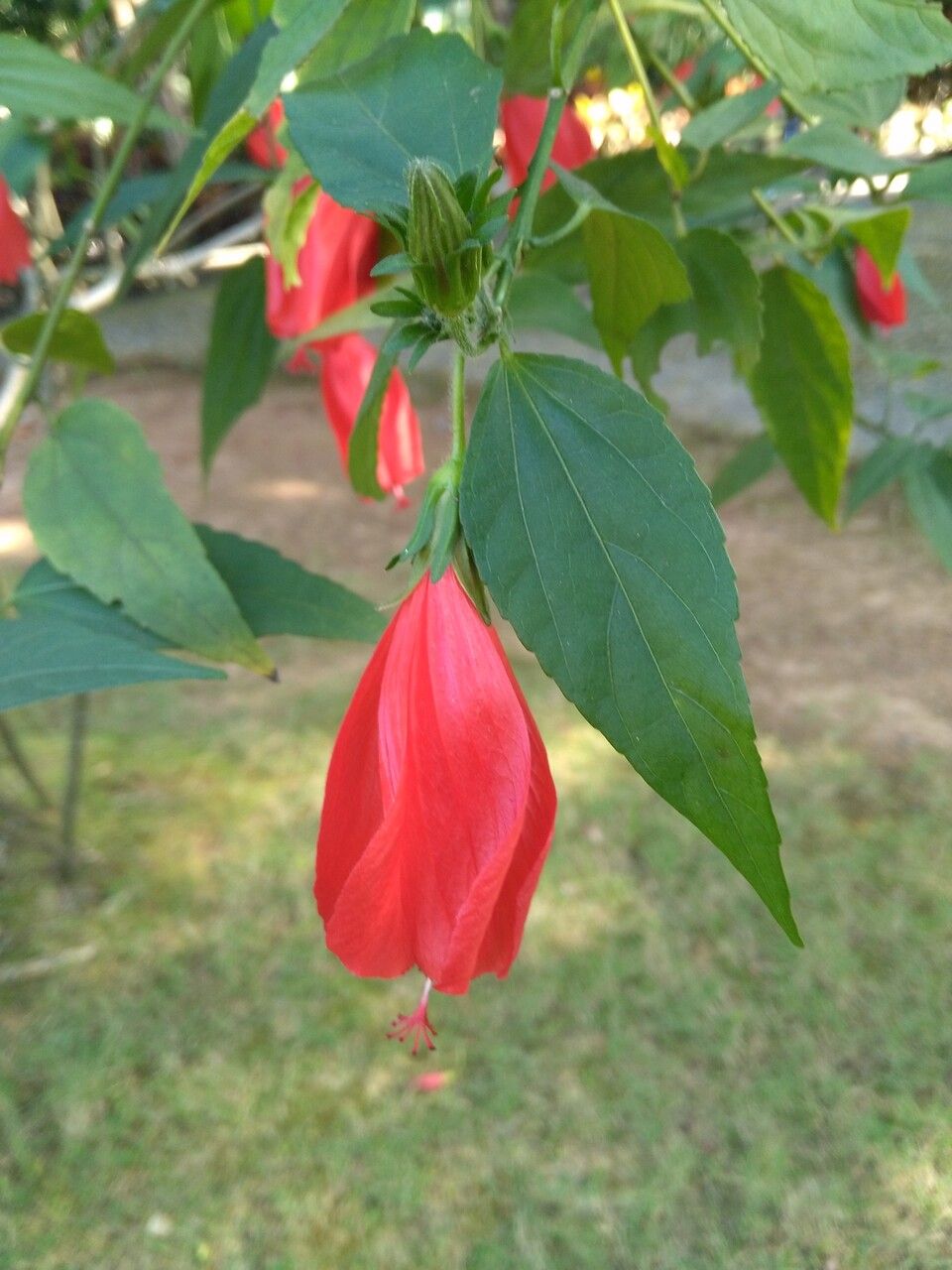
Propagating the Sleepy Hibiscus: A Gardener’s Guide to Malvaviscus penduliflorus
Introduction
Malvaviscus penduliflorus, commonly known as the Sleepy Hibiscus or Turk’s Cap, is a captivating shrub prized for its vibrant, pendulous flowers that never fully open, resembling a Turk’s fez. Its long blooming season, attractive foliage, and tolerance of various conditions make it a popular choice among gardeners. However, propagating this unique plant presents certain challenges, requiring a nuanced approach depending on the chosen method. While seed propagation is possible under ideal conditions, vegetative propagation methods generally offer greater reliability and speed.
Seed Germination
Seed germination for Malvaviscus penduliflorus is possible but notoriously difficult and unreliable. Fresh seeds have the best chance of germination, and even then, success rates are often low. The challenges include a hard seed coat requiring scarification (e.g., nicking or soaking) to improve water absorption and a relatively short viability period.
Practical Tips:
- Scarification: Soak seeds in warm water for 24-48 hours before sowing to soften the seed coat. Alternatively, carefully nick the seed coat with a sharp knife.
- Sowing Technique: Sow seeds in a well-draining seed-starting mix, barely covering them with soil. Maintain consistent moisture but avoid overwatering, which can lead to fungal diseases.
- Temperature and Light: Provide warm temperatures (around 70-75°F) and bright, indirect light. Germination can take several weeks or even months.
Rewards: Successful seed germination offers the potential for increased genetic diversity within your collection, and it’s a cost effective method for large-scale propagation if successfully mastered.
Cuttings
Propagating Malvaviscus penduliflorus via cuttings is a more reliable method than seed germination. Semi-hardwood cuttings taken in late summer or early fall generally yield the best results.
Challenges: Cuttings can be slow to root, and the success rate can vary greatly depending on environmental conditions and the quality of the cutting material.
Practical Tips:
- Cutting Selection: Use 4-6 inch cuttings from healthy, non-flowering stems. Remove lower leaves to prevent rot.
- Rooting Hormone: Dip the cut end in rooting hormone to encourage root development.
- Planting Medium: Plant cuttings in a well-draining mix (e.g., perlite and peat moss) and maintain consistently moist but not soggy conditions.
- Humidity: Cover the cuttings with a plastic dome or bag to maintain high humidity, which promotes faster rooting.
- Light: Place the cuttings in a bright, but not directly sunny location.
Rewards: Cuttings offer a faster and more reliable method compared to seed germination, ensuring the propagation of desirable traits from parent plants.
Division
Division is a viable propagation method for established Malvaviscus penduliflorus plants. This is best done during the dormant season or early spring.
Challenges: Requires a mature, healthy plant and careful handling to avoid damaging the roots. The success rate is dependent on the proper separation of root systems.
Practical Tips:
- Timing: Divide the plant during its dormant period, allowing ample time for the divisions to establish roots before the next growing season.
- Preparation: Carefully dig up the entire plant, gently loosening the root ball. Divide the plant into sections, ensuring each section has sufficient roots and stems.
- Replanting: Plant the divisions in well-prepared soil with adequate spacing. Water thoroughly after planting.
Rewards: Division is a relatively quick and efficient method for producing multiple plants from a single mature specimen and preserves the characteristics of the mother plant.
Tissue Culture
While tissue culture is a potential method, it is generally not considered practical for home propagation of Malvaviscus penduliflorus. This method requires specialized equipment, sterile conditions, and expertise in plant tissue culture techniques, making it unsuitable for most home gardeners.
Challenges: High initial investment in equipment and materials, strict aseptic environment required, technical expertise needed.
Rewards: High propagation rate, production of disease-free plants. However, this is typically left to commercial producers.
Conclusion
Propagating Malvaviscus penduliflorus presents unique challenges, with cuttings offering the most reliable method for the home gardener. While seed germination and division are possibilities, they require patience, attention to detail, and a bit of luck. Tissue culture remains a specialist’s domain. However, the satisfaction of successfully cultivating this beautiful shrub, overcoming the hurdles of propagation, significantly enhances the gardener’s connection with the plant. Don’t be discouraged by setbacks; through careful observation, experimentation, and perseverance, even the most challenging propagation methods can yield gratifying results. Embrace the process and enjoy the journey!