
Propagating Mammillaria bertholdii: A Gardener’s Guide
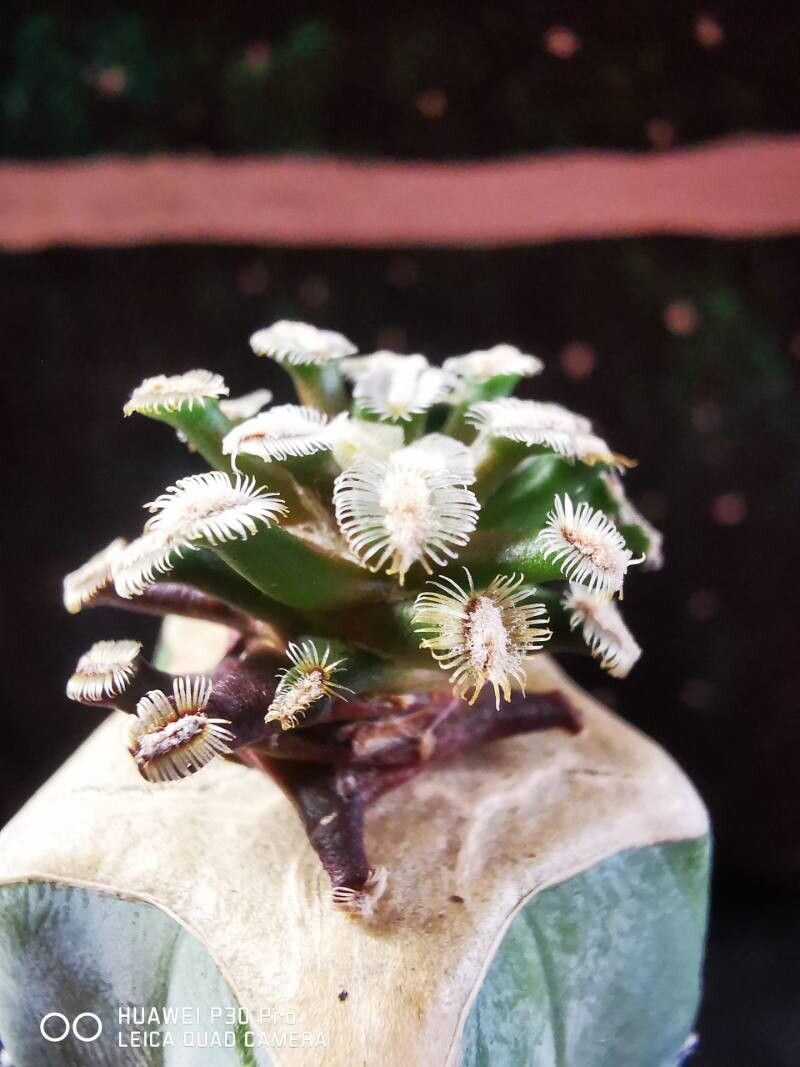
Mammillaria bertholdii, also known as the "Button Cactus," is a captivating miniature cactus prized for its small size, attractive tubercles, and delicate, pinkish flowers. Its compact growth habit and relatively slow growth rate make it a popular choice for succulent enthusiasts, terrariums, and miniature garden displays. However, its slow growth can make acquiring multiple plants a challenge, leading many to explore propagation techniques. This article explores the various methods, highlighting their challenges and rewards.
Seed Germination:
Currently, there are no known reliable methods for seed germination propagation of Mammillaria bertholdii. While seeds may be obtainable, germination rates are reportedly extremely low, even under optimal conditions. The reasons for this are likely multifactorial, potentially including dormancy mechanisms, specific environmental requirements, and susceptibility to fungal diseases during the vulnerable seedling stage. Further research is needed to determine if specialized techniques (such as specific stratification protocols or growth media) could improve seed germination success.
Cuttings:
Cuttings are generally not a viable method for propagating Mammillaria bertholdii. Unlike some other cacti that readily root from stem cuttings, Mammillaria bertholdii lacks the stem length typically required for successful propagation via this method. Attempts to root small sections often lead to rotting before root development can occur.
Division:
Division, the separation of offsets or "pups" that grow at the base of the mother plant, offers the most reliable method for propagation. This method is relatively straightforward but patience is still required.
Challenges: Mature Mammillaria bertholdii plants often produce few, if any, offsets. Even when offsets are present, their small size increases the risk of damage during separation and subsequent handling. Proper sterilization techniques (using a clean, sharp knife and allowing the cut surfaces to callus) are critical to prevent rot.
Practical Tips: Offsets should be carefully separated from the mother plant when they are large enough to handle without damaging either plant. Allow the cut surfaces to dry for a few days to form a callus before planting in well-draining cactus and succulent potting mix. Avoid overwatering, as this significantly increases the risk of rot during the rooting process.
Rewards: Division offers a high success rate and directly produces small, established plants that require less careful nurturing than seedlings. It’s quick and allows for relatively speedy increases in the number of plants.
Tissue Culture:
Tissue culture, a laboratory-based propagation method utilizing sterile plant tissues, presents a potentially viable albeit complex approach for propagating Mammillaria bertholdii.
Challenges: Tissue culture requires specialized equipment, a sterile environment, and expertise in plant tissue culture techniques. It demands significant investment and technical skill to establish and maintain. Furthermore, the exact protocols for successful Mammillaria bertholdii tissue culture may need to be developed, as published protocols are scarce.
Practical Tips: This method requires access to a tissue culture laboratory and expertise in appropriate sterilization procedures, media preparation, and plant hormone use. Finding a specialist or collaborating with a botanical garden or university who has this expertise is recommended.
Rewards: Tissue culture allows for large-scale propagation and the potential for rapid multiplication of desirable genetic traits, making it potentially valuable for conservation efforts and large-scale production of this slow-growing cactus.
Conclusion:
Propagating Mammillaria bertholdii presents unique challenges, primarily due to its small size and slow growth. While seed germination appears unreliable, division offers the most practical and accessible method for most home growers. Tissue culture provides a high-potential – yet resource-intensive – approach for large-scale propagation. The satisfaction derived from successfully propagating this charming little cactus, however, outweighs the difficulties. The patience required reinforces the appreciation for its delicate beauty and rewards the grower with an increased understanding of this fascinating plant’s unique needs and characteristics. Don’t be discouraged by early setbacks; perseverance and attention to detail are key to success in cultivating this special species.