
Untangling the Crinita: A Guide to Propagating the Hairy Pincushion Cactus
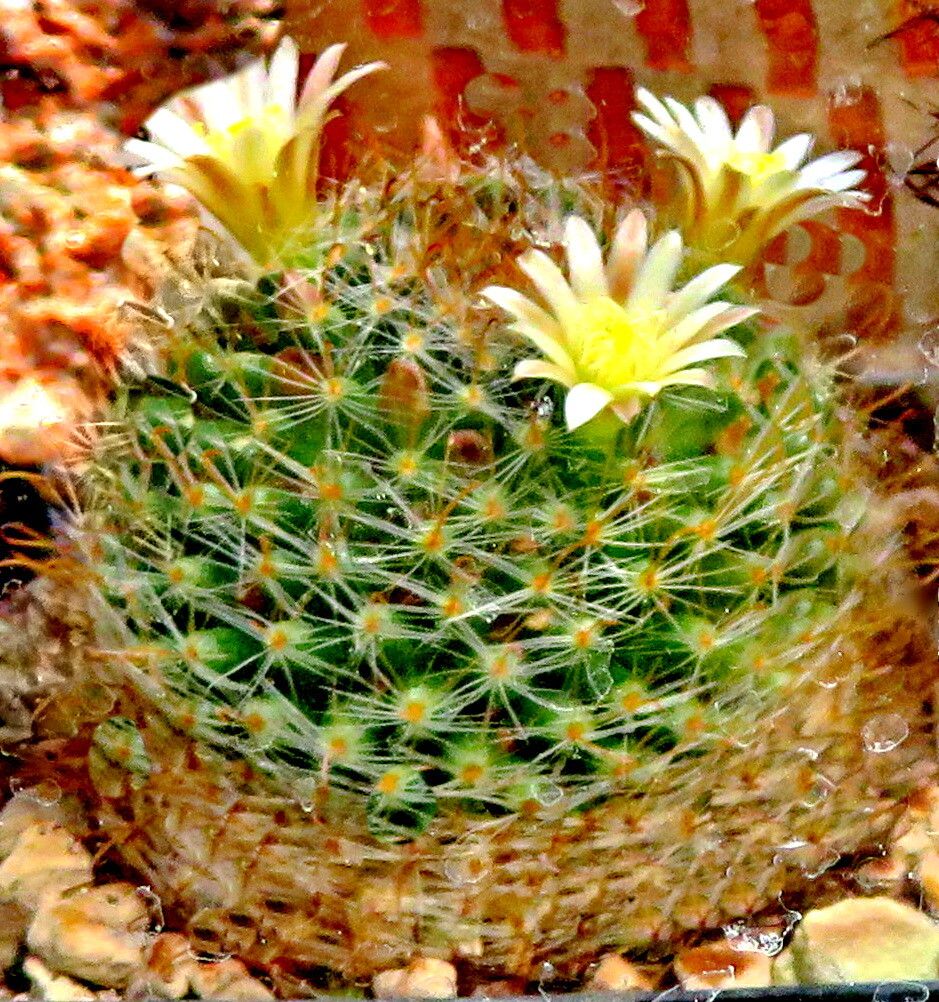
The Mammillaria crinita, affectionately nicknamed the “Hairy Pincushion Cactus,” is a delightful addition to any succulent enthusiast’s collection. This charming cactus, native to Mexico, boasts clusters of spherical stems covered in a dense layer of white, hair-like spines. But beyond its endearing looks, the crinita holds an exciting secret: it’s surprisingly easy to propagate!
This means you can easily multiply your collection or share the joy of this unique cactus with friends. Ready to delve into the world of Mammillaria crinita propagation? Let’s explore the two most common methods:
1. Offsetting: Harvesting the Cactus Pups
Mammillaria crinita are generous when it comes to producing offsets, also known as pups. These miniature versions of the parent plant sprout directly from the base, ready to take root and become independent cacti. Here’s how to propagate using offsets:
- Timing is Key: Spring and early summer, during the plant’s active growing season, is the ideal time to propagate using offsets.
- Careful Removal: Choose offsets that are at least 1 inch in diameter. Using a clean, sharp knife or pair of scissors, carefully detach the offset from the parent plant, ensuring you get a clean cut close to the base.
- Let the Wound Dry: Allow the cut surface of both the offset and parent plant to callus over. This might take a few days to a week, depending on the environment’s humidity. A dry, callused surface is crucial to prevent rot.
- Potting Time: Once callused, fill a small pot with a well-draining cactus/succulent potting mix. Gently press the offset into the soil, ensuring it’s upright and stable.
- Water Wisely: Initially, water sparingly. Only water once the soil has completely dried out. Overwatering can lead to root rot, especially in newly planted offsets.
2. Seed Propagation: A Test of Patience
While slightly more time-consuming, propagating Mammillaria crinita from seeds offers a rewarding experience. Here’s a step-by-step guide:
- Sourcing Seeds: Acquire seeds from a reputable supplier or, if you’re lucky, collect them from a mature, flowering crinita.
- Preparing for Sowing: Use a well-draining, seed-starting mix or create your own using a combination of peat moss, perlite, and sand. Spread the seeds evenly over the surface, avoiding overcrowding. Lightly press them in, but don’t bury them.
- Creating a Humid Environment: Cover the seed tray with plastic wrap or use a humidity dome to maintain a warm, moist environment. Place the tray in a bright location, out of direct sunlight.
- Patience is Key: Germination can take anywhere from a few weeks to a couple of months. During this time, ensure the soil remains consistently moist by misting it regularly.
- Transplanting Time: Once the seedlings are large enough to handle (about the size of a pea), you can gently transplant them into individual pots. Remember to use a well-draining cactus mix and provide bright, indirect light.
Propagating your Mammillaria crinita is an excellent way to expand your collection while deepening your connection with this unique cactus. With a little patience and care, you’ll be rewarded with a bevy of adorable, hairy pincushions to brighten your home!