
Propagating Mammillaria hernandezii: A Gardener’s Guide
Introduction:
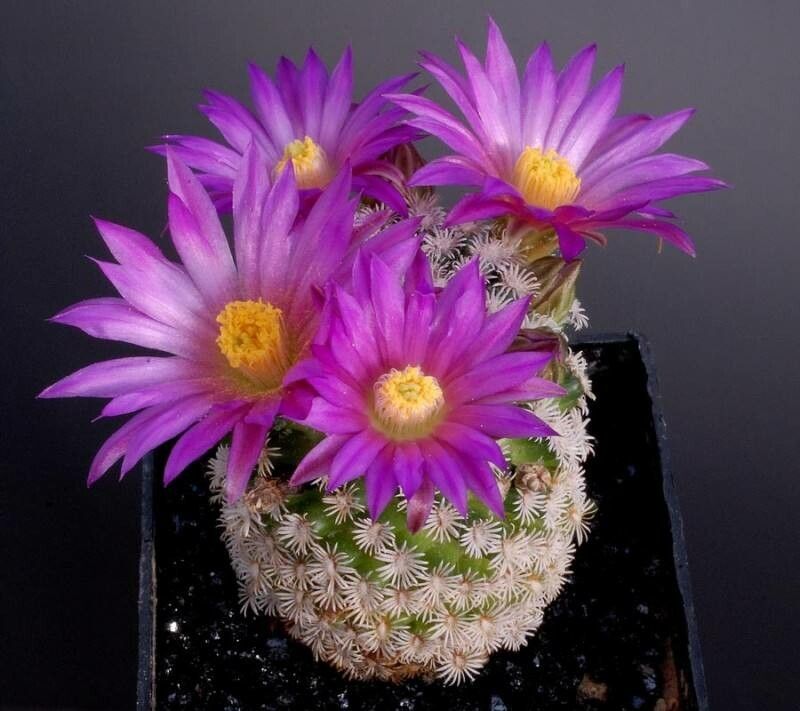
Mammillaria hernandezii, also known as the "Bishop’s Cap" cactus, is a highly sought-after succulent appreciated for its distinctive, clustered growth habit and charming, small, pinkish flowers. Its relatively compact size and appealing aesthetic make it a popular choice for both seasoned cactus enthusiasts and beginner gardeners. However, propagating this species can present unique challenges. This article explores various methods, outlining their viability, associated difficulties, and potential rewards.
Seed Germination:
Seed germination is a viable method for propagating Mammillaria hernandezii, albeit one that requires patience and attention to detail.
Challenges: Mammillaria seeds are notoriously tiny and can be susceptible to fungal diseases, especially in humid environments. Germination rates can be unpredictable, influenced by seed age and storage conditions.
Tips: Sow seeds in a well-draining cactus and succulent potting mix, ensuring excellent drainage. Maintain a consistently warm temperature (around 70-75°F or 21-24°C) and provide bright, indirect light. Avoid overwatering, which can lead to damping-off. Consider using a sterilised sowing medium to minimize fungal risks. Some sources suggest a brief period of warm stratification (a few weeks in warm, moist conditions) might improve germination rates, but this isn’t universally confirmed.
Rewards: Successfully germinating Mammillaria hernandezii seeds offers the reward of genetic diversity within the resulting plants, potentially leading to variations in growth habit or flower color. It also allows for large-scale propagation, if desired.
Cuttings:
Cuttings are generally not a reliable propagation method for Mammillaria hernandezii. This cactus does not readily produce offsets or stems suitable for vegetative propagation. Attempts to root stem cuttings are likely to fail due to the plant’s physiology.
Division:
Division is a potentially viable method for propagating Mammillaria hernandezii, but only applicable when the plant has formed multiple distinct heads or clumps.
Challenges: Care must be taken to avoid damaging the delicate roots during separation. Individual heads must have a sufficient root system to ensure survival. Improper division can lead to plant failure.
Tips: Divide the plant only when it’s actively growing. Use a sharp, sterile knife or tool to separate the clumps, ensuring each division retains a good portion of roots and stem. Allow the cut surfaces to callus over for a few days before planting in well-draining cactus mix. Water sparingly initially to prevent rot.
Rewards: Division offers a faster propagation method compared to seeds, resulting in mature plants more quickly. It maintains the genetic consistency of the parent plant.
Tissue Culture:
Tissue culture is a highly effective, albeit specialized, method for propagating Mammillaria hernandezii.
Challenges: Tissue culture requires a sterile laboratory setting, specialized equipment, and a thorough understanding of plant tissue culture techniques. It’s not a practical option for home gardeners.
Tips: This method requires specialized knowledge and equipment beyond the scope of this article. It’s best left to commercial propagators or research institutions.
Rewards: Tissue culture overcomes many of the limitations of seed germination or division. It allows for rapid, large-scale propagation of genetically uniform plants, free from diseases.
Conclusion:
Propagating Mammillaria hernandezii presents unique challenges depending on the method employed. Seed germination offers genetic diversity but requires patience and careful attention to detail. Division is a faster method but limited by the plant’s growth habit. Cuttings are generally unsuccessful. Tissue culture presents a highly effective but specialized method outside the capabilities of most hobbyists. Despite the hurdles, the satisfaction of successfully cultivating and propagating this charming cactus is significant. The rewards of witnessing these tiny seeds sprout or a divided clump thrive into healthy plants outweigh the difficulties, providing a unique sense of accomplishment for any dedicated gardener. Don’t be discouraged by initial setbacks; persistence and attention to detail are key to success in propagating Mammillaria hernandezii.