
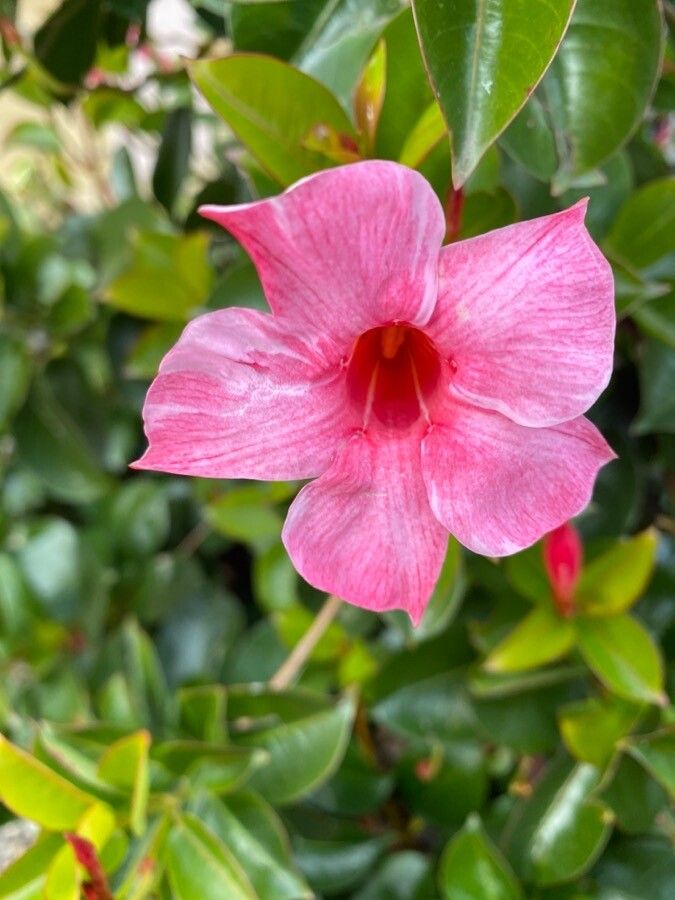
Propagating the Chilean Jasmine: A Gardener’s Guide to Mandevilla laxa
Mandevilla laxa, commonly known as Chilean Jasmine, is a captivating vine renowned for its profuse display of fragrant, trumpet-shaped blooms in shades of white, cream, or pale yellow. Its cascading habit and delicate beauty make it a prized addition to gardens, patios, and hanging baskets, explaining its enduring popularity among gardeners. However, propagating this stunning climber presents unique challenges. This guide explores various propagation methods, weighing their viability and offering practical advice.
Seed Germination:
Currently, there are no known reliable methods for seed germination propagation of Mandevilla laxa. While seeds may be produced, their germination rate is extremely low, and successful propagation through this method is generally considered impractical for the home gardener.
Cuttings:
Cuttings represent the most widely used and reliable method for propagating Mandevilla laxa.
Challenges: The main challenge lies in achieving successful rooting. Mandevilla cuttings are prone to fungal diseases and rot if not provided with optimal conditions.
Practical Tips:
- Timing: Take semi-hardwood cuttings in late spring or early summer, selecting healthy, non-flowering stems about 4-6 inches long.
- Preparation: Remove lower leaves, leaving 2-3 at the top. Dip the cut end in rooting hormone powder to stimulate root development.
- Planting: Plant cuttings in a well-draining, moist propagation mix (e.g., a blend of perlite and peat moss). Maintain high humidity by covering the cuttings with a plastic bag or cloche, ensuring adequate ventilation to prevent fungal growth.
- Environment: Place cuttings in a warm, bright location out of direct sunlight. Consistent moisture is crucial, but avoid overwatering. Rooting typically takes 4-6 weeks.
Rewards: Cuttings offer a relatively straightforward path to propagating genetically identical plants, ensuring the preservation of desirable traits.
Division:
Division is generally not a practical method for propagating Mandevilla laxa. Unlike some plants with rhizomes or tubers, Mandevilla laxa doesn’t readily lend itself to being divided into separate, viable plants.
Tissue Culture:
Tissue culture offers a sophisticated method with potentially high success rates for mass propagation of Mandevilla laxa.
Challenges: This technique requires specialized equipment, a sterile environment, and expertise in plant tissue culture protocols. It’s not a feasible option for the average home gardener.
Practical Tips: (Only for those with laboratory facilities and experience) Explant suitable plant tissues onto a nutrient-rich agar medium under sterile conditions. Regular sub-culturing and maintenance are necessary for optimal growth and multiplication.
Rewards: High propagation rates and the ability to produce disease-free plants on a large scale.
Conclusion:
Propagating Mandevilla laxa presents unique challenges, with cuttings proving the most accessible and reliable approach for home gardeners. While seed germination is impractical, and division is not feasible, tissue culture offers a high-yield alternative for commercial propagation. The rewards – the beauty of a flourishing Chilean Jasmine cultivated from a cutting – are well worth the effort involved. The satisfaction derived from watching a small cutting develop into a vibrant, flowering vine is a testament to the patience and perseverance of the gardener. For aspiring propagators, it’s crucial to maintain patience, pay close attention to detail, and remember that even with seemingly straightforward methods like cuttings, success hinges on consistent care and attention. Don’t be discouraged by initial setbacks; learning from each attempt brings you closer to achieving your own blooming success.