
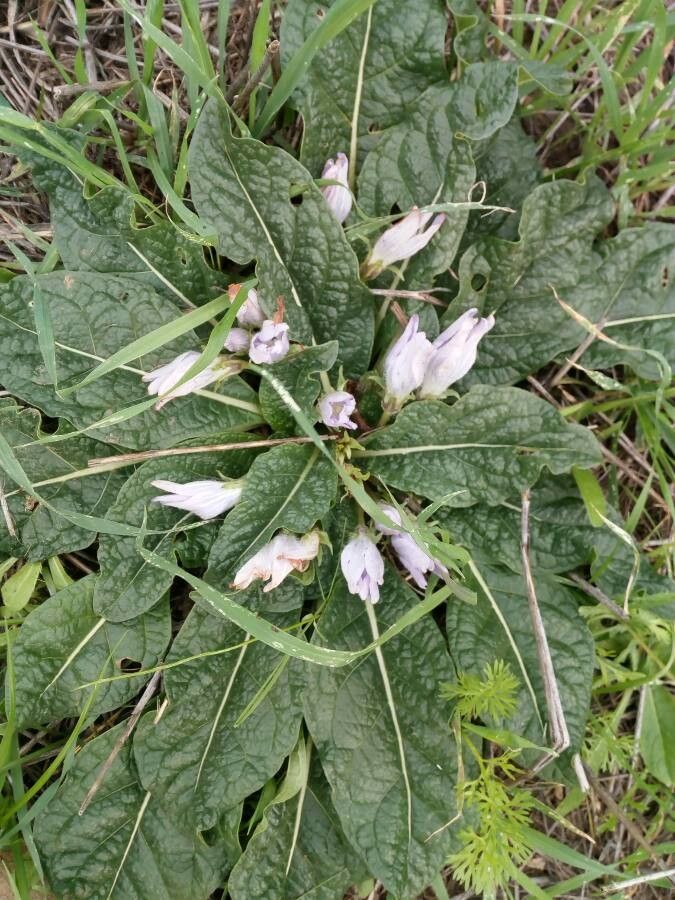
From Seed to Spellbinding: Propagating the Magical Mandrake
The Mandrake, with its mythical history and captivatingly eerie appearance, has captivated imaginations for centuries. While the screaming root of folklore is purely fictional, the real-life Mandragora autumnalis is a fascinating plant with a unique charm. But if you’re looking to cultivate this enchanting species, you’re in for a bit of a magical journey – propagating mandrakes requires patience and a touch of understanding.
A Touch of the Arcane: Getting Started
Mandrakes are not the easiest plants to propagate, so it’s advisable to start with a few seeds from a reputable source. They are best sown in the early spring, allowing the warm weather to encourage germination.
Here’s your spellbinding guide to propagating mandrakes:
1. Prepare the Soil: Mandrakes thrive in well-drained, fertile soil. A mix of loam, compost, and sand provides the perfect balance of nutrients and drainage.
2. Seed Sowing: Sow the seeds shallowly, only covering them with a thin layer of soil. Remember, mandrake seeds require light for germination, so don’t bury them too deep.
3. The Magic of Moisture: Keep the soil consistently moist but not waterlogged. A light misting or gentle watering is ideal.
4. The Patience of a Sorcerer: Patience is key! Mandrake seeds take several weeks to germinate, sometimes even months. Don’t be disheartened if you don’t see sprouts immediately.
5. Nurturing the Sprout: Once the seedlings emerge, they need a bright but indirect light source. As they grow, they can be gradually acclimated to full sun.
6. Time for a Transplant: When the seedlings have developed a few true leaves, they’re ready for a transplant. Choose a well-drained location with plenty of sunlight.
7. The Mandrake’s Magic: After transplanting, continue to water regularly and provide the plant with a balanced fertilizer. With proper care, your mandrake will flourish, producing its distinctive rosette of leaves and, eventually, enchanting yellow flowers.
Why Propagate Mandrakes?
Beyond the captivating mystique, there are practical reasons to grow mandrakes:
- Medicinal Properties: While not a cure-all, mandrakes have been used traditionally for medicinal purposes, thanks to their powerful alkaloids. However, always use caution and consult with healthcare professionals before using any plant for medicinal purposes.
- Botanical Curiosity: The unique appearance and history of mandrakes make them a fascinating addition to any garden or windowsill.
- A Touch of the Unusual: A mandrake plant adds a touch of magic to your home, sparking conversation and igniting curiosity among guests.
A Word of Caution
Remember, the potent alkaloids in Mandragora autumnalis make it toxic. Although beautiful, handling this plant requires caution. Avoid ingesting any part of the plant, and wash your hands thoroughly after handling it.
From Seed to Spell:
Propagating mandrakes is a unique and rewarding experience. While it requires patience and meticulous care, the journey of nurturing a mandrake from seed to maturity is a captivating blend of botanical wonder and ancient lore. So, if you’re seeking a touch of magic in your life, consider embracing the art of mandrake propagation. Just remember, with great power comes great responsibility, and with a mandrake comes a unique and enchanting experience.