
From Seed to Shade: Propagating the Majestic Manilkara obovata
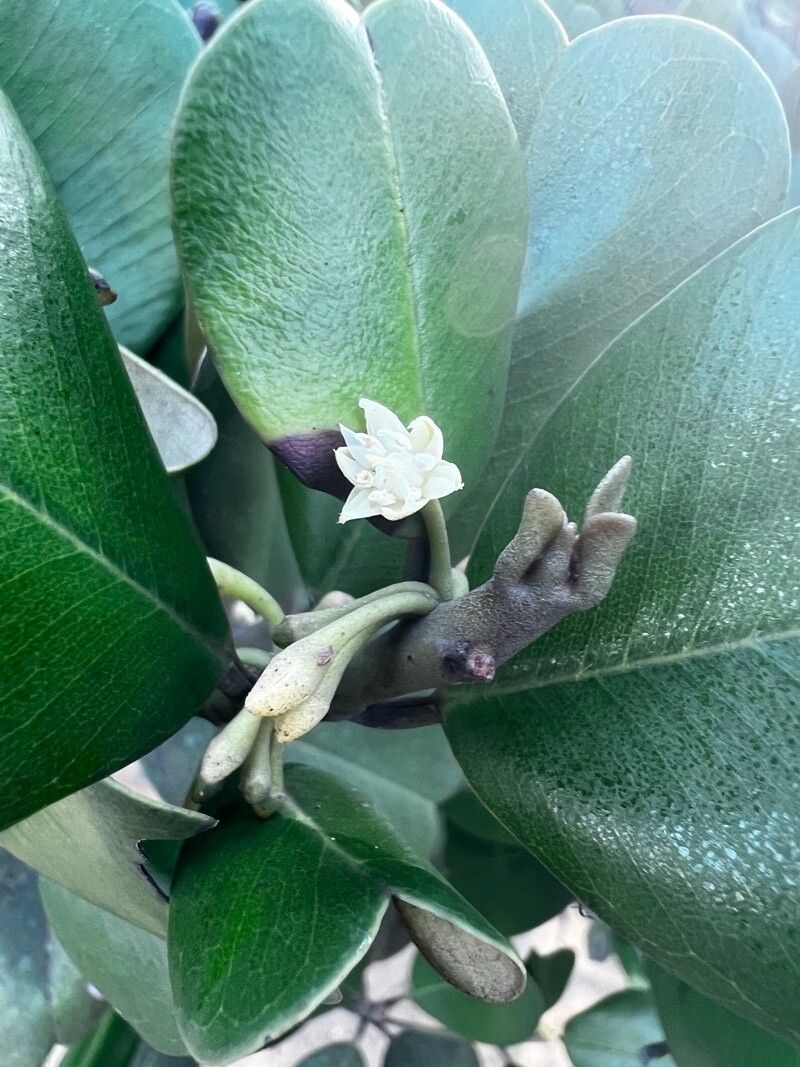
The Manilkara obovata, a striking tree native to the Caribbean and Central America, is a true showstopper. Its dense, evergreen foliage provides ample shade, while its glossy leaves and beautiful white flowers add a touch of elegance to any landscape. But did you know you can bring this majestic tree into your own garden?
Propagating Manilkara obovata is a rewarding experience, whether you’re seeking to expand your own garden or contribute to the conservation of this valuable species. Let’s delve into the two main methods:
1. Seed Propagation: A Journey from Seed to Sapling
- Collecting the Seeds: The journey begins with fresh, viable seeds. These can be collected from ripe fruits, which are typically brown or purplish-black when ready. Once collected, gently remove the pulp and thoroughly wash the seeds to prevent mold formation.
- Pre-Germination Treatment: Manilkara obovata seeds have a hard seed coat that can inhibit germination. To overcome this barrier, use a technique called scarification. This involves nicking or scraping the seed coat with a sharp knife or sandpaper. Alternatively, you can soak the seeds in hot water (around 80°C) for approximately 24 hours.
- Sowing Seeds: After the pre-treatment, sow the seeds in a seed tray filled with a well-draining potting mix. Cover them lightly with soil and water thoroughly. Keep the seed tray in a warm, humid environment, ideally under partial shade.
- Germination and Care: Germination can take several weeks, so patience is key! Once the seedlings emerge, ensure they receive adequate sunlight and water. Gradually acclimatize them to full sun as they mature.
2. Vegetative Propagation: Cloning the Best of the Best
If you’re looking for a faster and more consistent way to propagate Manilkara obovata, vegetative propagation is the way to go. This method involves taking cuttings from established trees and encouraging them to develop new roots.
- Cuttings: Choose healthy, young shoots from the tree. Cuttings should be about 6-8 inches long and should ideally include a node (point where leaves grow).
- Rooting Hormones: Treat the cut end of the cuttings with rooting hormone powder or liquid. This will encourage root development.
- Planting: Plant the cuttings in a well-draining mix and water frequently until they establish roots. You can use rooting trays or individual pots for this purpose. Place them in a warm, humid environment under partial shade.
- Care: Keep the cuttings moist, but not soggy. Water them regularly and use a misting bottle to provide additional humidity. Once the cuttings show signs of new growth, you can gradually acclimatize them to full sun.
Considerations for Both Methods:
- Climate: Manilkara obovata prefers a warm, humid climate similar to its natural habitat. Ensure you provide optimal conditions for growth.
- Patience: Propagation can take time. Be patient and consistent with your watering and care regime.
- Environmental Benefits: By propagating your own Manilkara obovata, you can contribute to the preservation of this important species and enjoy the benefits of its shade and beauty.
Conclusion:
Whether you choose seed propagation or vegetative propagation, growing your own Manilkara obovata is a rewarding experience. By following these steps and providing the right care, you can witness the transformation of a seed or cutting into a majestic tree that will grace your garden for years to come. And who knows, you might even inspire others to cultivate this remarkable species, spreading its beauty and ecological benefits far and wide.