
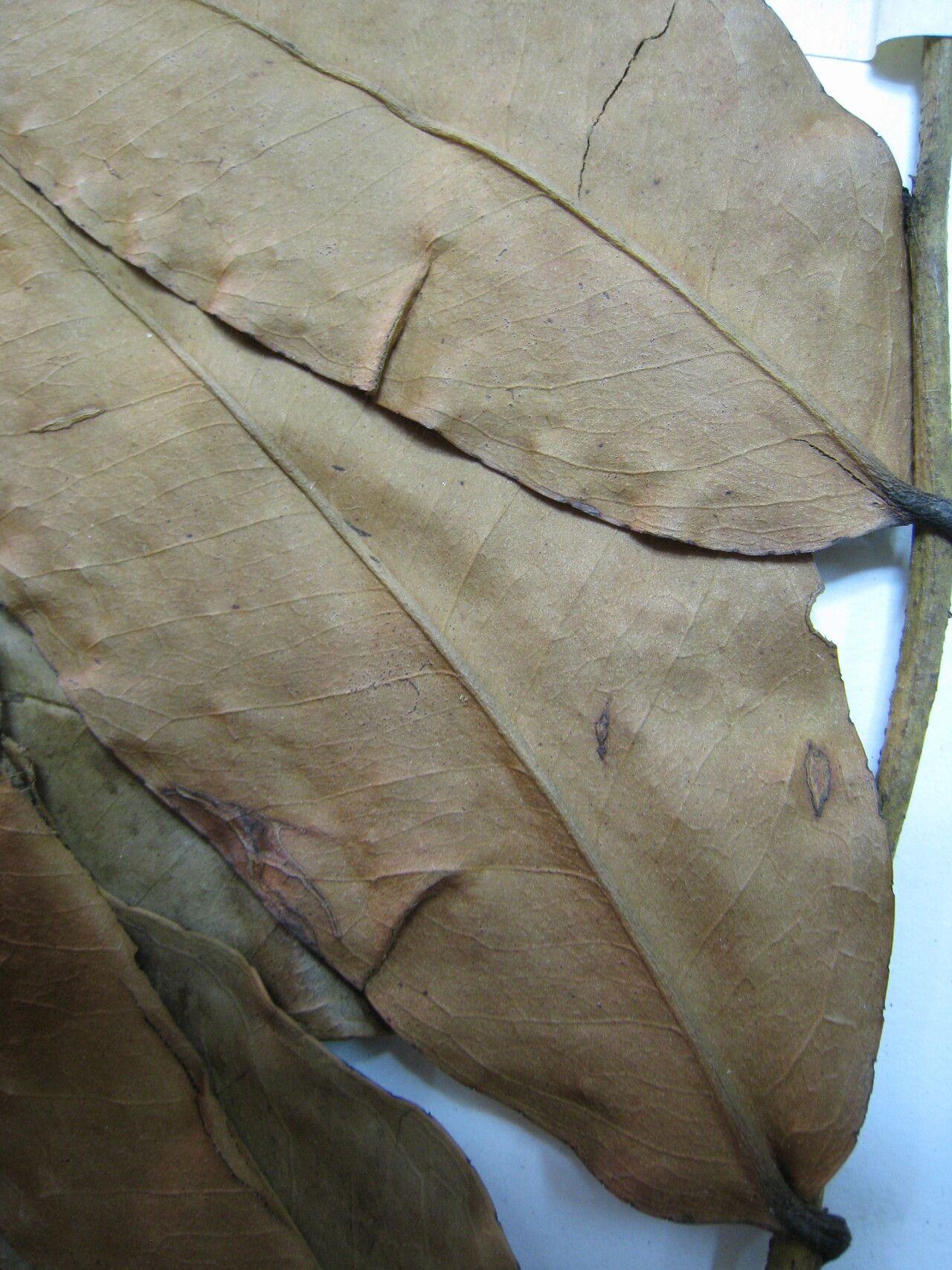
Unlocking the Secrets of the Shingle Plant: Propagating Marcgravia purpurea
The Marcgravia purpurea, with its cascading stems and unique, shingle-like leaves, is a true showstopper in the world of tropical plants. Often referred to as the “Shingle Plant” or “Purple Bracelet Vine,” this climbing beauty can transform any space into a lush, tropical paradise. But successfully propagating this stunning species can feel like a mystery, even for experienced plant parents. Fear not! We’ll demystify the process and equip you with the knowledge to grow your own Marcgravia purpurea.
Understanding the Basics
Before diving into the specifics, it’s important to note that Marcgravia purpurea is typically propagated through two main methods: stem cuttings and air layering.
1. The Art of Stem Cuttings
Stem cuttings are the most common and accessible method for propagating many plants, including the Shingle Plant. Here’s what you need to do:
- Timing is Key: The best time to take cuttings is during the active growing season, ideally in spring or early summer.
- Selecting the Perfect Cutting: Look for healthy, non-flowering stems that are at least 4-6 inches long with several nodes. Nodes are the small bumps on the stem where leaves emerge.
- Making the Cut: Using sterilized pruning shears or a sharp knife, cut the stem at a 45-degree angle just below a node.
- Preparing the Cutting: Remove the lower leaves from the cutting, leaving only a few leaves at the top.
- Rooting Hormone (Optional): While not essential, dipping the cut end in rooting hormone can encourage faster and more successful root development.
- Planting the Cutting: Plant the cutting in a well-draining rooting medium, like a mixture of perlite and peat moss. Ensure the bottom node is buried in the soil.
- Creating a Humid Environment: Cover the pot with a clear plastic bag or use a humidity dome to maintain moisture and create a mini greenhouse effect.
- Patience is Virtue: Place the cutting in a warm, bright location, out of direct sunlight. It may take several weeks or even a couple of months for roots to develop.
2. Mastering Air Layering
Air layering is a slightly more advanced technique, but it boasts a higher success rate, especially for propagating larger and more mature Marcgravia purpurea plants. Here’s a step-by-step guide:
- Choosing the Right Branch: Select a healthy, mature stem that is at least 1/2 inch thick.
- Wounding the Stem: Make a small, upward-angled cut about 1-2 inches long on the chosen branch, about 12-18 inches from the tip. You can also gently scrape away a ring of bark around the stem.
- Applying Rooting Hormone (Optional): Apply a small amount of rooting hormone to the wounded area to stimulate root development.
- Creating a Moss Wrap: Wrap the wounded area with damp sphagnum moss, ensuring it’s tightly packed around the wound.
- Securing the Wrap: Secure the moss in place by wrapping it with plastic wrap or aluminum foil.
- Maintaining Moisture: Keep the moss consistently moist by spritzing it with water regularly.
- Patience is Key: Within a few weeks to a few months, you should start seeing roots developing within the moss wrap.
Separating the Layered Branch: Once you see a healthy root system, carefully cut the layered branch below the root ball and pot it up in a well-draining soil mix.
Tips for Success:
- Choose healthy parent plants: The success of your propagation largely depends on the health of the original plant.
- Maintain sterile conditions: Sterilize your cutting tools and use clean potting mix to prevent infections.
- Provide consistent warmth and humidity: These tropical plants thrive in warm, humid environments.
- Don’t be afraid to experiment: Every plant and environment is different. Don’t be discouraged if your first attempt isn’t perfect.
With patience and these tips, you can unlock the secrets of propagating Marcgravia purpurea and enjoy the lush beauty of this tropical vine for years to come!