
Unfurling the Secrets of Marsilea batardae Propagation: A Beginner’s Guide to Multiplying the Four-Leaf Clover Fern
Marsilea batardae, fondly nicknamed the Four-Leaf Clover Fern for its charming foliage, brings a touch of whimsy and natural elegance to any space. This aquatic fern, with its distinctive four-lobed leaves resembling lucky clovers, is surprisingly easy to propagate, even for beginner plant enthusiasts. Whether you want to expand your collection or share the joy of this unique plant with friends, mastering the art of Marsilea batardae propagation is a rewarding endeavor.
This comprehensive guide delves into the two primary methods for multiplying your Marsilea batardae:
1. Rhizome Division:
Rhizome division is the most common and straightforward method for propagating Marsilea batardae. Here’s how to do it:
- Timing is Key: The ideal time for division is during the active growing season, typically spring or early summer.
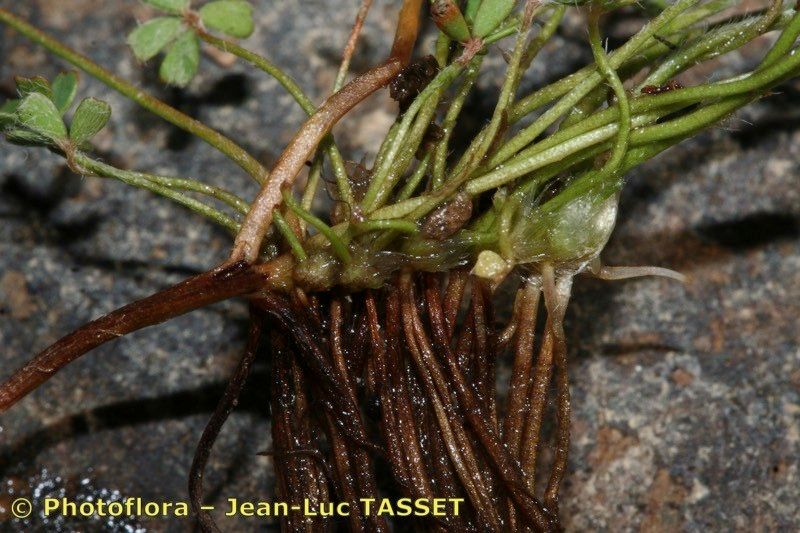
- Gently Remove and Inspect: Carefully lift your Marsilea batardae from its pot or container. Shake off excess soil to reveal the rhizome, a horizontal stem that grows beneath the soil surface.
- Divide and Conquer: Identify healthy sections of the rhizome with at least two to three growth points (nodes). Using clean, sharp scissors or a blade, divide the rhizome into smaller sections, ensuring each has sufficient roots and leaves.
- Repot with Care: Prepare small pots or a tray with suitable substrate. A well-draining, nutrient-rich aquatic potting mix or a blend of sand and loam is ideal. Plant the divided rhizome sections about an inch below the soil surface, ensuring the growth points face upward.
- Water and Provide Ample Light: Thoroughly water the newly potted divisions, ensuring the substrate is evenly moist but not waterlogged. Place the pots in a location with bright, indirect light. Avoid direct sunlight, which can scorch the delicate leaves.
2. Sporocarp Propagation (Advanced):
While slightly more challenging, propagating Marsilea batardae from sporocarps, the small, hard structures produced on mature plants, offers a fascinating glimpse into the fern’s life cycle.
- Sporocarp Collection: Locate mature sporocarps, which are typically brown and located near the base of the plant.
- Scarification (Optional): To enhance germination rates, you can gently scarify the hard outer shell of the sporocarps. This can be done by lightly nicking the shell with a file or sandpaper.
- Sow the Spores: Fill a shallow tray with a sterile seed-starting mix or a fine-textured aquatic substrate. Scatter the sporocarps on the surface and lightly mist with water.
- Create a Humid Environment: Cover the tray with a clear plastic lid or wrap to maintain humidity and warmth. Place the tray in a well-lit area but out of direct sunlight.
- Patience is Paramount: Germination from sporocarps can take several weeks or even months. Once the sporelings emerge and develop a few leaves, you can carefully transplant them into individual pots.
Caring for Your New Propagations:
Irrespective of the chosen propagation method, consistent care is crucial for the successful establishment of your new Marsilea batardae plants. Maintain a consistently moist environment, fertilize lightly during the growing season, and shield your young ferns from extreme temperatures and harsh sunlight.
Propagating Marsilea batardae is not just a process; it’s a gratifying journey that brings you closer to the wonders of the plant world. Mastering these techniques allows you to expand your collection sustainably and share the magic of the four-leaf clover fern with fellow plant lovers. So, roll up your sleeves, gather your tools, and embark on the rewarding journey of Marsilea batardae propagation!