
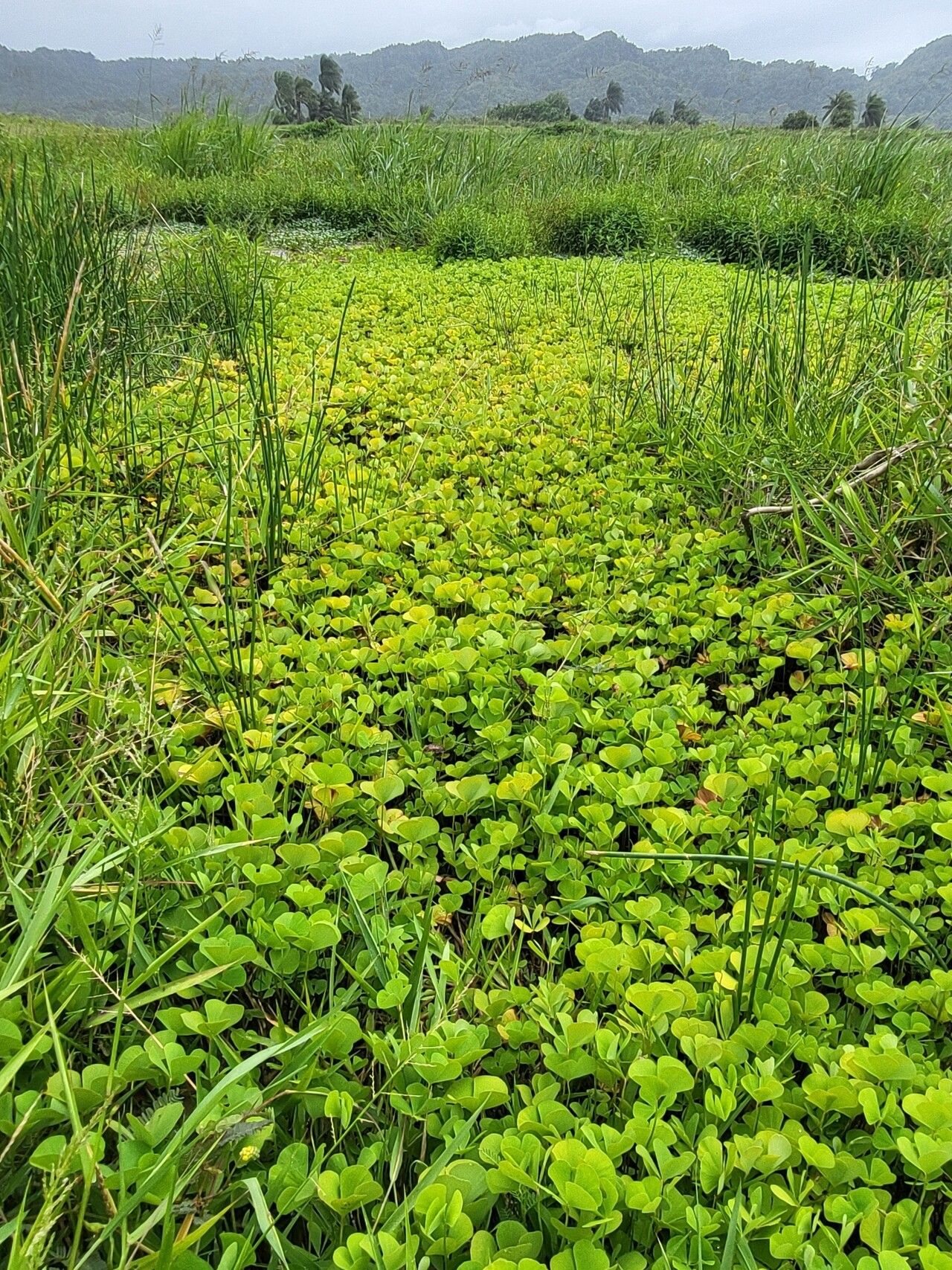
Unlocking the Secrets of Marsilea polycarpa Propagation: A Step-by-Step Guide
Marsilea polycarpa, with its charming four-leaf clover appearance, is a captivating aquatic plant that can bring a touch of magic to any aquarium or pond. While its delicate beauty might seem intimidating to propagate, fear not! This guide delves into the straightforward methods of multiplying your Marsilea polycarpa, allowing you to enjoy its unique charm in abundance.
Understanding the Basics:
Before diving into propagation, it’s helpful to understand how Marsilea polycarpa grows. This fascinating plant spreads through rhizomes, which are modified stems that grow horizontally, sending out roots and new shoots at nodes along their length. This natural growth pattern provides the basis for our propagation techniques.
Two Paths to Propagation:
1. Division:
- Timing is Key: Spring and early summer are ideal, coinciding with the plant’s natural growth spurt.
- Gently Does It: Carefully remove the plant from its substrate, taking care not to damage the rhizomes.
- Divide and Conquer: Identify healthy sections of rhizome with at least 2-3 nodes and a healthy set of leaves. Using sharp, sterilized scissors or a blade, cleanly cut the rhizome at these points.
- Replanting: Gently plant the divided sections in your desired substrate, ensuring the rhizome is buried just below the surface. Leave some space between each section to allow for growth.
2. Spore Propagation (Advanced):
- Sporocarp Formation: Mature plants may develop bean-like sporocarps on submerged leaves. These structures contain spores and resemble small, dark beads.
- Harvesting and Drying: Carefully collect ripe sporocarps that easily detach from the leaves. Allow them to dry completely.
- Scarification & Soaking: To break dormancy, gently scratch the surface of the sporocarps with a sterilized file or sandpaper. Soak them in dechlorinated water for 24 hours.
- Sowing the Spores: Prepare a shallow tray filled with a mixture of sand and peat moss, keeping it consistently moist. Sprinkle the soaked sporocarps on the surface and cover lightly with a thin layer of the substrate.
- Patience is a Virtue: Germination can take several weeks. Ensure the tray remains in a warm, well-lit location, avoiding direct sunlight. Once seedlings develop a few leaves, they can be carefully transferred to their permanent home.
Caring for Your New Propagations:
Provide bright, indirect light and maintain a water temperature between 72-82°F (22-28°C) for optimal growth. Employing a nutrient-rich substrate and supplementing with a liquid fertilizer designed for aquatic plants will further encourage robust growth.
Enjoying the Fruits (or Leaves) of Your Labor:
Propagating Marsilea polycarpa is a rewarding experience that allows you to multiply your plant collection while gaining a deeper understanding of this intriguing species. With a bit of patience and care, you’ll soon have a thriving underwater clover patch, adding a touch of natural elegance to your aquatic world.