
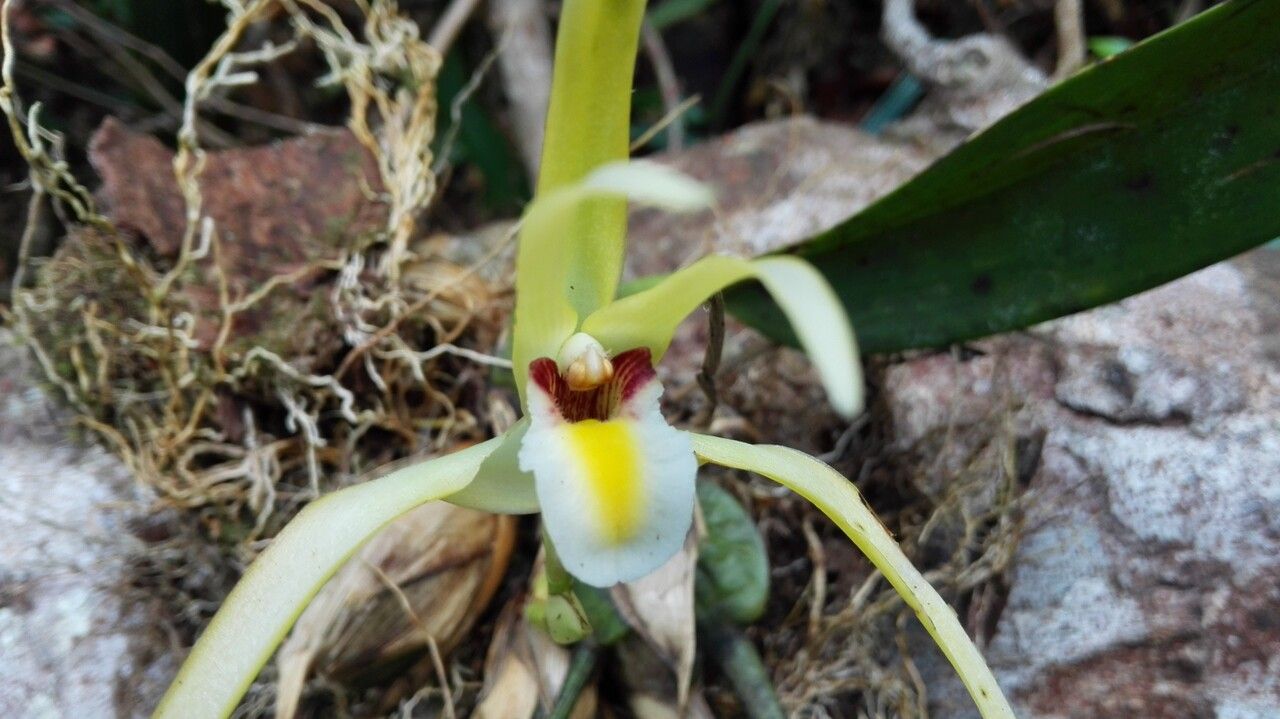
From One to Many: Unlocking the Secrets to Propagating Maxillaria endresii
The Maxillaria endresii, with its captivating petite flowers adorned in shades of deep purple and yellow, is a true gem for any orchid enthusiast. But what if you could share its beauty with others, or simply expand your own collection? The good news is, propagating Maxillaria endresii is achievable, even for beginner growers. Let’s delve into the fascinating world of orchid propagation and unlock the secrets to multiplying your Maxillaria endresii plants.
Understanding the Basics of Propagation
Orchid propagation essentially means creating new plants from existing ones. There are two main methods commonly used for Maxillaria endresii:
- Division: Similar to splitting a clump of bulbs, this method involves separating portions of the plant that contain healthy roots and shoots. Each separated segment will then develop into an independent plant.
- Keiki (Baby Plant) Production: Some Maxillaria endresii produce keikis, which are miniature versions of the parent plant. These keikis can be carefully separated and grown into full-sized orchids.
The Art of Division: A Step-by-Step Guide
- The Right Time: The best time to divide your Maxillaria endresii is after flowering, preferably during the active growth period.
- Preparation: Carefully remove your plant from its pot and gently loosen the roots.
- Division: Using a sharp, sterilized knife or pruning shears, divide the plant into sections, ensuring each section has a healthy root system and at least one growth point.
- Repotting: Plant each division in a well-draining orchid potting mix, ensuring the roots are spread out and not overcrowded.
- Care: Water well and keep the divided plants in a warm, humid, and brightly lit environment.
Keiki Propagation- A Natural Process
Keiki production is often triggered by hormonal changes in the plant, either naturally or through specific growing conditions.
- Identification: Small, miniature plants called keikis will emerge on the leaves or pseudobulbs.
- Careful Removal: When the keikis are several inches tall and have developed their own roots, carefully separate them from the mother plant using a sharp, sterilized knife.
- Repotting: Plant the keikis in a small pot with well-draining potting mix. Position them in a warm, humid, and brightly lit environment.
- Growth Monitoring: Keep a close eye on the keikis as they develop, providing regular watering and appropriate humidity.
Tips for Success
- Sterilization Prevents Infection: Always sterilize your tools before working on your orchids, using rubbing alcohol or a mild bleach solution.
- Fresh Potting Mix: Use a well-draining, airy orchid potting mix to ensure proper root development.
- Proper Watering: Water consistently, allowing the potting mix to dry slightly between waterings.
- Warm and Humid Environment: Replicate the natural habitat of Maxillaria endresii by providing warm temperatures and high humidity.
- Patience is Key: Propagating Maxillaria endresii requires patience. Allow sufficient time for the newly divided sections or keikis to establish roots and grow.
Beyond the Basics: Encouraging Keiki Production
If you’re eager to encourage keiki production on your Maxillaria endresii, consider these methods:
- Increased Humidity: Maintain a consistently high humidity environment to encourage the growth of keikis.
- Specific Nutrients: Certain orchid fertilizers with cytokinins, known to promote cell division, can also stimulate keiki production.
- Stress-Induced Keikis: Some growers intentionally introduce a period of mild stress (like slight root pruning) to their orchids, which can trigger the release of stress hormones, leading to keiki formation.
Conclusion
Propagating Maxillaria endresii is a rewarding experience, allowing you to enjoy the beauty of these fascinating orchids while expanding your collection. Whether you choose the division method or harness the magic of keiki formation, remember to follow the steps carefully, maintain patience, and let nature do its work. Soon, you’ll be surrounded by the captivating blooms of your very own Maxillaria endresii offspring!