
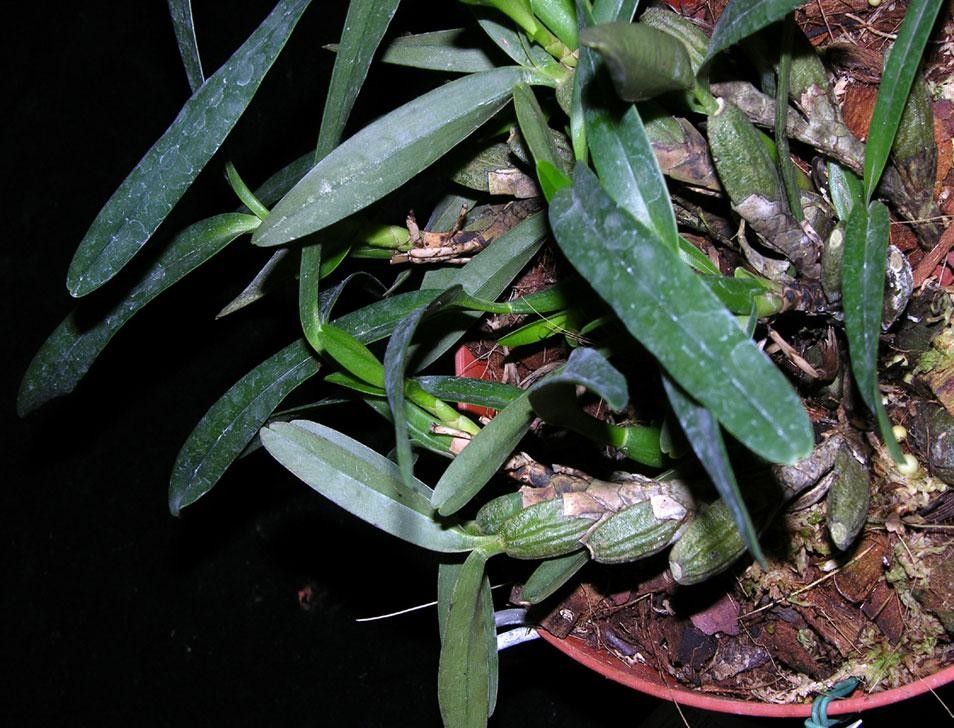
Propagating Maxillaria friedrichsthalii: A Gardener’s Guide
Introduction:
Maxillaria friedrichsthalii, sometimes called the “Friedrichsthalii Maxillaria,” is a captivating orchid species prized for its charming, relatively small, and fragrant flowers. These flowers, typically yellowish-green with reddish-brown markings, often appear in profusion, making it a desirable addition to any orchid collection. While not as widely cultivated as some other orchid genera, its compact size and unique floral display have earned it a dedicated following among orchid enthusiasts. The relative difficulty of propagation adds to its appeal, making successful propagation a significant horticultural achievement.
Seed Germination:
Currently, there are no known reliable methods for seed germination propagation of Maxillaria friedrichsthalii. Orchid seeds are famously minute and require highly specialized symbiotic relationships with mycorrhizal fungi for germination. Replicating these conditions in a home or small lab setting is extremely challenging and generally unsuccessful for this species.
Cuttings:
Cuttings are not a viable method for propagating Maxillaria friedrichsthalii. This orchid, like many others, does not readily produce roots from stem cuttings.
Division:
Division is the most commonly employed and generally successful method for propagating Maxillaria friedrichsthalii. This involves carefully separating established plants into smaller sections, each containing healthy roots and several pseudobulbs.
Challenges: The main challenge lies in identifying the optimal time for division. Dividing a plant that is stressed (e.g., during flowering or immediately after repotting) will severely impact its health. Properly assessing when the plant is actively growing and has ample energy reserves is crucial.
Practical Tips: The best time for division is usually after flowering, when new growth is emerging. Sterilize sharp cutting tools to minimize the risk of infection. Ensure each division possesses a sufficient root system and at least three pseudobulbs to ensure viability. Plant each division in a well-draining orchid potting mix. Provide consistent moisture and humidity, but avoid overwatering.
Rewards: Division is relatively straightforward, offering a quick and efficient way to increase your collection. It also maintains the genetic characteristics of the mother plant.
Tissue Culture:
Tissue culture offers a potentially more efficient means of large-scale propagation with possibilities for genetic improvement through selection and cloning. However, it requires specialized equipment, a clean laboratory environment, and expertise in orchid tissue culture techniques.
Challenges: Establishing sterile cultures, selecting appropriate media, and preventing contamination are significant hurdles. The process is labor intensive and requires specialized knowledge and equipment.
Practical Tips: This method is best left to professionals or experienced hobbyists with access to the necessary resources. Finding a reputable orchid tissue culture laboratory is recommended for aspiring propagators.
Rewards: Tissue culture offers the possibility of mass propagation, generating many plants from a single plant sample. This allows for the conservation of rare varieties and enables wider distribution of desirable cultivars.
Conclusion:
Propagating Maxillaria friedrichsthalii presents unique challenges. While seed germination and cuttings are not practical methods, division offers a viable and relatively accessible route for the home enthusiast. Tissue culture provides a high-yield alternative but presents considerable technical obstacles. The ultimate reward of successfully propagating this beautiful orchid, however, is undeniably satisfying. The careful nurturing required, combined with the beauty of the resulting plants, makes the effort worthwhile. For aspiring propagators, patience, meticulous hygiene, and a thorough understanding of the plant’s needs are essential for success. Don’t be discouraged by the initial difficulties; the joy of seeing a young plant thrive from a division is a unique and rewarding experience in the world of orchid cultivation.