
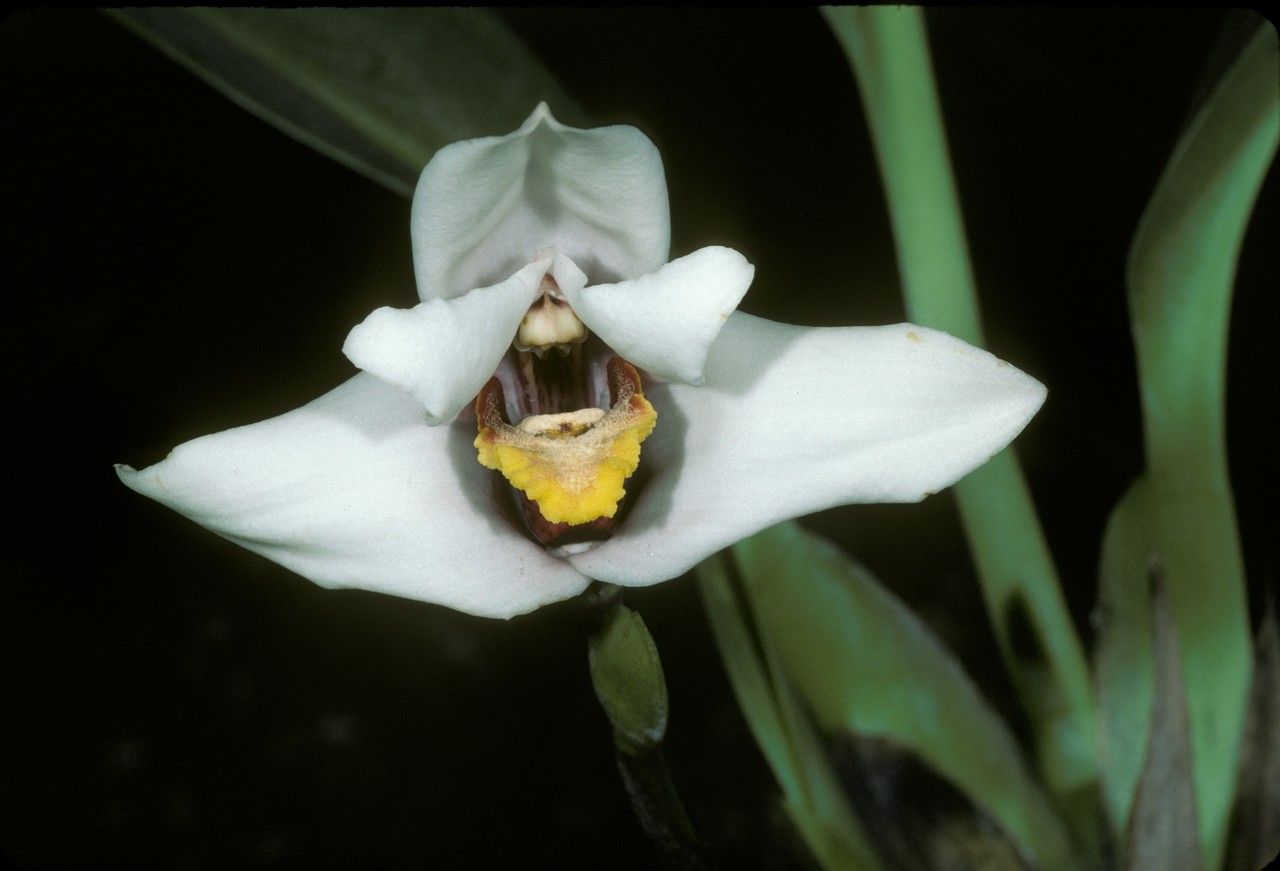
From One to Many: Exploring Maxillaria Grandiflora Propagation
The Maxillaria grandiflora, with its stunning, intricately patterned blooms, is a coveted orchid for any collector. But what if you could expand your collection with more of these beauties without breaking the bank? The answer lies in propagation!
This blog post will delve into the various methods for propagating Maxillaria grandiflora, demystifying the process for even a beginner.
Understanding the Basics:
Propagation refers to the process of creating new plants from existing ones. With Maxillaria grandiflora, we’re primarily focused on two techniques:
- Division: This method involves carefully separating a mature plant into multiple pieces, ensuring each piece has roots and enough growth points to thrive independently.
- Keikis: These are small, plantlets that form on the flower spikes of certain orchids, including Maxillaria grandiflora. Keikis are essentially miniature versions of the parent plant, ready to be detached and potted independently.
Division: A More Demanding Approach
Dividing a Maxillaria grandiflora requires a bit more experience, as it involves disrupting the plant’s root system. Here’s a step-by-step guide:
- Timing is Everything: The ideal time for division is just after the plant has finished flowering, allowing it to dedicate its energy to establishing new growth.
- Gentle Separation: Carefully remove the plant from its pot and inspect the root ball. Identify areas where natural divisions exist, ensuring each section has a healthy root system and multiple growth points.
- Clean Cuts: Use a sharp, sterile knife or pruning shears to gently divide the plant along the natural divisions.
- Potting Up: Immediately pot each new plant in a well-draining potting mix, ensuring the crown is above the soil level.
- Careful Aftercare: Keep the newly divided plants in a humid, shaded environment and avoid overwatering. Give them time to adjust and establish new roots.
Keikis: A Simpler Option
Keiki propagation offers a less invasive method, often generating new plants more quickly. Here’s what you need to know:
- Spotting a Keiki: These miniature plants will develop on the flower spike, sometimes with their own roots.
- Patience is Key: Allow the keiki to develop a healthy root system before attempting separation. Aim for at least a couple of inches of roots before proceeding.
- Gentle Separation: Carefully cut the keiki from the flower spike, ensuring you leave a small section of the spike attached to the keiki.
- Potting Up: Plant the keiki into a small pot with well-draining potting mix, keeping the crown slightly above the soil line.
Essential Tips for Success:
- Sterilization: Always sterilize your tools before handling your orchid to prevent the spread of diseases.
- Water Wisely: Newly potted plants need consistent moisture but avoid overwatering. Allow the surface to dry slightly between waterings.
- Proper Lighting: Provide your newly propagated Maxillaria grandiflora with bright, indirect light. Avoid direct sun exposure, which can burn the delicate foliage.
- Patience and Observation: Propagation takes time, so be patient and closely observe the health of your new plants.
Conclusion:
Propagating your Maxillaria grandiflora can be a rewarding experience, allowing you to expand your collection and enjoy the beauty of this orchid even further. Whether you choose the more demanding division or the easier keiki method, remember to follow the tips above and prioritize the well-being of your plant. With care and patience, you’ll soon witness the magic of new life, adding the enchanting blooms of Maxillaria grandiflora to your orchid collection!