
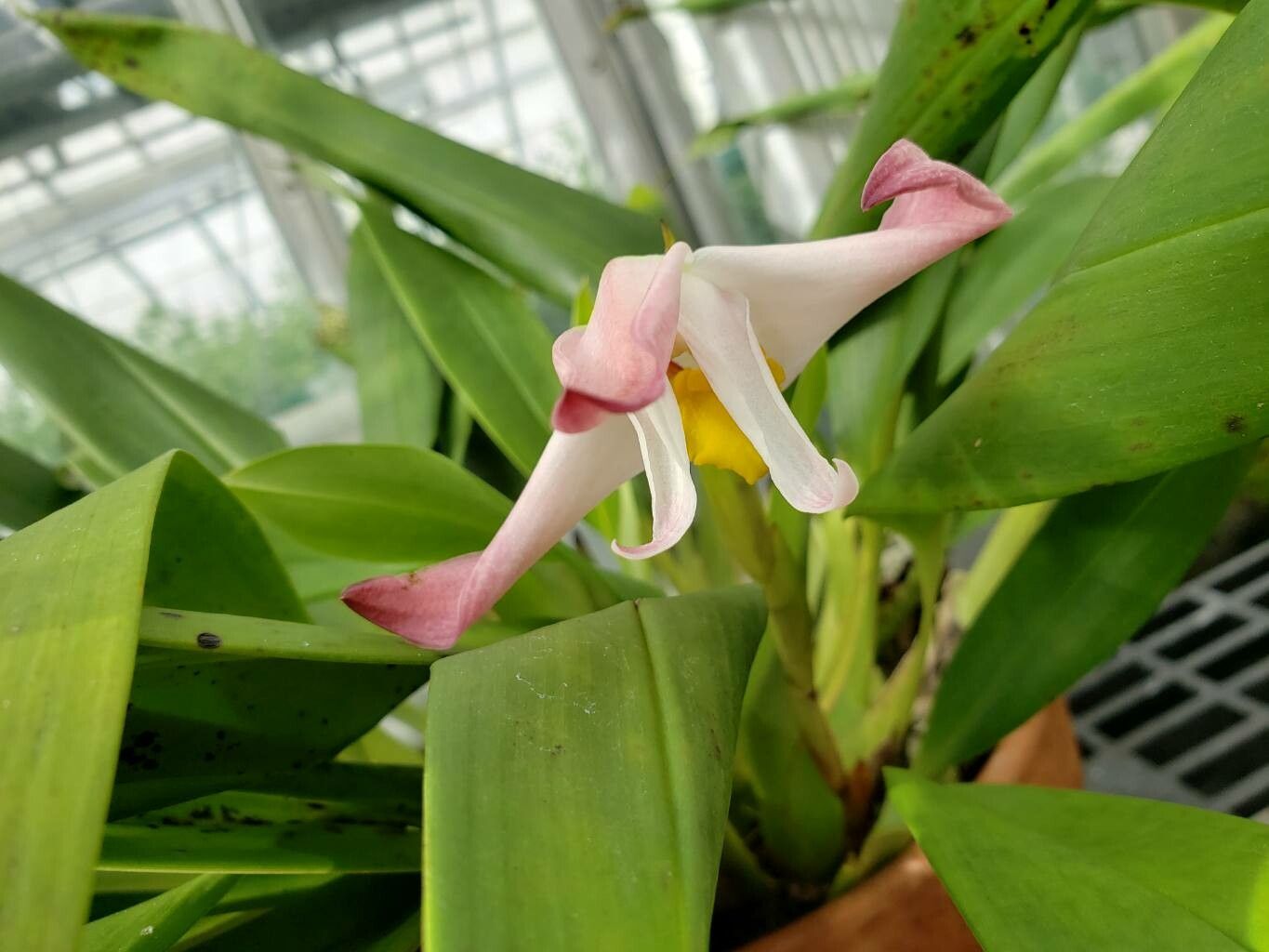
Unlocking the Secrets: Propagating Maxillaria molitor, the Jewel of the Orchid World
Maxillaria molitor, with its striking, brightly colored blooms and captivating fragrance, is a true treasure in the orchid world. But for those wanting to expand their orchid collection, propagating this beauty can seem intimidating. Fear not, fellow plant enthusiasts! This article will guide you through the ins and outs of Maxillaria molitor propagation, demystifying the process and empowering you to grow your own vibrant orchids.
Understanding Maxillaria molitor’s Propagation Methods
Unlike some orchids, Maxillaria molitor isn’t as readily propagated through seeds. These tiny seeds require specific conditions (like a symbiotic relationship with fungi) to germinate, making this method less suitable for the average grower. For successful propagation, we’ll focus on two proven techniques:
1. Division: Splitting the Mother Plant
This method is relatively straightforward and offers a high success rate. Here’s how it works:
- Timing is Key: Choose the ideal time for division: After flowering or when new growth emerges.
- Carefully Separate: Gently part the pseudobulbs (swollen stems) with a clean, sharp knife, ensuring each section has at least three or four pseudobulbs and healthy roots.
- Repotting: Plant the divisions individually in fresh, well-draining potting medium like bark or sphagnum moss.
- Post-Division Care: Provide gentle watering and high humidity (around 60-70%) until new growth appears, signaling successful adaptation.
2. Keiki Culture: Mimicking Nature’s Magic
Keikis are baby plants that can spontaneously emerge along the mature stems of the Maxillaria molitor. While their appearance is naturally unpredictable, we can encourage keiki growth through:
- Hormonal Stimulation: Apply a weak solution of cytokinin hormone (available at most nurseries) to the nodes of the stem. This helps stimulate the development of keikis.
- Humid Environment: Maintain high humidity around the mature stem by enclosing it in a plastic bag or utilizing a humidity dome.
- Patience! Developing keikis can take time, so remain patient and provide consistent care.
- Separation: Once the keikis have developed a couple of roots, carefully separate them from the mother plant and pot them individually.
Success Factors & Common Pitfalls
Factors for Success:
- Proper Growing Conditions: Maxillaria molitor thrives in bright, indirect light, warm temperatures, and high humidity.
- Well-Draining Medium: A mix of bark, sphagnum moss, and perlite ensures optimal drainage, preventing root rot, a common problem in orchids.
- Balanced Fertilizer: Fertilize regularly with a diluted orchid fertilizer to provide essential nutrients.
- Water Wisely: Water when the potting medium is almost dry, allowing it to dry completely between waterings.
Common Pitfalls to Avoid:
- Overwatering: Too much water can lead to root rot.
- Poor Drainage: Choose a pot with adequate drainage holes to avoid waterlogging.
- Insufficient Lighting: Lack of light can weaken the plant and hinder growth.
- Incorrect Humidity: Low humidity can affect growth and cause leaf tip browning.
Final Thoughts
Propagating Maxillaria molitor, with its intricate beauty and captivating fragrance, is a rewarding experience. By following these guidelines, you can unlock the secrets of successful propagation and relish the joy of nurturing new, flourishing orchids. Remember, patience and consistent care are key to cultivating these stunning plant wonders. Embrace the journey and watch your collection of Maxillaria molitor blossom!