
Unlocking the Secrets of Maytenus acuminata: A Guide to Propagation
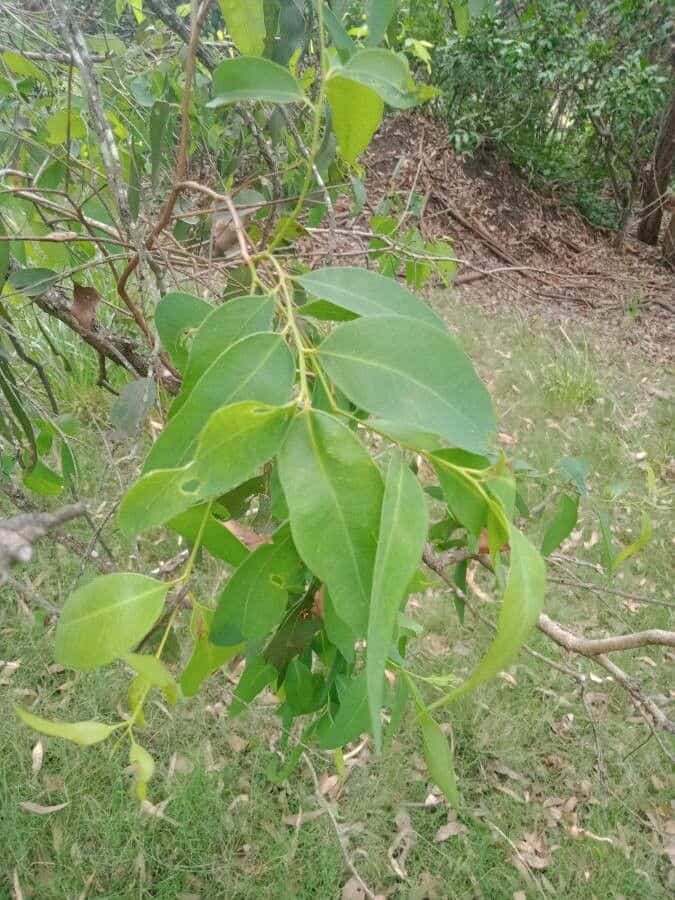
The Maytenus acuminata, also known as the Silky Bark, is a captivating evergreen tree native to South Africa. With its elegant, drooping branches adorned with glossy green leaves and delicate flowers, it’s no wonder this tree is becoming increasingly popular amongst gardeners. But successfully cultivating Maytenus acuminata from scratch requires understanding the art of its propagation.
While considered a low-maintenance tree, successfully propagating Maytenus acuminata does require some patience and the right technique. Below we’ll explore the two most common methods:
1. Seed Propagation:
While possible, growing Maytenus acuminata from seed can be a slow and somewhat unpredictable process. Here’s what you need to know:
- Seed Collection and Preparation: Collect ripe fruits directly from the tree, ideally during autumn. Extract the seeds and remove the fleshy pulp. Soaking the seeds in lukewarm water for 24 hours before sowing can help soften the outer shell and improve germination rates.
- Sowing: Sow the seeds in a well-draining seed-raising mix. Cover lightly with a thin layer of the mix and water gently.
- Environmental Conditions: Optimal germination requires warmth and humidity. Consider using a propagator or a warm, bright location out of direct sunlight.
- Germination Time: Be patient! Seed germination can take anywhere from a few weeks to several months.
- Transplanting: Once seedlings have developed a strong root system and several true leaves, they can be carefully transplanted into individual pots or directly into the ground.
2. Propagation from Cuttings:
Taking cuttings is generally the preferred method for propagating Maytenus acuminata as it offers a faster and more reliable outcome. Here’s how it’s done:
- Timing: Late spring or early summer, when the plant is actively growing, is the best time to take cuttings.
- Cutting Selection: Choose healthy, semi-hardwood shoots from the current year’s growth. Ideal cuttings are around 4-6 inches long.
- Preparing the Cuttings: Remove the leaves from the bottom third of the cuttings and make a clean cut just below a leaf node.
- Hormone Treatment: While not strictly necessary, dipping the cut end in rooting hormone powder can significantly improve the success rate.
- Planting: Plant the prepared cuttings in a well-draining rooting mix, ensuring the bottom node is submerged.
- Environmental Conditions: Keep the cuttings in a humid environment, either by using a propagator or by regularly misting and covering them with a clear plastic bag.
- Rooting Time: In about 6-8 weeks, the cuttings should develop roots and show signs of new growth.
- Transplanting: Once rooted, carefully transplant the cuttings into individual pots or directly into the garden.
Tips for Success:
- Whether using seeds or cuttings, always use well-draining soil.
- Provide adequate water, especially during the initial stages. However, avoid overwatering, leading to root rot.
- Choose a location with full sun to partial shade.
- Protect young plants from frost.
Propagating Maytenus acuminata might require some dedication, but the rewards are well worth the effort. Seeing this graceful tree flourish in your garden, knowing you nurtured it from its earliest stage, is an immensely satisfying experience. So why not roll up your sleeves, get your hands dirty, and embark on this rewarding horticultural adventure?