
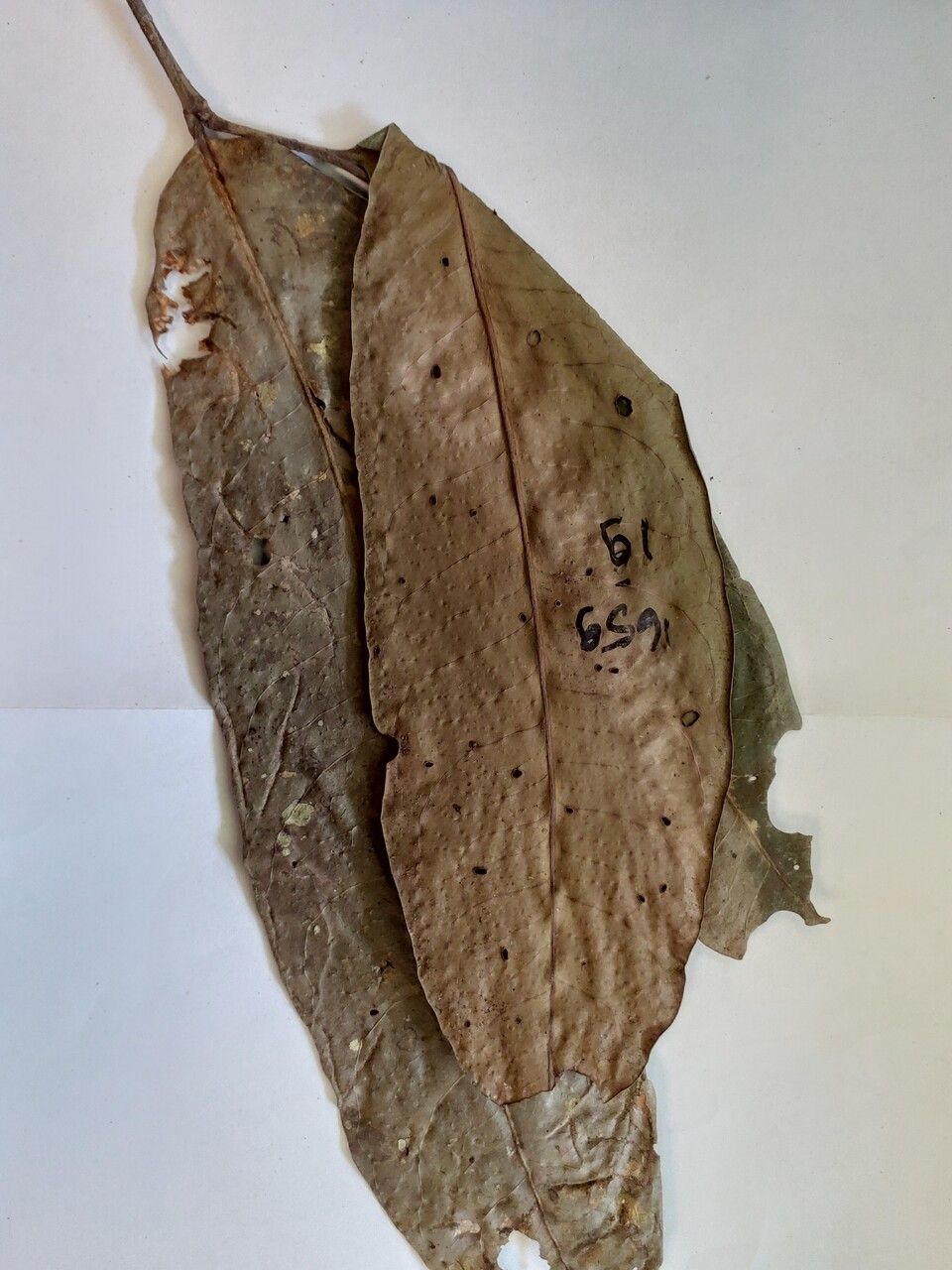
From Seed to Splendor: Propagating Your Own Maytenus Oblongata
The Maytenus oblongata, with its lustrous green leaves and captivatingly textured bark, is a stunning addition to any garden. But did you know you can easily expand your greenery by propagating your own? This article explores the fascinating process of bringing new life to this unique plant, empowering you to create more of these verdant gems.
Choosing the Right Time:
The best time to propagate Maytenus oblongata is in spring or early summer when the plant is actively growing. This ensures the cuttings have optimal energy and resources for successful root development.
The Power of Seeds:
Collecting seeds from mature fruits is a simple yet rewarding propagation method.
- Harvesting: When the fruits turn dark red to brown, gather them and gently extract the seeds.
- Preparation: Rinse the seeds to remove any pulp and allow them to dry in a cool, well-ventilated area.
- Sowing: Sow the seeds in a seed tray filled with a well-draining seed-starting mix. Lightly cover them with the mix and mist with water. Maintain consistent moisture and a warm temperature (around 70°F) for optimal germination.
- Germination Time: Be patient! Maytenus oblongata seeds can take several weeks to germinate. Once the seedlings emerge, provide them with ample sunlight and regular watering.
The Art of Cuttings:
For quicker results, consider taking stem cuttings.
- Choosing Cuttings: Select healthy, non-flowering stems with a firm texture. Cuttings should be 4-6 inches long, ideally with a growth node (a bump where leaves emerge) at the base.
- Prepare the Cutting: Make a clean, angled cut just below the node. Remove any leaves from the bottom 1-2 inches of the stem.
- Rooting Hormone (Optional): Dip the cut end of the stem in rooting hormone to boost root development.
- Planting: Lightly pack a pot with a well-draining potting mix, creating a small hole for the cutting. Insert the cutting into the hole, ensuring the node is below the soil line.
- Maintain Moisture: Keep the potting mix consistently moist, but not soggy. Cover the pot with a plastic bag or dome to create a humid environment.
- Patience: It can take several weeks for the cuttings to produce roots. Keep the soil moist and the environment warm.
A Note on Patience:
Propagation takes time. Be patient and persistent. As you nurture your Maytenus oblongata, you’ll witness the incredible power of nature to create new life. Remember to provide adequate care, including regular watering, good sunlight, and protection from pests and diseases.
The Joy of Propagation:
Propagating your own Maytenus oblongata is incredibly rewarding. Seeing these beautiful plants thrive under your watchful care is an experience that brings immense satisfaction. Not only can you expand your own garden, but you can also share the joy of these unique plants with friends and family. More importantly, by creating new life, you play an active role in the preservation of this remarkable species.