
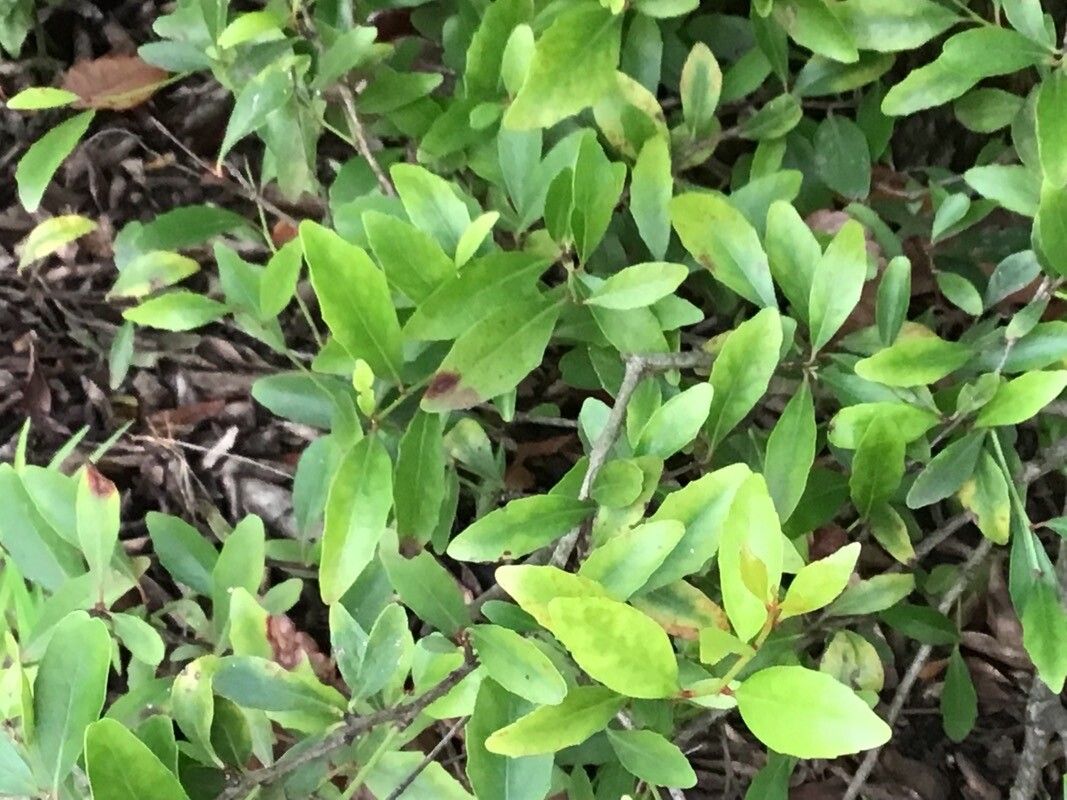
Unlocking the Secrets of Maytenus umbellata: A Propagation Guide
Maytenus umbellata, also known charmingly as the “Hookthorn,” isn’t a household name like roses or tulips. However, this lesser-known gem boasts glossy evergreen foliage, delicate blooms, and an attractive open growth habit, making it a unique and rewarding addition to any garden.
If you’re lucky enough to have a Hookthorn gracing your space or know someone who does, you might be wondering about the secrets to its propagation. Fortunately, while not as common in nurseries, Maytenus umbellata can be multiplied through different methods, each with its own quirks and considerations:
1. Seeds: A Test of Patience
Propagating Hookthorn from seeds can be a rewarding, albeit slow, process. Here’s how:
- Harvesting: Collect ripe fruits from the plant, typically appearing in late summer or fall. These fruits are small capsules containing tiny seeds.
- Cleaning: Gently open the capsules and separate the seeds, rinsing off any remaining fruit pulp.
- Sowing: Sow the seeds in a well-draining seed-starting mix, lightly pressing them into the surface.
- Patience is Key: Germination can be erratic and take a few weeks to several months. Provide warmth, consistent moisture, and bright, indirect light.
2. Cuttings: A Quicker Path to Success
Taking cuttings is a faster and generally more successful method for propagating Maytenus umbellata:
- Timing is Everything: The ideal time is late spring or early summer when new growth is semi-hardened – not too tender, not too woody.
- Taking the Cutting: Using sterilized pruning shears, take 4-6 inch cuttings from healthy, vigorous branches. Make a clean cut just below a node (where leaves emerge).
- Preparation: Remove the lower leaves from the cutting, leaving only a few at the top.
- Encouraging Roots: You can dip the cut end in rooting hormone (though not strictly necessary) and then plant it in a well-draining potting mix.
- Creating Ideal Conditions: Place the cutting in a warm, humid environment, such as a humidity dome or a loosely covered tray. Consistent moisture is crucial, but avoid overwatering.
3. Air Layering: An Advanced Technique
While slightly more complex, air layering can be very effective for propagating woody plants like the Hookthorn:
- Selecting a Branch: Choose a healthy, flexible branch approximately 1/2 to 1 inch in diameter.
- Wounding: Make a shallow upward cut or scrape away a ring of bark about 1-2 inches below a node.
- Applying Rooting Hormone (Optional): You can apply rooting hormone to the wounded area to encourage root development.
- Wrapping with Moss: Surround the wounded section with moist sphagnum moss and wrap it securely with plastic wrap, securing both ends with twine or rubber bands.
- Patience: This method takes time. You should start to see roots forming within a few months.
- Severing and Potting: Once roots are established, carefully sever the branch below the wrapped section and pot the newly rooted cutting.
Important Considerations:
- Soil: Maytenus umbellata thrives in well-draining soil.
- Light: Provide ample sunlight, ideally with some shade during the hottest hours of the day, especially for young plants.
- Watering: While drought-tolerant once established, regular watering is essential during the first year after propagation.
The Maytenus umbellata, with its graceful form and resilience, makes a stunning addition to any garden. By understanding the nuances of these propagation techniques, you can cultivate new life from this captivating plant and share its unique beauty for years to come.