
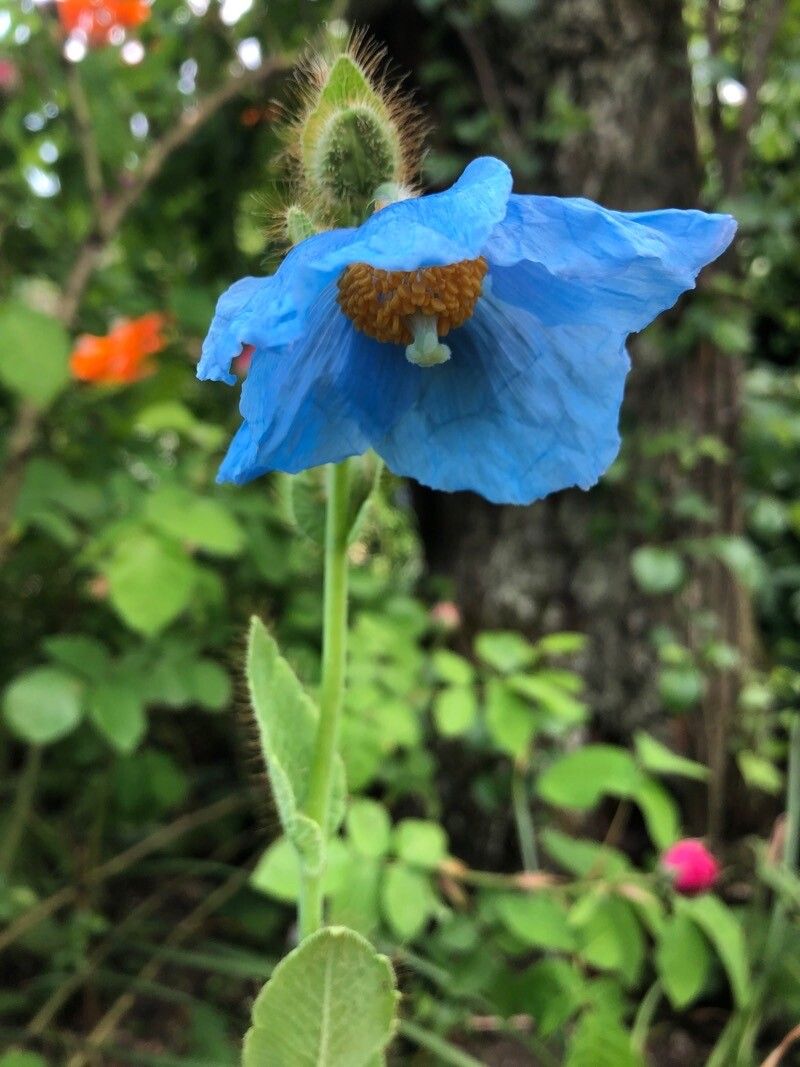
Unlocking the Mystery of the Blue Poppy: Propagating Meconopsis betonicifolia
The Himalayan blue poppy, Meconopsis betonicifolia, is a sight to behold. Its ethereal, sky-blue blooms hold an irresistible allure for any gardener with a touch of romanticism. But this beauty comes with a reputation: notoriously tricky to grow, let alone propagate. Don’t despair! With patience and the right techniques, you can cultivate these enchanting flowers and even share the magic with fellow plant enthusiasts.
Understanding the Challenge:
Native to the high altitudes of the Himalayas, Meconopsis betonicifolia thrives in cool, moist environments with excellent drainage. Replicating these specific conditions in a typical garden setting is where the challenge arises. However, understanding their needs is the first step to successful propagation.
Two Paths to Poppy Paradise:
You can propagate Meconopsis betonicifolia in two ways: by seed or by basal cuttings. Let’s explore both methods:
1. The Seed Route (More Common & Rewarding):
- Sourcing Seeds: Purchase fresh seeds from a reputable supplier specializing in alpine plants. Freshness is key for good germination rates.
- Sowing the Seeds:
- Timing: Sow seeds in late winter or early spring (February-March).
- Medium: Use a well-draining seed-starting mix with added perlite or vermiculite for optimal drainage.
- Light: Place the seed tray in a bright location, but out of direct sunlight.
- Moisture: Keep the soil consistently moist but not waterlogged.
- Temperature: Maintain a cool environment between 50-55°F (10-13°C). You can use a cold frame or a refrigerator to stratify the seeds for 4-6 weeks for better germination.
- Transplanting:
- Once the seedlings develop a few sets of true leaves, carefully transplant them into individual pots filled with a well-draining potting mix.
- Harden off the seedlings gradually by introducing them to outdoor conditions for increasingly longer periods.
- Choose a shady, sheltered location in your garden with well-drained soil and a slightly acidic pH (6.0-6.5).
2. Basal Cutting Confidence:
- Timing is Everything: Take basal cuttings in late spring or early summer when the plant is actively growing.
- The Right Cut: Look for small rosettes forming at the base of the main plant. Using a sharp, sterilized knife, cut the rosette away from the parent plant, ensuring you get a small piece of the root system attached.
- Potting and Care: Plant the cutting in a small pot with a well-draining potting mix. Keep the soil consistently moist and place the pot in a shaded, humid environment.
Ongoing Care for Thriving Blue Poppies:
Regardless of your chosen propagation method, providing the right care is crucial for success:
- Sun and Shade: Aim for morning sun and afternoon shade, replicating their natural habitat.
- Moisture Mastery: Water regularly, keeping the soil consistently moist but never soggy.
- Feeding for Flowers: Use a balanced, slow-release fertilizer in spring to encourage healthy growth and blooming.
- Deadheading Dilemma: While tempting, resist deadheading spent flowers in the first year to encourage stronger root development.
Propagating Meconopsis betonicifolia is a labor of love, demanding patience and dedication. But witnessing the captivating beauty of these blue poppies gracing your garden makes the journey truly worthwhile. So, embrace the challenge, follow these tips, and unlock the magic of the Himalayan blue poppy in your own backyard!