
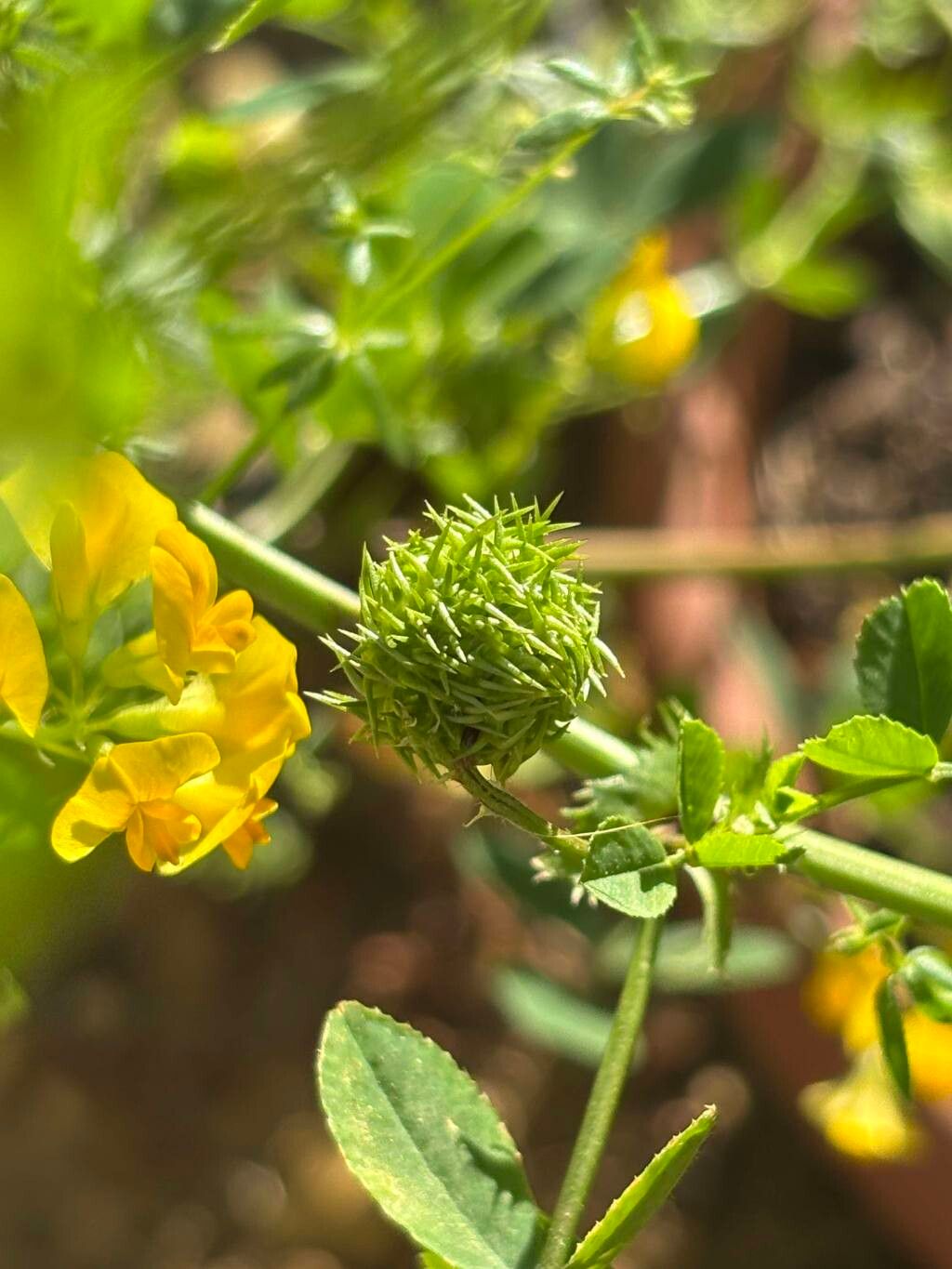
Propagating Medicago intertexta: Unveiling the Secrets of the Woolly Bur Clover
Introduction:
Medicago intertexta, commonly known as woolly bur clover, is a charming and hardy annual or short-lived perennial legume boasting a soft, woolly texture and appealing, small yellow flowers. Its tolerance to drought and poor soils makes it a valuable plant for erosion control and as a cover crop in challenging environments. While not as widely cultivated ornamentally as some other legumes, its unique appearance and ecological importance have garnered interest among gardeners and researchers seeking low-maintenance, environmentally beneficial ground cover. Its propagation, however, presents a unique set of challenges that add to the sense of accomplishment for the successful grower.
Seed Germination:
Seed germination is a viable method for propagating Medicago intertexta, though it presents some challenges. The hard seed coat often necessitates scarification before sowing. This can be achieved through mechanical abrasion (rubbing the seeds against sandpaper) or chemical scarification (soaking in concentrated sulfuric acid for a short period – this requires caution and appropriate safety measures). Following scarification, stratification (a period of cold, moist storage) for several weeks can significantly improve germination rates. Sow seeds directly into well-draining soil in a sunny location, burying them shallowly (about 1/4 inch deep). Maintaining consistently moist but not waterlogged soil is crucial.
Challenges: Inconsistent germination rates are common, and the process can be time-consuming.
Tips: Careful scarification, proper stratification, and consistent moisture management are key for success.
Rewards: Seed germination provides the greatest potential for genetic diversity and allows for large-scale propagation if successful.
Cuttings:
Currently, there are no known reliable methods for propagating Medicago intertexta from cuttings. The plant’s physiology doesn’t lend itself readily to vegetative propagation via cuttings.
Division:
Division is not a practical method for propagating Medicago intertexta. As an annual or short-lived perennial, the plant doesn’t readily form the type of dense root system suitable for division.
Tissue Culture:
While tissue culture techniques are applicable to many plant species, its viability for Medicago intertexta remains largely unexplored. Success would require specialized knowledge, equipment, and laboratory conditions. Currently, published research on tissue culture propagation of this specific species is scarce, indicating this method is currently not a readily available or practical option.
Conclusion:
Propagating Medicago intertexta presents a mixed bag of challenges and rewards. Seed germination offers the most promising approach, but requires patience, meticulous attention to detail, and the willingness to overcome inconsistent germination rates. The other methods explored (cuttings, division, and tissue culture) have shown limited success or practical application. The inherent difficulties involved, however, contribute to the unique satisfaction derived from successfully cultivating this plant. The resilience shown by seedlings emerging from painstakingly prepared seeds is a rewarding experience for any plant enthusiast. For aspiring propagators, don’t be discouraged by the challenges – consider the value of this hardy legume, and remember that success will amplify the sense of accomplishment and enrich your gardening experience. Start with seed germination, meticulously following the advised preparation methods, and celebrate each successful sprout.