
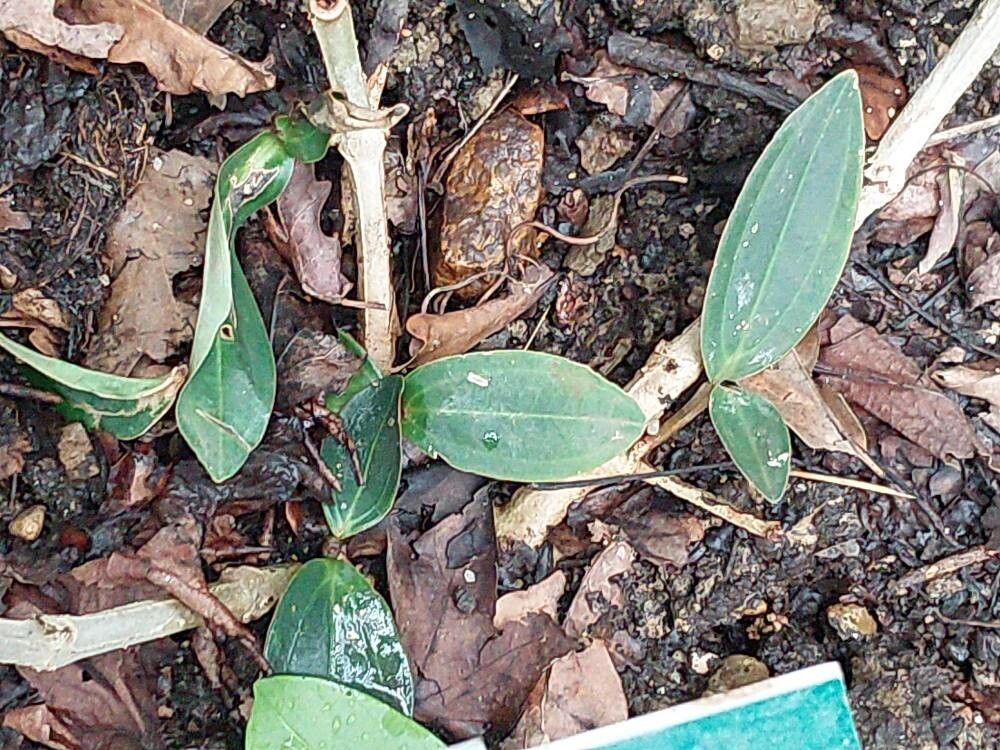
Unleashing the Magic: Propagating the Showstopping Medinilla Loranthoides
The Medinilla loranthoides, with its cascading clusters of vibrant pink blossoms, is a true showstopper. Its exotic beauty and relatively easy care make it a darling among houseplant enthusiasts. But did you know you can share this wonder with others (and even expand your own collection) by learning the art of propagation? This blog post will guide you through the fascinating world of propagating your Medinilla loranthoides, revealing the magic of bringing new life to this stunning plant.
The Options: Seeds, Cuttings, or Division?
While Medinilla loranthoides can be propagated through seeds, this method is less common due to its time-consuming nature and potential for inconsistent results. Instead, let’s focus on two reliable and more widely used techniques:
1. Stem Cuttings: This is the most popular method for propagating Medinilla loranthoides. It involves taking a cutting from a healthy stem, encouraging it to develop roots, and ultimately growing into a new plant.
2. Division: This method is best suited for mature Medinilla plants that have formed multiple stems. By carefully separating the plant into individual sections, each with its own root system, you can create multiple new plants.
Propagation Guide: Step by Step
1. Choosing the Right Time: Spring and early summer are ideal times for propagating Medinilla loranthoides, as the plant is actively growing and has the most energy to devote to root development.
2. Selecting Healthy Material: For cuttings, choose a non-flowering stem that’s about 4-6 inches long with at least two sets of leaves. For division, make sure the plant is in good health and has multiple strong stems.
3. Preparing the Cuttings: Cuttings should be taken just below a leaf node. Remove the lower leaves, leaving only the top two or three. Dip the cut end in rooting hormone to encourage root growth.
4. Providing the Perfect Environment: Carefully insert the cuttings into a well-draining potting mix, ensuring the cut end is fully buried. Water thoroughly and cover the pot with a clear plastic bag or dome to create a humid environment. Place it in a bright spot that receives indirect sunlight.
5. Patience and Nurturing: Keep the cuttings moist but not soggy. Regularly mist the leaves and check the humidity level. It can take anywhere from 4 to 8 weeks for roots to develop. As soon as new growth appears, remove the plastic cover and continue caring for your new plants as you would your established Medinilla loranthoides.
6. Preparing for Division: Gently loosen the soil around the Medinilla plant and carefully lift it out of its pot. Using your hands or a sharp knife, divide the plant into individual sections, ensuring each has its own root system.
7. Planting the Divided Plants: Pot each new plant in a well-draining potting mix. Water thoroughly and place in a bright, indirectly lit location. Allow the plants to adjust to their new home for a few weeks before resuming a regular fertilizing routine.
Success Tips and Cautions
- Quality Cutting Medium: Use a well-draining potting mix suitable for propagation, such as a mix of peat moss, vermiculite, and perlite.
- Temperature Control: Maintain temperatures between 70-75°F for optimal root development.
- Avoid Overwatering: Check the soil moisture regularly and water only when the top inch of soil feels dry.
- Disease Prevention: Keep a close eye on your cuttings or divisions for signs of fungal diseases like root rot, which can be prevented with proper drainage and ventilation.
Beyond Propagation: Enjoying Your Medinilla Loranthoides
Propagating your Medinilla loranthoides is a rewarding experience. You’ll not only expand your plant collection but also gain a deeper understanding of the plant’s life cycle and its unique beauty. With a little care and attention, you’ll have a flourishing collection of Medinilla loranthoides to brighten your home for years to come.
So, go ahead and unleash the magic. Start a new plant adventure today with propagation, and enjoy the splendor of your very own Medinilla loranthoides offspring!