
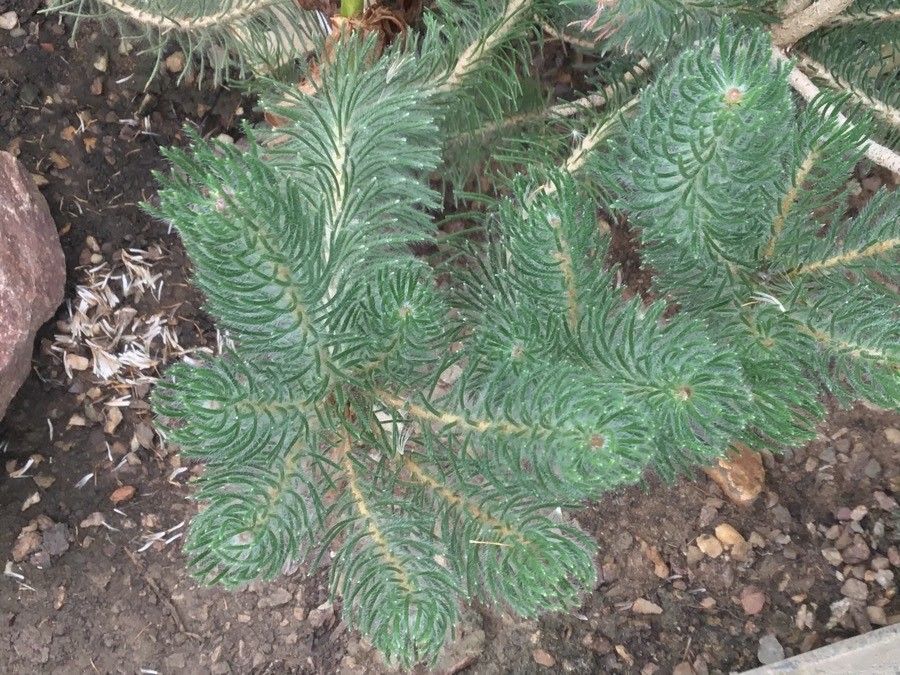
Propagating the Honey Myrtle: A Guide to Growing Melaleuca eriocarpa
Melaleuca eriocarpa, commonly known as Honey Myrtle, is a captivating Australian native shrub prized for its fragrant, honey-scented foliage and attractive, bottlebrush-like flowers. Its tolerance to drought and a range of soil conditions makes it a popular choice among gardeners, while its attractive appearance contributes to its use in landscaping and restoration projects. However, propagating Honey Myrtle presents some unique challenges. Let’s explore various methods.
Seed Germination:
Currently, there are no known reliable methods for seed germination propagation of Melaleuca eriocarpa. While seeds may be produced, their germination rate is notoriously low, and successful germination has not been consistently replicated across different studies or horticultural settings. Further research is needed to determine if specific pre-treatments or environmental conditions could improve germination success.
Cuttings:
Cuttings represent a more reliable method for propagating Honey Myrtle.
Challenges: Success relies heavily on timing and technique. Hardwood cuttings taken in late winter or early spring tend to exhibit the best rooting success.
Practical Tips: Use semi-hardwood cuttings (partially mature growth) approximately 10-15cm long. Remove lower leaves to prevent rot, dip the cut end in a rooting hormone, and plant them in a well-draining mix of perlite and peat moss. Maintain high humidity (e.g., using a propagation dome or plastic bag) and consistent moisture without overwatering.
Rewards: Cuttings provide a relatively quick method of propagation, producing genetically identical plants to the parent plant. This is beneficial for maintaining desirable traits.
Division:
Division is generally not suitable for Melaleuca eriocarpa. This species doesn’t readily form the clumping habit necessary for successful division. Attempts to separate the plant’s root system often result in damage and plant mortality.
Tissue Culture:
Tissue culture offers a potentially promising method, though it requires specialized equipment and expertise.
Challenges: Establishing aseptic conditions and selecting appropriate growth media are crucial. The specific hormonal requirements for optimal shoot multiplication and rooting are yet to be fully optimized for this species.
Practical Tips: This method should only be attempted by individuals with experience in plant tissue culture techniques. Sterile techniques are paramount to avoid contamination.
Rewards: Tissue culture offers the potential for large-scale propagation of superior genotypes and disease-free plants.
Conclusion:
Propagating Melaleuca eriocarpa presents unique challenges, with seed germination proving unreliable. Cuttings offer the most accessible and successful method for the average gardener, while tissue culture presents a more complex but potentially higher-yield option for commercial or research purposes. Division is not a viable technique. The rewards for successfully propagating Honey Myrtle are immense, offering the satisfaction of nurturing a beautiful and fragrant plant from a cutting or through the more advanced techniques of tissue culture. The inherent difficulty, however, only elevates the sense of accomplishment associated with successfully establishing new plants. For aspiring propagators, patience, persistence, and attention to detail are key ingredients for success. Remember to research and utilize appropriate rooting hormones and propagation methods to maximize your chances of success.