
From Snipping to Thriving: How to Propagate Your Own Paperbark Tea Tree
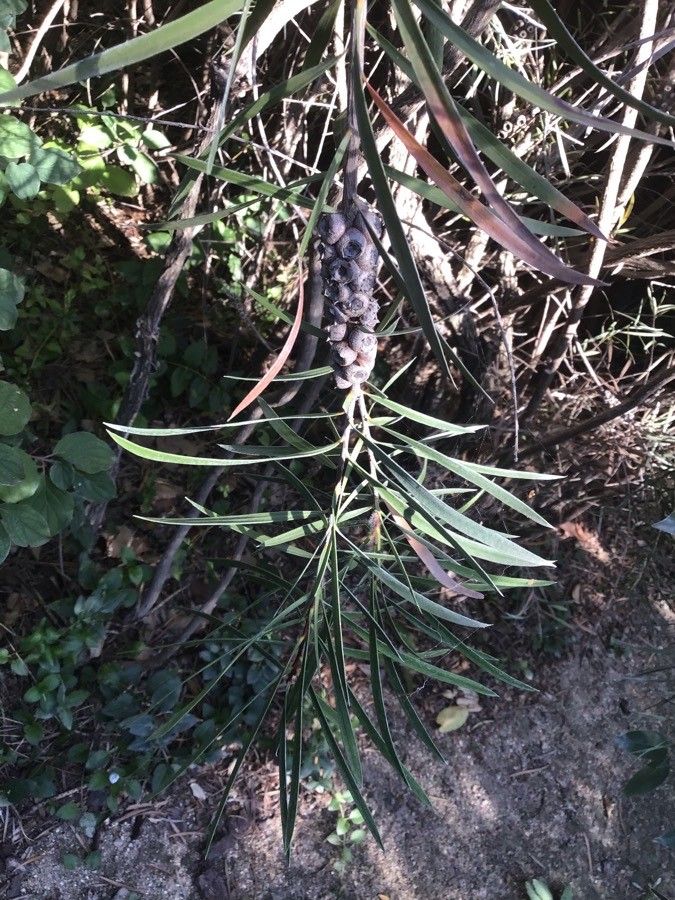
The Paperbark Tea Tree (Melaleuca glauca) is a striking Australian native with mesmerizing papery bark, delicate foliage, and a refreshing aroma. Its beauty and resilience make it a popular choice for gardens, but did you know that you can easily expand your own Paperbark Tea Tree collection with a little bit of propagation magic?
This article will guide you through the fascinating world of propagating your own Paperbark Tea Tree, exploring both seed and cutting methods, providing tips for success, and ensuring you have a flourishing colony of these lovely trees in no time.
Harnessing the Power of Seeds:
The Paperbark Tea Tree produces small, woody seed capsules that can be harvested for propagation. Here’s how it’s done:
- Timing is Key: Collect mature seed capsules in autumn or winter, when they turn brown and start to release their seeds.
- Breaking the Shell: Carefully break open the capsules and sieve the seeds to remove any debris.
- Sowing Success: Sow the seeds directly into well-drained potting mix, keeping the surface moist at a consistent temperature.
- Patience and Light: Paperbark Tea Tree seeds germinate slowly, requiring ample sunlight and a period of 4-6 weeks to sprout.
The Art of Cuttings:
For a faster and more predictable method, propagating your Paperbark Tea Tree with cuttings is the way to go. Here’s a step-by-step guide:
- Choose Your Branch: Select healthy, semi-hardwood stems from a mature plant, ideally those growing upright and free of disease.
- Prepare the Cutting: Cut a 6-8 inch section just below a leaf node, removing the lower leaves to expose the stem.
- Boosting Roots: Dip the cut end in rooting hormone, a powdered substance that promotes root development.
- Planting Power: Insert the cuttings into a well-draining potting mix, leaving the top 1-2 inches exposed.
- Keeping it Moist: Maintain consistent moisture and place the cuttings in a shady location with filtered light.
Tips for Success:
- Soil Matters: Use a well-draining potting mix that retains moisture but doesn’t become soggy.
- Watering Wisdom: Water regularly, especially during the initial stages of root development. Ensure the soil is slightly moist but not waterlogged.
- Light Sensitivity: Paperbark Tea Trees thrive in full sun to partial shade. Avoid exposing young plants to harsh midday sun.
- Patient Persistence: Root development takes time, so be patient and don’t get discouraged.
A Thriving Future:
By mastering the art of Paperbark Tea Tree propagation, you not only create a beautiful and aromatic landscape but also contribute to the preservation of this iconic Australian native. Whether you choose the seed or cutting method, the process is both rewarding and empowering, allowing you to nurture the growth of a plant that will last for years to come, showcasing its unique beauty and resilience for generations to enjoy.