
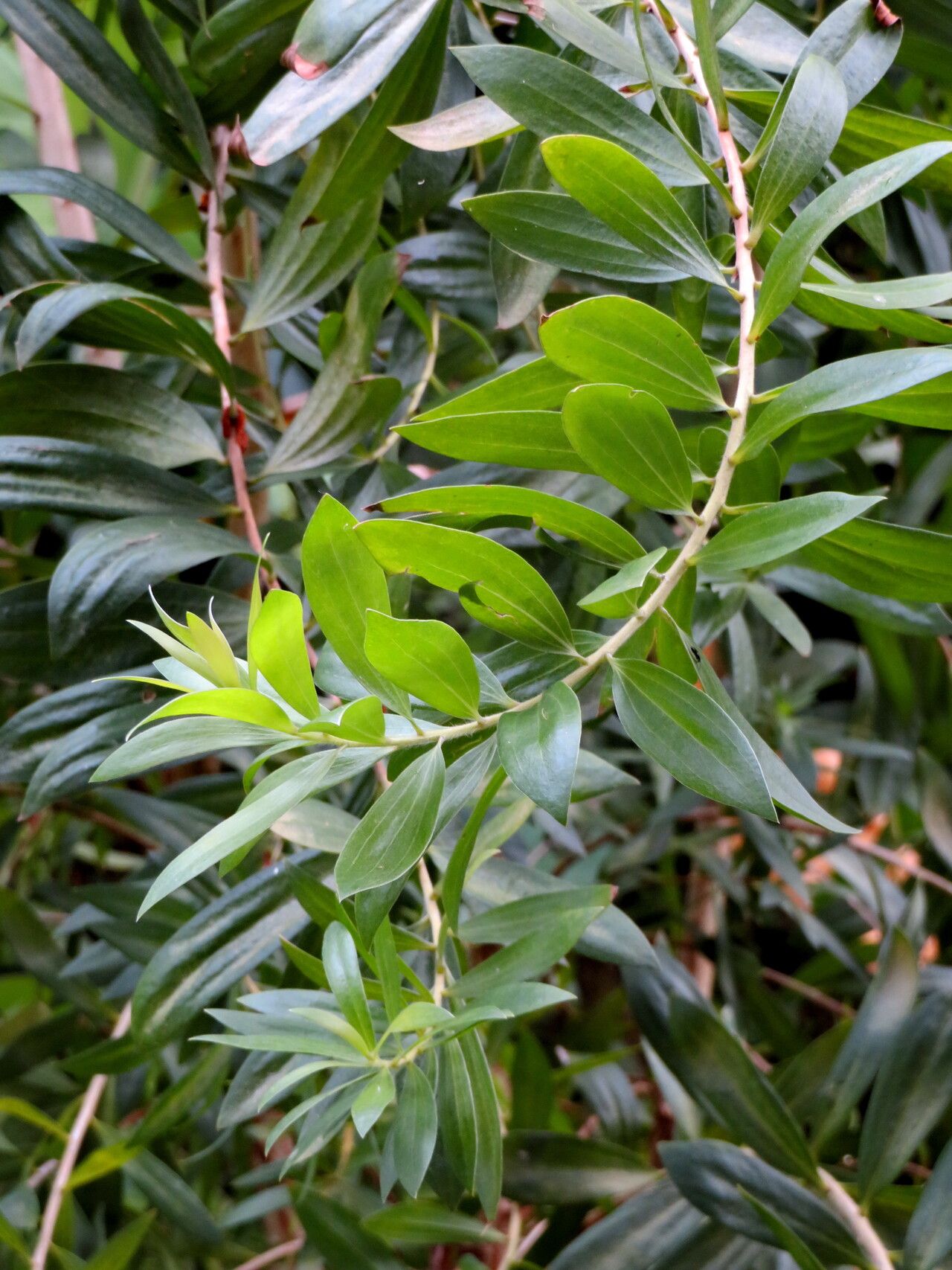
From Seed to Success: Growing Your Own Paperbark Tea Tree (Melaleuca leucadendra)
The Paperbark Tea Tree (Melaleuca leucadendra), with its striking, peeling bark and fragrant foliage, is a beautiful and versatile addition to any garden. But did you know you can easily propagate this unique tree yourself? From seed to sapling, growing your own Paperbark Tea Tree is a rewarding experience that allows you to enjoy the magic of this fascinating plant.
Starting from Seed:
- Gather the seeds: The best time to collect seeds is when the seedpods have turned brown and dry. Carefully open the pods and remove the tiny, dark seeds.
- Prepare the soil: Choose a well-draining potting mix, preferably one specifically designed for seedlings. Fill small seed trays or pots with the mix, leaving a little space for drainage.
- Sow the seeds: Lightly press the seeds into the soil, ensuring they are only slightly covered. Do not bury them too deeply as this can hinder germination.
- Water thoroughly: Keep the soil moist but not waterlogged. Avoid overwatering, as this can lead to fungal issues.
- Provide warmth and light: Place the seed trays or pots in a warm (25-30°C) location with indirect sunlight. You can use a heat mat or seedling propagator to maintain the ideal temperature.
- Be patient: Germination can take anywhere from a few weeks to a couple of months. Be patient and keep the soil moist.
The Advantages of Seed Propagation:
While seed propagation is a longer process than other methods, it offers certain advantages:
- A sense of accomplishment: Growing a tree from seed is a truly rewarding experience.
- Genetic diversity: This method allows for a greater variety of genetic traits in your plants.
- Lower cost: Compared to buying established seedlings, seed propagation is much more cost-effective.
Moving on to Cuttings:
For a faster and more controlled approach, you can propagate the Paperbark Tea Tree through cuttings.
- Choose your cuttings: Select healthy, softwood cuttings from the current year’s growth. Ensure the cuttings are about 10-15 cm long and have at least three nodes.
- Prepare the cuttings: Use a sharp knife or pruning shears to make a clean cut just below a node. Remove any leaves from the lower portion of the cutting.
- Apply rooting hormone: Dip the cut end of the cutting into a rooting hormone powder or solution for better development of roots.
- Plant the cuttings: Prepare a rooting mix by combining peat moss and perlite or vermiculite. Insert the cuttings into the mix, ensuring at least one node is below the soil surface.
- Provide humidity and warmth: Place the potted cutting in a propagation tray, greenhouse, or humid environment. Maintaining a temperature between 20-25°C will aid in root development.
- Maintain moisture: Keep the rooting mix consistently moist, but do not overwater. You can cover the cuttings with a plastic dome to retain humidity.
- Patiently wait: Rooted cuttings should start to show new growth within a few weeks. Allow them to develop a strong root system before transplanting them into larger pots or outdoors.
The Advantages of Cuttings:
Propagating through cuttings offers several benefits:
- Faster growth: Cuttings generally root and grow faster than seeds.
- Genetics preserved: Cuttings produce plants that are genetically identical to the parent plant.
- Easier to manage: Cuttings require less care and are less susceptible to diseases.
Enjoy Your New Paperbark Tea Tree:
Whether you choose seeds or cuttings, propagating your own Paperbark Tea Tree promises a rewarding experience. As your new tree thrives, it will bring beauty, fragrance, and a sense of accomplishment to your garden. So grab some seeds or a cutting, and embark on this exciting gardening adventure!