
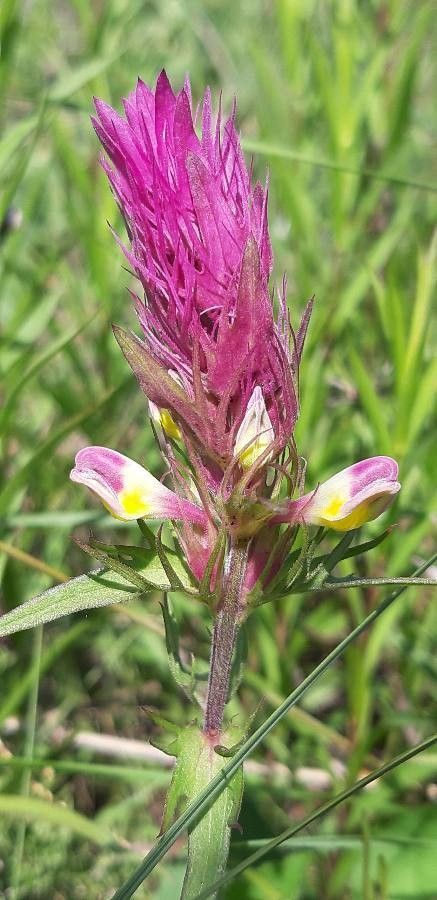
Spreading the Love: How to Propagate the Beautiful Cow Wheat (Melampyrum arvense)
The Cow Wheat, or Melampyrum arvense, is a captivating wildflower known for its charming, bell-shaped blossoms that brighten up meadows and woodland edges. But did you know you can easily share this beauty with others by propagating it yourself?
While Cow Wheat isn’t the easiest plant to cultivate in a garden setting, it’s definitely possible with a little knowledge and patience. Here’s a guide to help you understand the ins and outs of propagating this enchanting wildflower:
Understanding Cow Wheat’s Unique Nature
Before we dive into the methods, it’s important to acknowledge that Cow Wheat is a hemiparasitic plant. This means that while it can photosynthesize and create its own food, it also relies on other plants for sustenance. Specifically, Cow Wheat taps into the roots of nearby grasses and other herbaceous plants for water and nutrients.
This parasitic relationship is crucial for its survival and also means that it can be tricky to cultivate in a garden where the necessary host plants may be absent.
Methods of Propagation:
- Seed Propagation: The most common and successful method for propagating Cow Wheat is through seeds. Collect ripe seed pods (brown and dry) from mature plants in late summer or early fall. You can then sow the seeds directly into a suitable location with good drainage but some moisture retention. The best time for sowing is in the autumn, as the seeds require a cold stratification period to germinate. This simulates the winter conditions they experience in their natural habitat.
Important Tips:
- Host Plants: Choose a location where Cow Wheat can readily access its host plants. Areas with plenty of grasses like ryegrass or meadow grasses are ideal.
- Full Sun to Partial Shade: Ensure the chosen location receives full sun to partial shade. Cow Wheat thrives in open areas with filtered sunlight.
- Well-Drained Soil: Cow Wheat prefers well-drained soil that is slightly acidic to neutral. Too much moisture can lead to root rot.
- Patience: Cow Wheat seeds can take time to germinate. Be patient and don’t give up too quickly.
Alternative Methods:
While seed propagation is the recommended method, you can also try:
- Division: If you have an established Cow Wheat plant, you can carefully divide it in the spring or fall. This allows you to create new plants by gently separating clumps of roots.
- Transplanting: If you encounter Cow Wheat growing in a wild setting, you can attempt to transplant it to your garden. However, remember that its success will depend on the presence of suitable host plants.
Things to Keep in Mind:
- Native Habitats: While you can cultivate Cow Wheat, it’s essential to understand its native habitat and ensure you’re not disrupting wild populations by harvesting seeds or transplanting plants.
- Limited Growth: Cow Wheat doesn’t grow in aggressive clumps like many other wildflowers. Its delicate nature means it may not spread as rapidly as you might expect.
Enjoy the Beauty:
Propagating Cow Wheat can be a rewarding experience, allowing you to share the unique beauty of this fascinating wildflower with your garden or with friends and family. Remember to choose a suitable location, provide appropriate care, and patience, and you’ll be rewarded with a splash of color and vibrancy in your garden.