
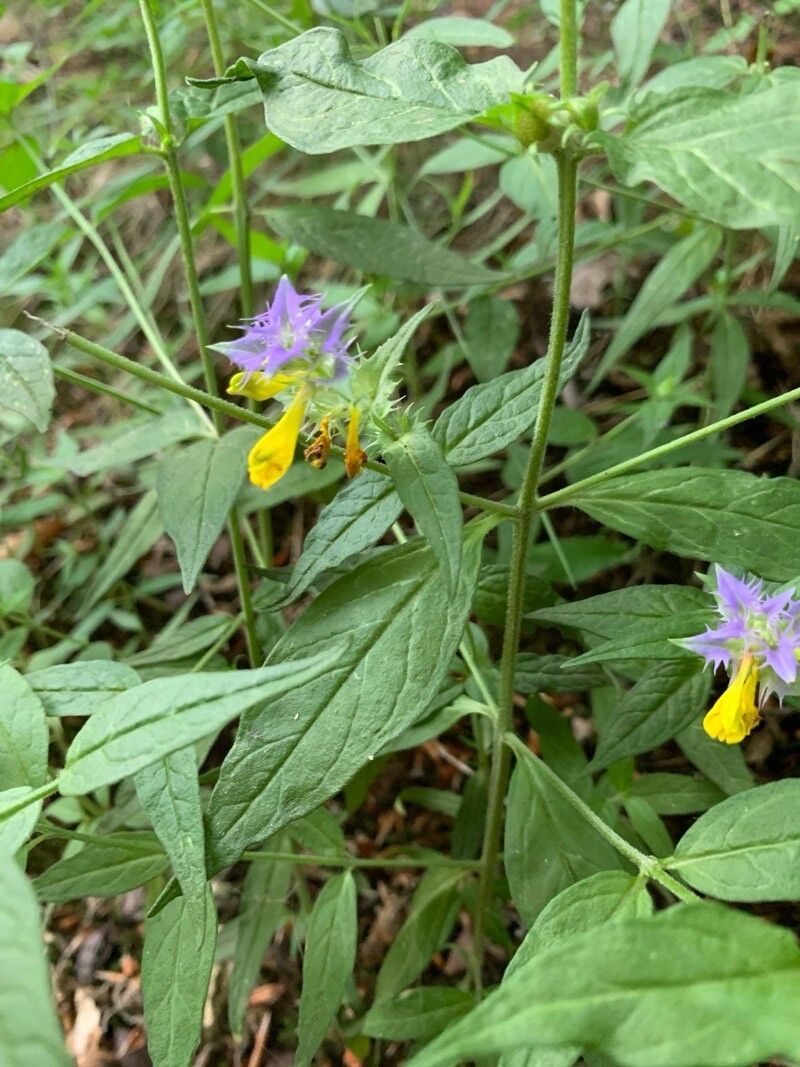
Unlocking the Secrets of the “Cow-wheat”: Propagating Melampyrum nemorosum
The Melampyrum nemorosum, also known charmingly as the “Cow-wheat” or “Woodland Cow-wheat”, is a sight to behold. This annual wildflower, with its striking two-toned blooms of bright yellow peeking out from vibrant purple bracts, graces forests and meadows across Europe. While not as widely cultivated as other wildflowers, its unique beauty and fascinating lifecycle make it an intriguing challenge for the adventurous gardener.
So, how can you invite this captivating wildflower into your own green space? Let’s delve into the secrets of propagating Melampyrum nemorosum.
Understanding the Cow-wheat:
Before we delve into propagation, it’s important to understand the plant’s unique nature. Melampyrum nemorosum is a hemiparasitic annual. This means that while it can photosynthesize, it also relies on borrowing nutrients from the roots of nearby plants, particularly grasses, to thrive. This unique characteristic adds a layer of complexity to its cultivation.
Propagation Methods:
Seeds: The primary method of propagation for Melampyrum nemorosum is through seeds. Here’s the breakdown:
- Collection: Seeds are housed within small capsules that form after flowering. Collect these capsules when they turn brown and brittle, typically in late summer or early fall.
- Storage: Store seeds in a cool, dry place until ready for sowing.
- Sowing: Sow seeds directly outdoors in either fall or early spring.
- Fall Sowing: Mimicks natural conditions; seeds benefit from the winter chill (cold stratification) for better germination come spring.
- Spring Sowing: Requires a period of cold stratification. Place seeds in moist sand or vermiculite, store in a sealed container in the refrigerator for 4-6 weeks, then sow outdoors.
- Location: Select a spot with well-drained soil and partial shade that replicates its natural woodland habitat. Remember, proximity to suitable host plants like grasses is crucial for their success.
- Division (Less Common): While less common and less reliable than seed propagation, division can be attempted in early spring. Carefully separate a section of the plant with established roots and shoot growth and replant immediately. However, due to the plant’s delicate root system and parasitic nature, success rates with division are often low.
Challenges and Tips:
- Hemiparasitic Nature: The most significant challenge is replicating the plant’s natural symbiotic relationship. Ensure you have suitable host plants like grasses nearby for the Melampyrum nemorosum to draw sustenance from.
- Patience is Key: Germination can be erratic and slow. Don’t be disheartened if you don’t see results immediately.
- Mimic Nature: Create conditions as close to its natural habitat as possible— well-drained soil, partial shade, and nearby host plants.
The Rewards:
Propagating Melampyrum nemorosum might require patience and careful planning, but the reward of seeing these vibrant wildflowers gracing your garden makes it an endeavor worth undertaking. Your efforts will not only beautify your green space but also contribute to preserving this unique and fascinating species.